Newsletter Subscribe
Enter your email address below and subscribe to our newsletter
[forminator_form id="25163"]

All voices matter
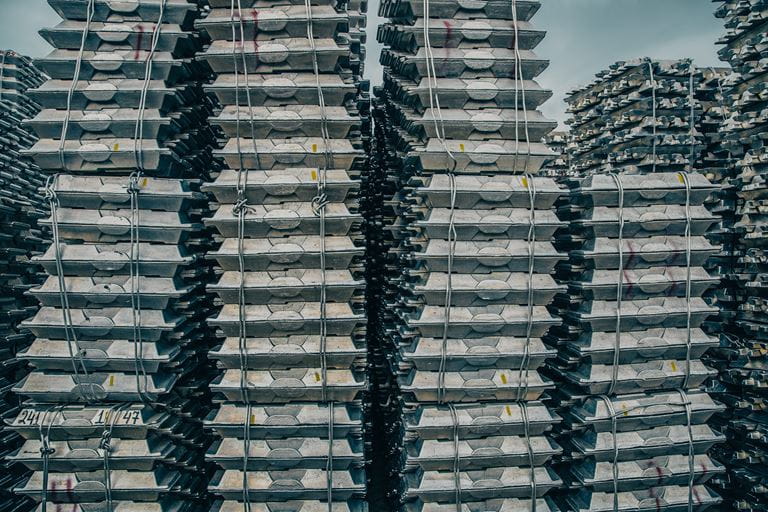
reuterswoodmacdevdiscourseLondon Metal Exchange aluminium stocks have fallen to their lowest level since 1990, halving since the start of 2026 to just 250,000 tonnes, as supply-chain disruptions from the Iran conflict continue to tighten the global market for the lightweight metal.
Reuters reported on Wednesday that the drawdown in LME registered stocks attests to the "supply-chain dislocation caused by the Iran war," with Gulf production declining sharply since the U.S.-Israeli military campaign began in early March. The conflict has potentially removed between 3 million and 3.5 million tonnes of global aluminium output in 2026, according to Wood Mackenzie, from a market that produced just under 74 million tonnes in 2025.alcircle+2
Despite the historic scarcity, prices have remained relatively contained. Market participants appear optimistic about eventual supply recovery, buoyed by reports of progress at the Al Taweelah smelter in the UAE and increased shipments from Indonesia and China. However, the near-term backwardation — the premium for prompt aluminium over three-month contracts — hit a 19-year high earlier this year as available metal became scarce.devdiscourse+1
LME daily position reports show that one participant held 80 to 90 percent of all warranted aluminium stocks as of this week, with the stockpile largely composed of Russian-origin metal. Indian stocks within the LME system have also declined drastically, further concentrating supply in fewer hands. The dynamics are set to challenge the exchange's trading rules as inventory pressures mount.mezha+1
The aluminium squeeze is part of a wider pattern of supply-chain vulnerability exposed by the Middle East conflict. The International Energy Agency's Global Critical Minerals Outlook 2026, published in July, highlighted the region's role in supplying roughly one-quarter of the world's sulfur and hosting trade routes carrying half of global seaborne sulfur shipments. Disruptions extend across industries from fertilizers and semiconductors to aerospace and defense.arabnews+1
The IEA's largest-ever oil stock release by member countries in March helped mitigate some market disruptions, but critical minerals have proven harder to substitute quickly. As one analyst at Kpler noted in July, the "war premium" in aluminium has driven prices to multi-year highs and forced far-reaching supply chain shifts away from the Gulf.slideshare+1