Newsletter Subscribe
Enter your email address below and subscribe to our newsletter
[forminator_form id="25163"]

All voices matter
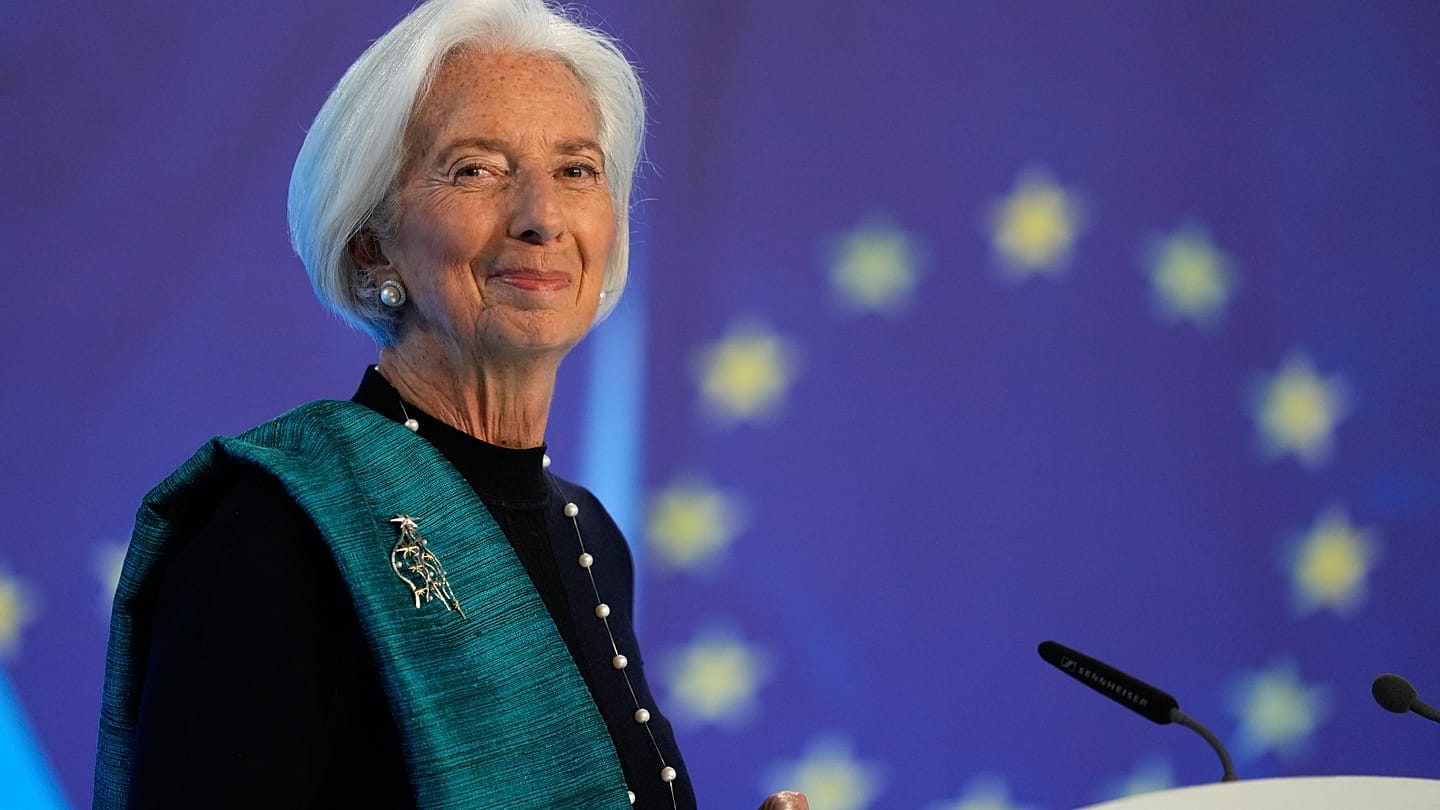
ecb.europa+1ecb.europaecb.europaEuropean Central Bank President Christine Lagarde warned on Wednesday that Europe cannot afford to repeat its failure to capitalize on the first digital revolution, urging the continent to remove barriers that prevent artificial intelligence from spreading across its economy.
Speaking at the International Business Council of the World Economic Forum in Geneva, Lagarde said Europe "largely missed out on the first digital revolution, as the commercial gains from the spread of information and communication technologies were captured disproportionately elsewhere," adding, "We cannot afford to repeat that experience with artificial intelligence, the second digital revolution."ecb.europa
Lagarde identified two critical obstacles holding Europe back: fragmentation in the Single Market and fragmentation in capital markets. She cited recent research showing that while competitive pressure from domestic rivals investing in AI spurs firms to increase their own AI spending, "those competitive effects still largely stop at national borders."ecb.europa
Survey evidence suggests euro area firms expect to allocate an average of around 9% of their total investment to AI this year, according to data from the ECB's December 2025 Survey on the Access to Finance of Enterprises.bloomberg+1
On capital markets, Lagarde noted that EU scale-ups raise roughly 50% less than their San Francisco-based counterparts by their tenth year of operations, and that about 12% of EU scale-ups have relocated outside the bloc, most notably to the United States.ecb.europa
The remarks came within a broader assessment of Europe's weakening post-war growth model. Lagarde argued that the continent's three traditional pillars — expanding global trade, strength in mid-tech manufacturing supported by cheap energy, and a stable rules-based global order — are all under pressure. She noted that more than 2,500 trade restrictions were implemented globally last year, that EU electricity prices for energy-intensive industries were more than twice U.S. levels, and that China now competes directly with the euro area in close to 40% of sectors where Europe holds a comparative advantage.ecb.europa
Despite these headwinds, Lagarde pointed to domestic demand as a source of resilience, noting the euro area grew 0.4% quarter-on-quarter in the second quarter of 2026. She backed proposals including "EU Inc." — an optional EU-wide corporate legal form — and urged completion of the capital markets integration package by year-end to help innovative firms "start European and scale European."ecb.europa
The speech landed on a difficult day for European equities, with the Stoxx Europe 600 hovering near two-week lows after its worst session in nearly a month, as surging bond yields and elevated oil prices weighed on sentiment.investing