Newsletter Subscribe
Enter your email address below and subscribe to our newsletter
[forminator_form id="25163"]

All voices matter
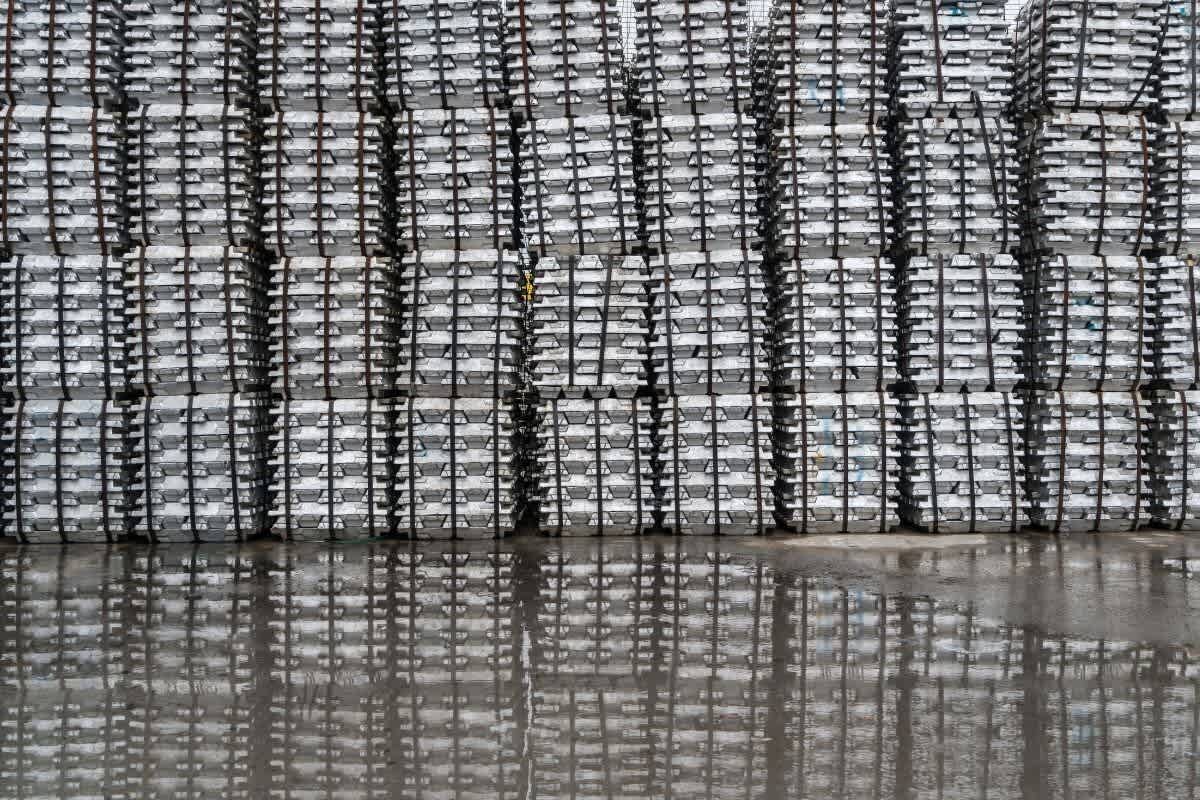
youtube+1semafor+1federalregister+1China has emerged as a critical aluminium supplier for Western markets struggling with severe production disruptions in the Gulf region, where the Iran conflict has knocked out a substantial share of global output. But the shift comes with a catch: analysts warn it is accelerating the migration of fabricating activity from Western economies to China, raising longer-term concerns for the industrial base of importing nations.
The Iran war, which began in early March 2026, has dealt a heavy blow to Gulf aluminium production. Iranian attacks in late March damaged two of the region's largest smelters — Emirates Global Aluminium in Abu Dhabi and Aluminium Bahrain (Alba) — taking substantial capacity offline. According to Semafor, the Gulf's roughly 3.5 million tonnes of annual output is now at risk, with EGA's Al Taweelah facility alone representing 1.6 million tonnes of lost production that could take a year to repair. Gulf primary aluminium output fell 35% year-on-year in April, to its weakest level in more than a decade, according to International Aluminium Institute data reported by Mining.com.mining+2
Macquarie Group estimated the disruption would reduce running capacity by about 20%, creating a production loss of roughly 800,000 to 900,000 kilotons and pushing the global market into a full-year deficit, according to CNBC.cnbc
China, the world's largest aluminium producer, has moved to fill the void. In the first half of 2026, Chinese exports of aluminium materials and products totaled 5.6 million tons, a 14% increase from a year earlier, according to customs data. May exports alone climbed 5.68% month-on-month to 632,000 metric tons, extending a run of gains since the conflict began.youtube+1
Much of the outbound volume has come in the form of alloy and semi-manufactured products such as bar, rod, and tube — a pattern that avoids higher taxes on primary metal exports, Reuters reported on Tuesday. Alloy exports nearly doubled in the first half of 2026 to 238,500 tons, with China turning into a net exporter of alloy for the first time.reuters
The export pattern has drawn scrutiny from Western policymakers. The U.S. Commerce Department published final results of an antidumping duty review on Chinese aluminium extrusions on August 16, citing potential duty evasion. The European Commission's antidumping measures on Chinese aluminium flat-rolled products are set to expire in October 2026, and European producers face a deadline to request a sunset review.aluminum.yieh+1
Analysts caution that as Western buyers grow dependent on Chinese semi-finished products, fabricating activity is effectively being relocated from consuming markets to China — a structural shift that could prove difficult to reverse once Gulf production eventually recovers. With Chinese domestic demand flat amid weakness in the property and automotive sectors, record-high production is being channeled outward, reshaping global aluminium trade flows for the foreseeable future.linkedin+2