


Newsletter Subscribe
Enter your email address below and subscribe to our newsletter
[forminator_form id="25163"]

All voices matter
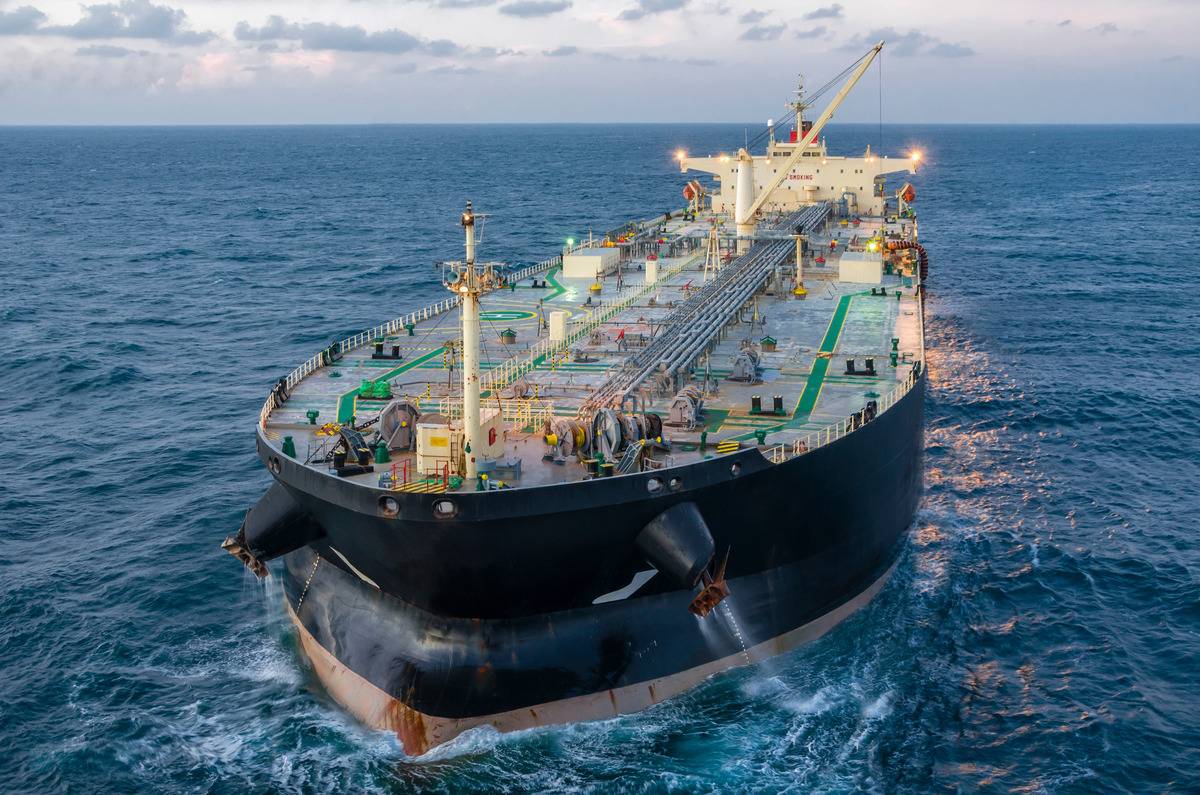
reuters+1reuters+1arabnewsTwo more Japanese-owned supertankers carrying Saudi Arabian crude were heading toward the Strait of Hormuz on Tuesday, adding to a fleet of vessels that departed the Gulf a day earlier in what amounts to the largest single-week evacuation of Japan-linked oil since the U.S.-Iran conflict began in late February.
The vessels, owned and managed by Nippon Yusen KK and Kawasaki Kisen Kaisha, are each carrying around two million barrels of Saudi crude loaded in early March, according to shipping data from LSEG and Kpler reported by Arab News. They join six Japan-linked supertankers that exited the strait on Monday carrying a combined 12 million barrels of crude from Saudi Arabia, the United Arab Emirates, and Qatar. The departures bring the total volume of oil aboard Japan-linked vessels leaving the Gulf this week to roughly 16 million barrels.arabnews+2
The tankers had been anchored in the Persian Gulf since the outbreak of hostilities on February 28, when the U.S. and Israel launched strikes on Iran, prompting Tehran to impose a selective blockade of the Strait of Hormuz. Most of the vessels in Monday's convoy are managed by Mitsui O.S.K. Lines, which had said it would prioritize the safety of its seafarers, cargo, and vessels when traversing the strait.reuters
Separately, South Korean refiner S-Oil said Monday that the VLCC Long Wind, carrying two million barrels of Saudi crude for its Onsan refinery, had exited the strait over the weekend.reuters
Despite the departures, commercial traffic through the strait remains well below pre-war levels. S&P Global data showed 43 vessels crossed the strait on July 2, down from 53 the prior day, with Iran-linked ships accounting for nearly 60 percent of crossings. Before the conflict, roughly 135 vessels transited the strait daily.Newsmax+1
The latest movements came as Iran's Revolutionary Guards fired at least two missiles at commercial ships transiting the strait on Monday night, Axios reported, citing U.S. officials. Two vessels suffered damage but no casualties were reported.arabnews
The security environment remains volatile. Iran's Persian Gulf Strait Authority continues to insist that ships transit only through routes it has approved, while the U.S. military has been guiding vessels through an alternate channel near Oman's coast. War-risk insurance premiums remain elevated, and the strait's central shipping lanes are still partially mined.fortune+1


