Newsletter Subscribe
Enter your email address below and subscribe to our newsletter
[forminator_form id="25163"]

All voices matter
bloomberg.com.dw.com.english.mofe.go.kr+1.Asia's chip-heavy stock markets fell sharply on Friday, November 6. A selloff in artificial intelligence shares that began on Wall Street spread across the region, pushing Japan's Nikkei 225 into a bear market and forcing a trading halt in Seoul. The trigger was Thursday's slide in U.S. tech stocks. The Nasdaq Composite lost 5.52% and the S&P 500 fell 4.4% after Democrats won both houses of Congress, raising fears that lawmakers could slow the build-out of AI data centers, DW reported. The Nasdaq 100 entered a correction during that session, according to Business Insider.businessinsider.com+1
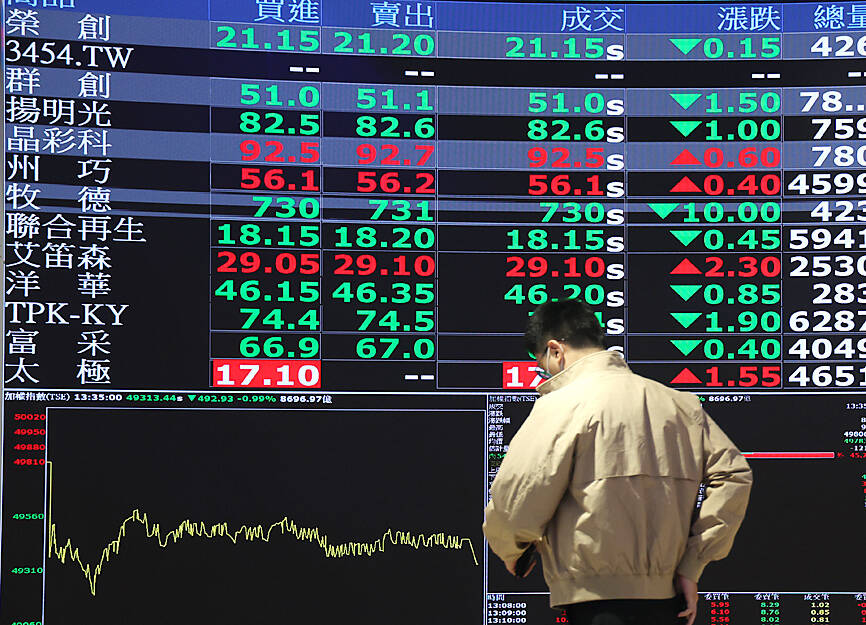
South Korea's Kospi fell as much as 8.8% and briefly dropped below 5,000, setting off a 20-minute circuit breaker, Bloomberg reported. It recovered some ground and closed 6.0% lower, a 12% loss for the week, according to Dow Jones. The Nikkei also fell 6.0%, its worst day since April 2025. That left it more than 20% below its June peak. Taiwan's Taiex fell close to 9% at one point and closed down about 4.5%, CNN reported.cnn.com+2
Chipmakers took the biggest losses. In Seoul, Samsung Electronics dropped as much as 11% and SK Hynix nearly 14%. In Taipei, TSMC Taiwan Semiconductor Manufacturing Company Limited fell as much as 10%, while SoftBank Group slumped in Tokyo, according to Business Insider. "There is also clearly an element of panic in the selling," Saxo strategist Charu Chanana told Reuters.straitstimes.com+1
South Korea's finance ministry said it would suspend for three months, starting November 9, the rule that requires brokers to hold collateral worth 140% of their margin loans. The goal is to stop falling prices from forcing more selling, the ministry said. Taiwan's National Stabilization Fund held an emergency meeting on Friday afternoon and gave its executive secretary authority to deploy money to support the market, The Wall Street Journal News Corp reported. Japanese Prime Minister Sanae Takaichi said the government is watching markets closely, CNN reported.wsj.com+2
The midterm results added to existing doubts about whether heavy AI spending will pay off. Several Democratic governors-elect had campaigned on pausing data center construction, DW reported. Taiwan, South Korea and Japan are "clearly highly linked to the global AI capex cycle," J.P. Morgan strategist Tai Hui told NBC News.nbcnews.com+1
The selling spread to Europe, but U.S. futures for the Nasdaq pointed to a rebound, Business Insider reported. "This is not necessarily the end of the AI trade, but it may be the end of rewarding every company associated with AI equally," Chanana wrote.businessinsider.com