Newsletter Subscribe
Enter your email address below and subscribe to our newsletter
[forminator_form id="25163"]

All voices matter
news.bloombergtax+1aljazeera+1fortuneThe war between the United States and Iran may have ended with a tentative deal last month, but the conflict's economic aftershocks will linger far longer than the fighting itself. Bloomberg Economics warned on Saturday that the trajectory of interest rates around the world has shifted higher for years to come, with borrowing costs projected to remain elevated by as much as half a percentage point or more through 2028 compared to pre-conflict baselines.news.bloombergtax+2
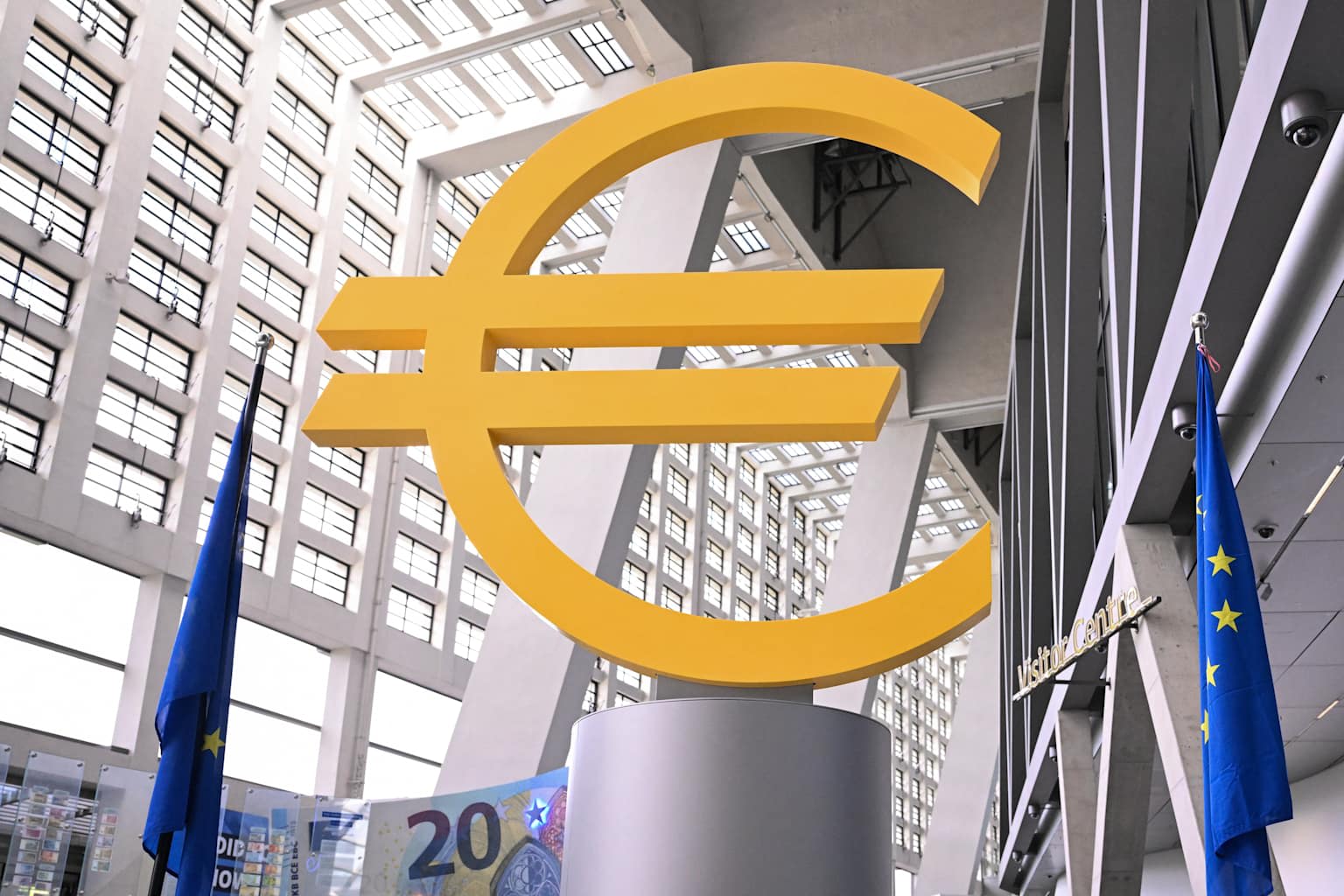
The analysis arrives as central banks across major economies grapple with the inflationary legacy of a conflict that shuttered the Strait of Hormuz for months, disrupting one-fifth of global oil and liquefied natural gas trade. Bloomberg Economics now forecasts the European Central Bank's deposit rate ending 2026 at 2.5%, with the Federal Reserve's benchmark rate path meaningfully above where it would have been absent the conflict.reuters+1
The Federal Reserve, under new Chair Kevin Warsh, held rates steady at 3.5% to 3.75% at its June meeting but signaled that hikes may be coming — nine of 18 officials projected at least one increase this year. Markets are now pricing in roughly a 50% chance of two rate hikes by year-end. The ECB raised rates for the first time since 2023 in June as eurozone inflation reaccelerated, while the Bank of England removed language about further cuts earlier in the spring.axios+3
Even with Iran's top diplomat announcing on June 28 that the Strait of Hormuz would return to pre-war capacity within 30 days, the recovery remains partial. Ship traffic through the waterway could reach only about 50% of prewar levels within the first month of the deal, according to Kpler, and mine-sweeping operations may take 40 to 50 days before insurers allow normal passage.youtube+2
The conflict's inflationary impulse has already embedded itself in price data. U.S. consumer prices rose 4.2% year-over-year by June, the hottest reading since 2023, while producer prices jumped 6.5%, the steepest since November 2022. Emerging-market central banks moved faster, with at least 10 raising rates since fighting began in late February.bloomberg+1
U.S.-Iran talks concluded in Doha on July 1 with what Reuters described as "positive progress" but no breakthrough on a lasting peace, leaving questions about whether the ceasefire will hold. Goldman Sachs has said it does not expect the Fed to lower rates until mid-to-late 2027, while Capital Economics anticipates a hike in December 2026 and another in early 2027.aljazeera+1
The IMF warned in April that "growth will be slower — even if the new peace holds," with the conflict having pushed oil above $100 per barrel and U.S. gasoline past $4 per gallon at its peak.nytimes