Newsletter Subscribe
Enter your email address below and subscribe to our newsletter
[forminator_form id="25163"]

All voices matter
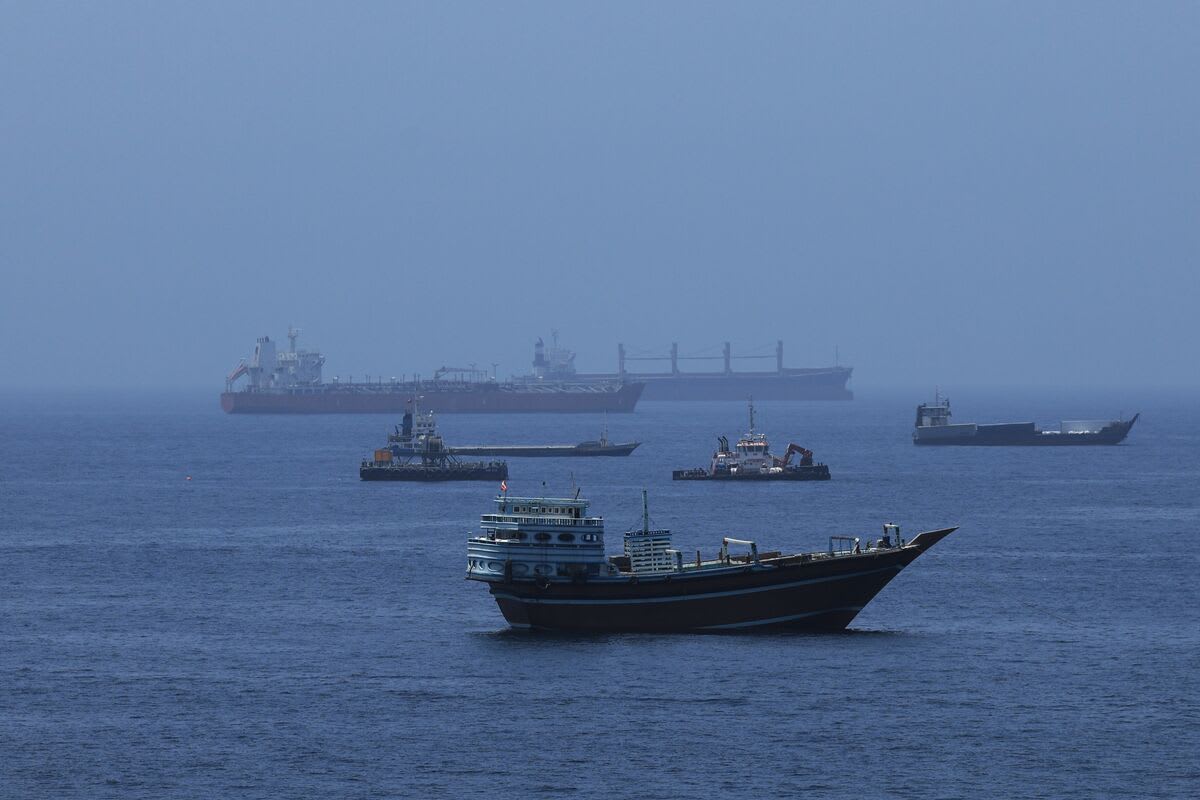
bloomberg+1axiosreuters+1Iran and Oman have agreed on the geographic coordinates for a shipping route through the Strait of Hormuz, with a joint statement now in its final drafting stage, Iran's Foreign Ministry announced Wednesday — a potential step toward reopening the critical waterway that has been largely shut since the U.S.-Iran war began in February.
Foreign Ministry spokesperson Esmaeil Baghaei said the two countries had reached agreement on the proposed route's coordinates and that a joint statement "containing the main considerations and points of agreement, is in its final stages of review and drafting," provided "no external party obstructs this process," according to Iran's state news agency IRNA.bloomberg+1
The proposed arrangement, according to Axios citing two regional sources and a U.S. official, would establish a 60-day interim framework. Inbound vessels entering the Persian Gulf would use a northern lane through Iranian waters, while outbound ships would transit a southern lane through Omani waters in coordination with Iran. No tolls or fees would be charged during the initial period, and parties would work to clear naval mines from the strait's central corridor within 30 days.axios
The Jerusalem Post, citing two diplomatic sources, reported that transiting vessels would be required to coordinate with Iran even when exiting from the Omani side. The Associated Press, quoting two regional officials, confirmed that service fees for security and environmental protection would eventually be charged, though the details remain under negotiation.jpost+1
President Trump told Fox News on Tuesday night that negotiations were going well: "They had an all-day negotiation today, and it looks like things are very good." He added that the strait would be "open very soon, or they're going to get hit really hard." Treasury Secretary Scott Bessent told CNBC that "there is a chance we may have a deal today or tomorrow."reuters+1
Secretary of State Marco Rubio was more cautious, confirming "progress made in those talks, but not finality yet." Rubio has previously said any deal giving Iran control over the strait would set a "very dangerous precedent."apnews+1
Iran, however, pushed back on U.S. involvement. Iranian state broadcaster IRIB reported Wednesday that even a finalized Iran-Oman agreement would not result in the strait's immediate reopening. "The reopening of the Strait of Hormuz depends on a change in U.S. behavior and the correction of its violations," an informed source told the broadcaster. Tehran insists it is negotiating solely with Oman, not Washington.turkiyetoday+1
Daily vessel traffic through the strait has fallen from roughly 130 ships before the war to fewer than 10, according to Kurdistan24. Brent crude prices fell sharply on Tuesday on deal hopes before stabilizing Wednesday. Saudi Aramco CEO Amin Nasser said Tuesday that even if the strait reopened immediately, restoring depleted global oil inventories could take 18 months.kurdistan24+2
The deal's prospects remain uncertain. Axios reported that Iran's foreign minister agreed in principle over the weekend but still needed approval from Supreme Leader Mojtaba Khamenei and the Supreme National Security Council. A senior Gulf official told CNN the chances of reaching an agreement by Friday were "about fifty-fifty," noting that Iran's delegation lacks representation from the hardline Revolutionary Guard Corps.cnn+1