Newsletter Subscribe
Enter your email address below and subscribe to our newsletter
[forminator_form id="25163"]

All voices matter
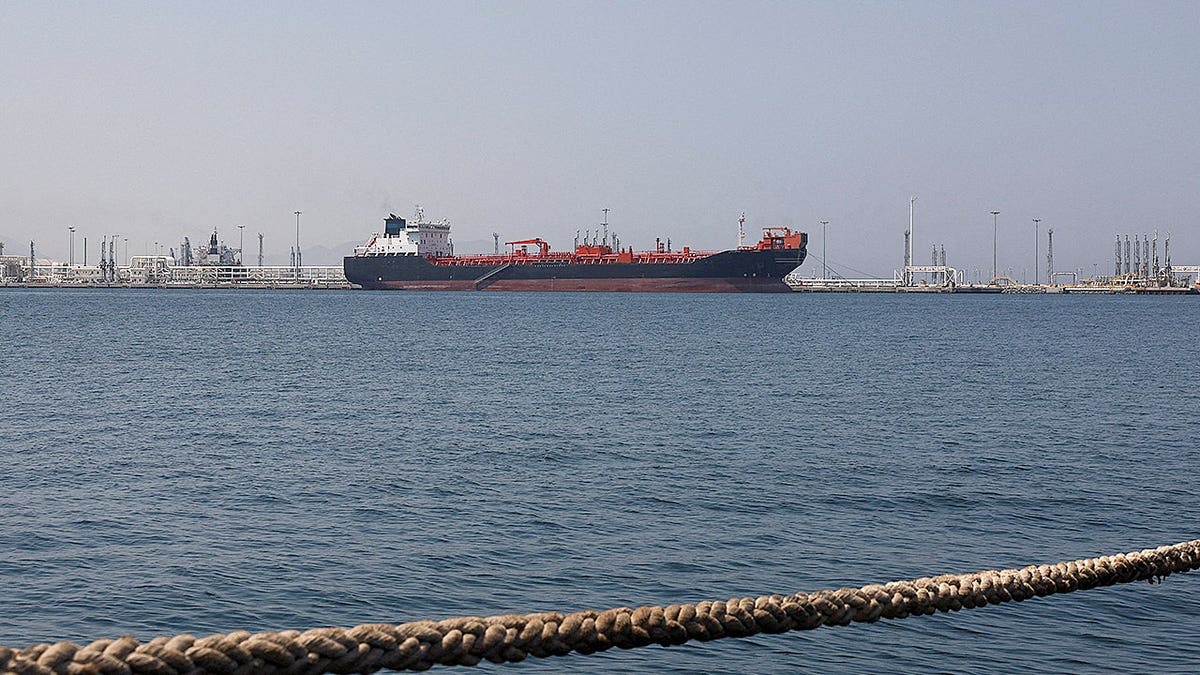
kq2.kq2.insurancejournal.Iran has stepped up attacks on tankers in and around the Strait of Hormuz. The strikes threaten a recovery in Persian Gulf oil exports that had brought flows close to prewar levels earlier this month. Shipping industry sources say there are signs the flow of cargoes may be slowing. Bloomberg reported, however, that loadings at several of the region's biggest producers showed no clear change, and one shipowner said movements through Hormuz did not appear curtailed.insurancejournal+1
CNN counted more than a dozen strikes on shipping since the end of September. On Sunday, Oct. 11, six commercial vessels were reportedly hit in and around the strait. Shipping industry experts told CNN that was the most incidents reported in a single day since the war began. UK Maritime Trade Operations said four tankers were hit by unknown projectiles in separate incidents that day, about double the agency's daily average from the previous week.kq2+1
A drone struck the tanker MT Petro Dolphin, and two of its 11 Indian crew members are missing. Indian Shipping Minister Sarbananda Sonowal confirmed that a search-and-rescue effort is under way. On Oct. 10, the UAE National Guard rescued 22 Indian sailors after a tanker caught fire off Ras al Khaimah. The navy of Iran's Islamic Revolutionary Guard Corps (IRGC) said a supertanker exploded after hitting a mine while leaving the strait through a route Tehran had not authorized.nationalsecurityjournal+1
IRGC head Ahmed Vahidi wrote on X: "The Strait of Hormuz is Iran's strategic red line". The Week reported that the IRGC claims to hit five to six ships a night, many of them outbound tankers sailing with their transponders switched off.kq2+1
Analysts say Iran is trying to regain leverage after the U.S. naval blockade cut its own crude loadings to zero in September. Gulf producers had worked around Iran's grip using shuttle tankers. These carry crude through a southern corridor near Oman and transfer it, ship to ship, onto supertankers in the Gulf of Oman. Iranian strikes have since reached anchorages off Oman, including Sohar.theweek+1
Kpler data showed flows through the strait averaged about 13.1 million barrels a day at the end of September. That was just under 80% of the prewar level of 17.1 million. According to Bloomberg tracking data, more than a dozen supertankers have since turned around or reversed course near Fujairah. Vortexa data cited by Argus showed refined product flows of 1.33 million barrels a day from Oct. 1 to Oct. 12, down from about 2 million in September.kq2+2
Brent crude rose above $106 a barrel on Monday before easing on Tuesday. President Donald Trump said he would not strike Iran before the Nov. 3 midterm elections. Diplomacy has stalled: on Sunday, Iran's security chief said the latest U.S. response did not meet Tehran's seven conditions for reopening the waterway.insurancejournal+2
Iran's chief negotiator, Mohammed Bagher Ghalibaf, said in late September: "In a region where we cannot sell oil, no one else will be able to sell oil either".kq2