Newsletter Subscribe
Enter your email address below and subscribe to our newsletter
[forminator_form id="25163"]

All voices matter
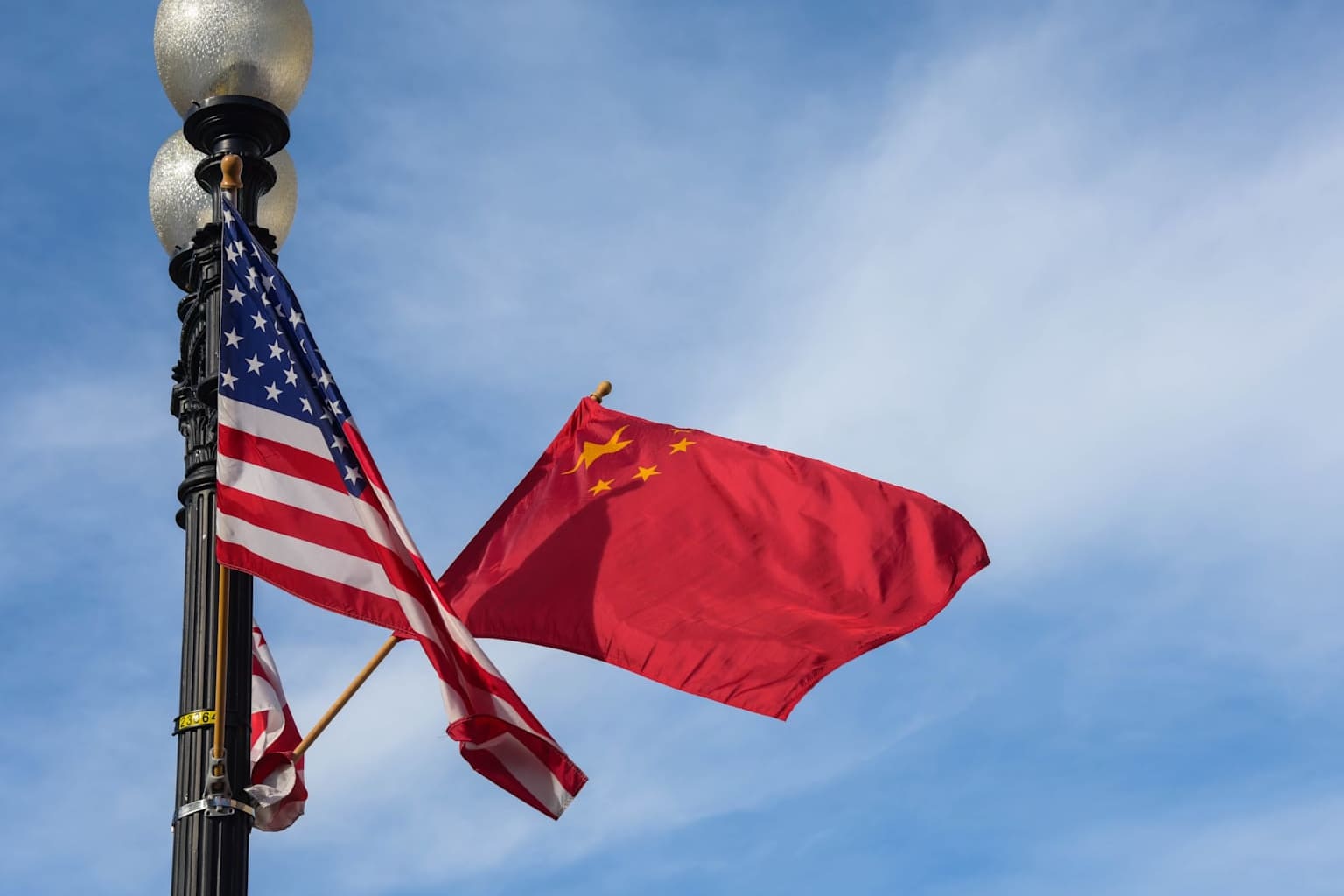
ommcomnews.ommcomnews.ommcomnews+1.Tariffs between the United States and China sharply reduced trade between the two countries. Exporters on both sides made up for much of the loss by selling to other markets, mainly in Asia, the International Monetary Fund said in its October 2026 World Economic Outlook, released on Tuesday.ommcomnews
The IMF found that Chinese exports to the United States fell 22% between February 2025 and January 2026. US exports to China fell 25% over the same period. The drop in two-way trade cut China's total export growth by 3.3 percentage points and US export growth by 1.7 points. Higher sales to other countries kept both nations' total exports within about one percentage point of where they were heading before the tariffs.ommcomnews
By January 2026, Chinese exports to countries other than the United States were 4.7 percentage points above their pre-tariff trend. US exports to places other than China were 2.6 points above trend.ommcomnews
For Chinese goods hit by US tariffs, shipments to other destinations rose within a year by an amount equal to 52% of the trade at risk. The IMF credited 39% to the tariffs themselves once it removed growth that would likely have happened anyway. For US goods hit by Chinese retaliation, the figures were 17% and about 7%. The IMF said part of the gap comes from how much China relied on US buyers: the United States took about 15% of Chinese exports before the tariff increases, while China took 7% of American exports.ommcomnews
Asian economies, both emerging and advanced, took in about half of the redirected trade. The European Union took nearly one-fifth. Electrical machinery made up much of the extra trade going to Asia, while vehicles were a large share of redirected exports to the Middle East and Central Asia. The IMF had already noted this shift in April, when it reported that US imports from China dropped while imports from Taiwan, Vietnam and Mexico rose, and that China's goods trade surplus hit a record $$1.2$$ trillion dollars in 2025.imf+1
The IMF said companies showed "considerable flexibility" in changing their production and distribution networks. It warned, however, that finding new buyers does not remove the long-run costs of protectionism. Lasting barriers could raise operating costs, force companies to build duplicate factories and make supply chains less efficient. The Fund expects growth in world trade volume to slow from 5% in 2025 to 4.6% in 2026, then rise slightly to 4.7% in 2027.ommcomnews
The trade findings were released alongside a slightly better global outlook. The IMF raised its 2026 global growth forecast to 3.1%, up from 3% in July. Investment in artificial intelligence helped offset higher energy costs caused by the Middle East war. The report came out at the IMF's Annual Meetings in Bangkok. The trade truce between Washington and Beijing, which lowered bilateral tariffs, runs until November 2026, according to the IMF's January update.cnbc+2