Newsletter Subscribe
Enter your email address below and subscribe to our newsletter
[forminator_form id="25163"]

All voices matter
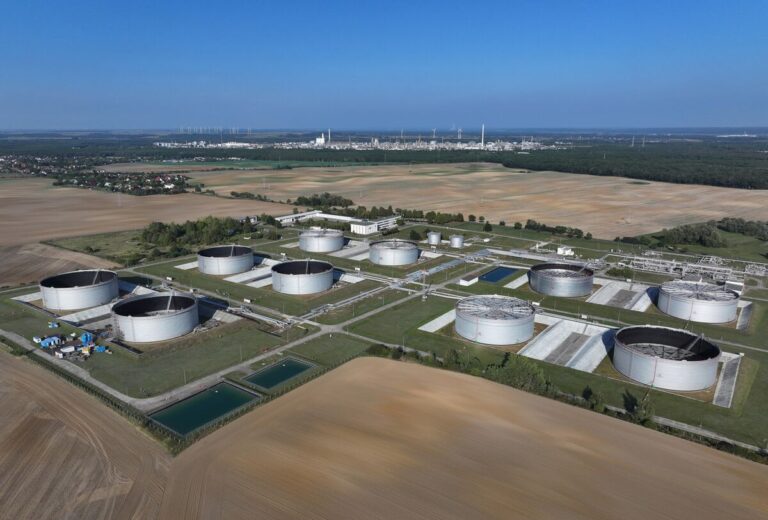
energiesmediaenergiesmedia+1energypolicy.columbiaIEA member countries released just 26 million barrels of emergency oil stocks in July, less than a third of May's drawdown, even as global inventories fell by 69 million barrels to below 7.9 billion barrels — a level not seen since April 2025. The slowdown in releases, driven by improved crude availability in parts of Asia Pacific and a more restrained pace of U.S. Strategic Petroleum Reserve draws, has done little to ease a worsening crisis in refined fuel markets that the existing emergency reserve system was not built to address.
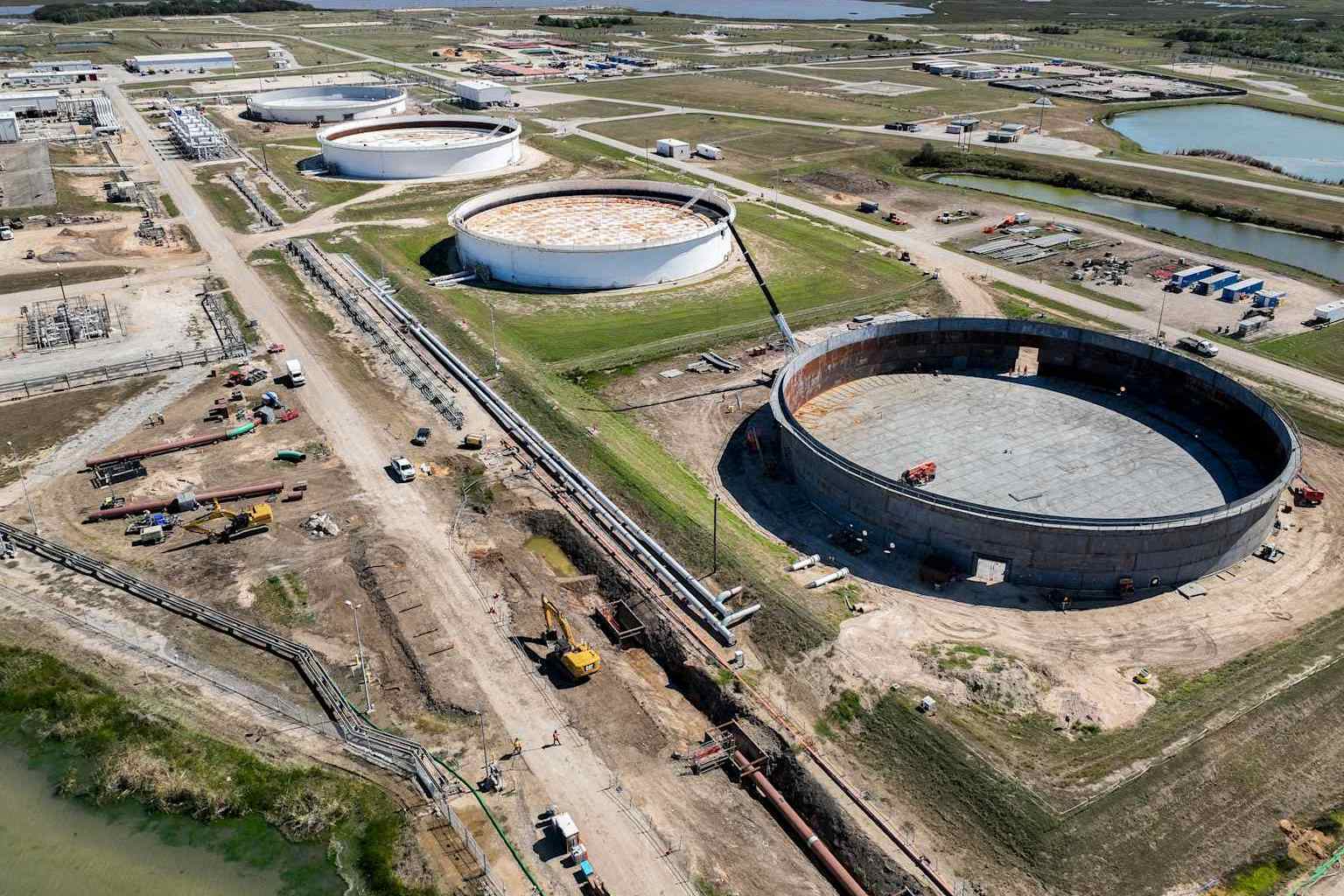
Cumulative releases since the IEA's March 11 announcement of a record 400-million-barrel coordinated action now stand at 300 million barrels, leaving more than 100 million barrels still uncommitted. Government stock draws in July averaged 750,000 barrels per day, down from 1.5 million b/d in June and 2.5 million b/d in May. The biggest pullback came from Asia Oceania, where releases fell to 4 million barrels from 44 million in May, as crude supply conditions in Japan and Korea improved. The U.S. also cut SPR withdrawals roughly in half, to 17 million barrels.energiesmedia
Yet inventories continued to erode. The IEA's August Oil Market Report warned that global stockpiles had dropped below 7.9 billion barrels, with the agency now forecasting a 1.8-million-barrel-per-day market deficit in the third quarter. More than 90 percent of July's 69-million-barrel inventory decline came from floating stocks — tankers in transit or holding cargo at sea — as renewed shipping risks through the Strait of Hormuz and the Bab el-Mandeb disrupted normal flows. As Reuters Thomson Reuters Corporation reported in June, U.S. EIA had already warned that stockpiles in the world's largest economies were headed toward their lowest levels since at least 2003.Reuters+2
The deeper problem, according to a new analysis from Columbia University's Center on Global Energy Policy, is that the emergency reserve system is structurally mismatched with the current crisis. Roughly 72 percent of the IEA's coordinated release has been crude oil, but the most acute shortage is in refined fuels — diesel, jet fuel, and gasoline. The U.S. diesel crack spread surpassed $100 per barrel in mid-August for the first time, reflecting severe downstream constraints rather than a lack of crude. Global seaborne trade in refined products was down 3.8 million b/d year-on-year in July, with diesel and jet fuel accounting for more than half the shortfall.energypolicy.columbia+1
U.S. refiners have responded by pushing utilization to 97.2 percent, but they are now near operational limits heading into hurricane season and winter. Middle Eastern refining capacity remains partly impaired, Russian diesel exports have collapsed following a ban extended through September, and China's spare capacity is constrained by export quotas. S&P Global reported that the shortage is global, leaving the U.S. government with minimal domestic policy options.coinpaper+2
More than one billion barrels of government-controlled emergency stocks still sit in IEA member country reserves, IEA Executive Director Fatih Birol noted in July. But the composition of uncommitted barrels — mostly crude — limits how much direct relief they can offer to product markets growing tighter by the week. The IEA has left the timing of remaining releases deliberately open-ended, signaling it is watching market conditions closely before deciding how to deploy what remains. As the Northern Hemisphere approaches winter, the gap between available crude buffers and the refined fuels consumers actually need has become the central vulnerability in the global energy safety net.reuters+2