Newsletter Subscribe
Enter your email address below and subscribe to our newsletter
[forminator_form id="25163"]

All voices matter
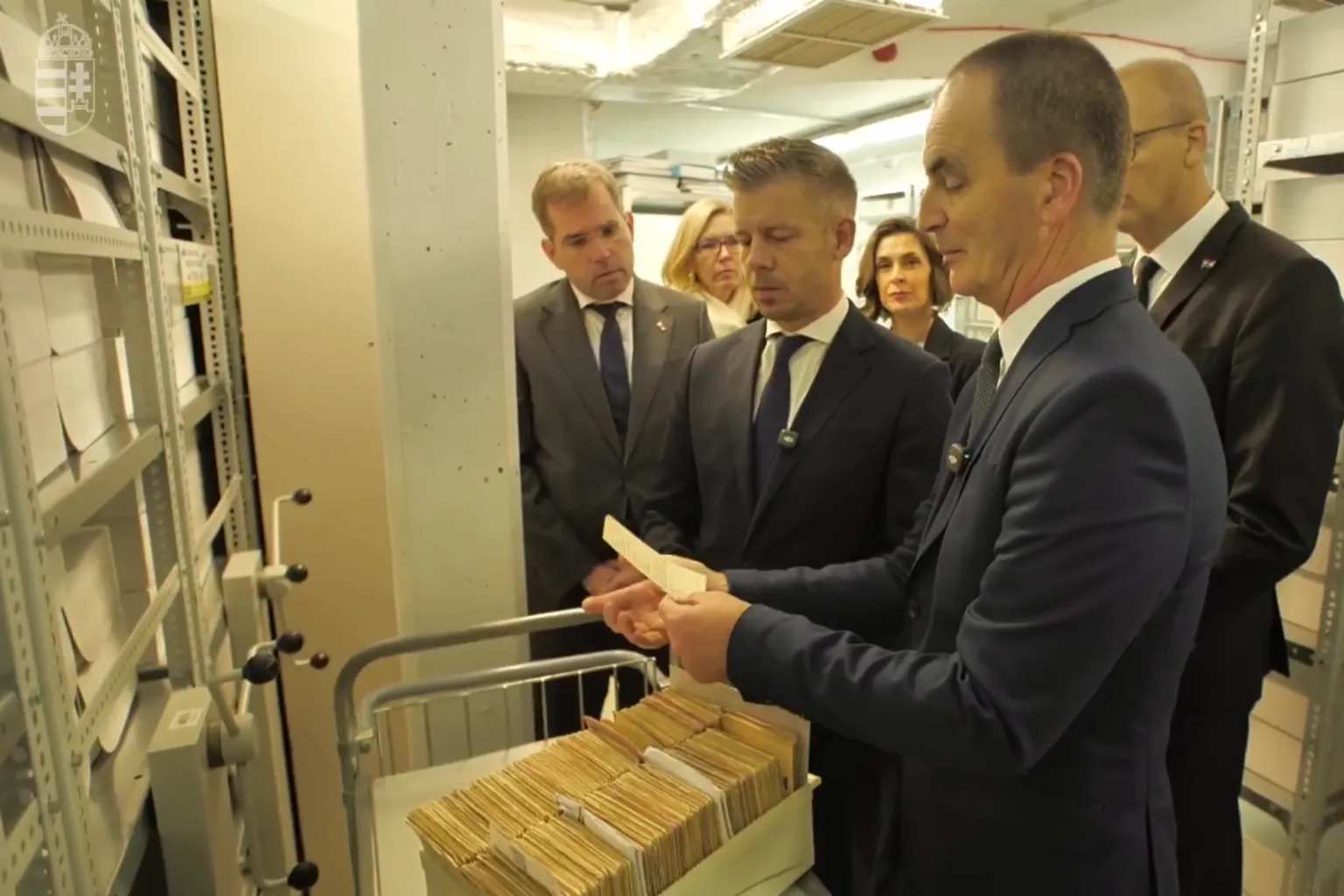
bbc.com+1.afp.com+1.reuters.com+1.Hungary released communist-era secret police records in a searchable online database on Wednesday, November 4, making about 60,000 names public more than 36 years after one-party rule ended. Prime Minister Péter Magyar said the move fulfils a long-broken promise of the country's democratic transition, Reuters reported.reuters.com
"After 36 years, we are finally fulfilling what was once one of the key promises of the 1990 regime change — a promise that was later denied and lied about," Magyar told a briefing at the state security archives, according to AFP. He asked Hungarians "to treat this long overdue publication of documents with dignity and humanity," adding that "many families will now face difficult information often related to a deceased member of their family".politico.eu+2
The records sit on the nyitottaktak.hu website. A typical entry lists an informer's real name, codename, date of birth, address, mother's name, the reason for recruitment (voluntary, blackmail or coercion) and the handling officer, the BBC reported. Until now, people outside the research community could generally see only files on themselves or close relatives. The launch fell on the 70th anniversary of the Soviet crushing of the 1956 uprising.bbc.com+1
A second batch of about 9,000 more detailed recruitment files, known as "B-dossiers," is due by February 25, 2027. Sensitive details such as sexual orientation, health and addictions will be redacted, and the government plans to set up counselling hotlines for people affected.afp.com+2
The archive's specialists estimate that the secret police used about 150,000 informers over four decades, but records survive for only around a third of them. Many files were destroyed in 1956 and again in 1988-89. The database also includes people who were only approached or targeted for recruitment, so a name in it does not by itself prove collaboration. Archive director Bendegúz Gergő Cseh cautioned that "you can't believe everything the state security agencies and their files claim". Culture Minister Zoltán Tarr's father appears in the files, though Tarr received official confirmation that his father was never an agent.dw.com+3
Magyar, who defeated Viktor Orbán in the April election, pushed through a law in September that opened the records. There had been rumours that Orbán was an informer, but his name was not in the database. On Tuesday, he said he had refused to cooperate when he was approached during his military service. Historian Krisztián Ungváry argued that citizens have a right to know what the state recorded about them. Historian and Our Homeland MEP Zsuzsanna Borvendég warned that publishing names without context could mislead the public.reuters.com+3