Newsletter Subscribe
Enter your email address below and subscribe to our newsletter
[forminator_form id="25163"]

All voices matter
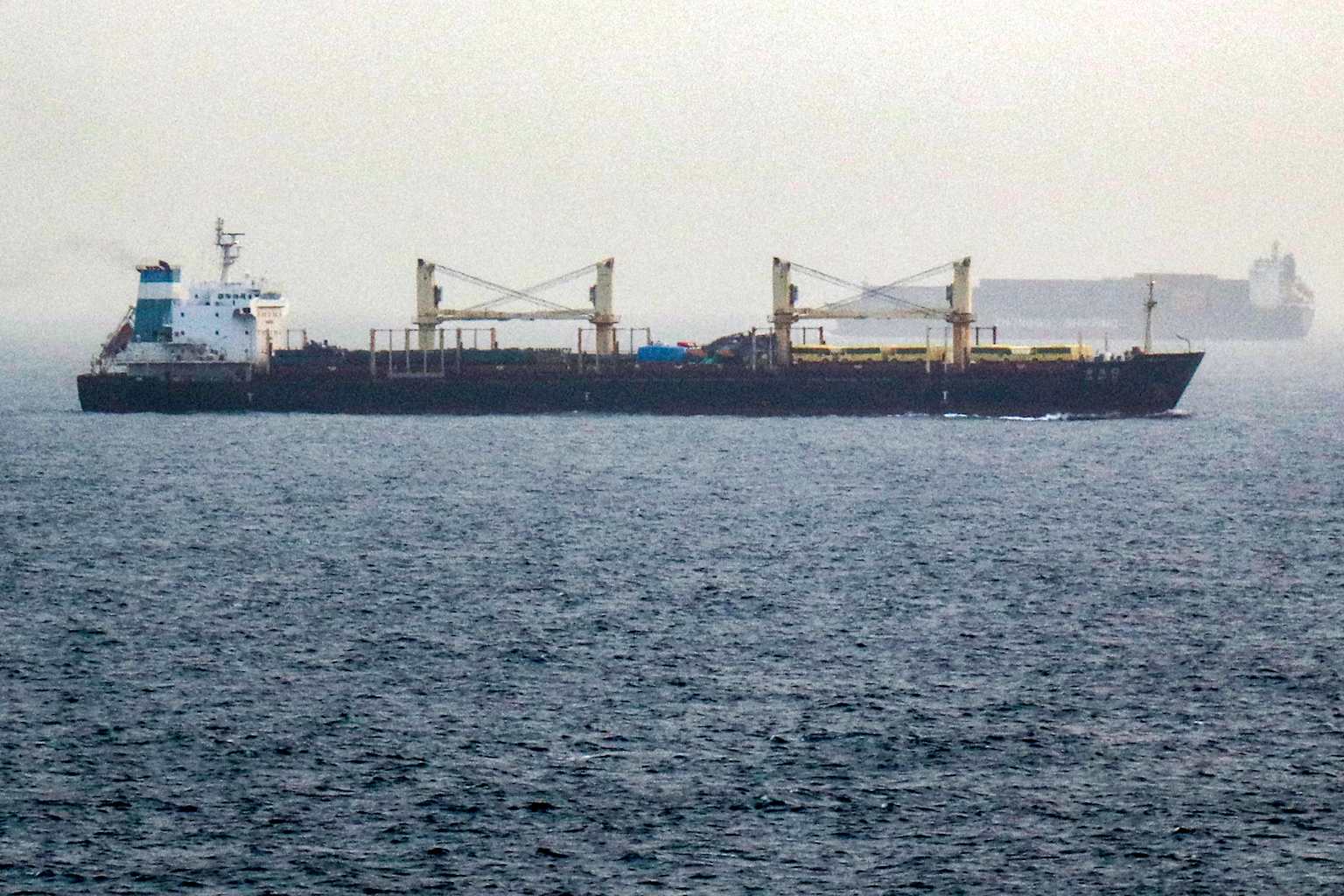
streamlinefeeddailyhunt+1profit.pakistantodayThe FTSE 100 opened sharply lower on Monday as the collapse of a fragile ceasefire agreement over transit rights through the Strait of Hormuz rattled investor confidence across European and emerging markets, threatening to reignite inflation in energy-dependent economies.
A memorandum of understanding that had briefly restored partial oil flows through the critical waterway has disintegrated over the past week, with Iran issuing new demands regarding transit rights and territorial sovereignty. Tehran said on Sunday that a deal with Oman defining new shipping lanes in the Strait was in its "final stages" but reiterated the waterway would only reopen once the United States met additional conditions.streamlinefeed+2
The standoff comes after optimism surged in early August when the Trump administration signaled a comprehensive deal was achievable within days, triggering a more than 7% weekly decline in oil prices. That relief proved short-lived. Brent crude edged higher on Monday, with U.S. West Texas Intermediate rising to around $78.80 a barrel as shipping through the strait remained at a trickle. Ship traffic through Hormuz was already down 33% late last week compared to previous days, according to trade intelligence firm Kpler.dailyhunt+1
The market reaction was uneven across regions. Europe's Stoxx 600 rose just 0.1% while the FTSE 100 slid, weighed down by energy sector uncertainty. Shell and BP had already shed 2.4% and 4.7% respectively during the brief period of deal optimism, only to face renewed volatility as talks collapsed.profit.pakistantoday+1
In India, the Sensex advanced a modest 51 points to 78,548 while the Nifty 50 rose 0.08% to 24,591, with investors cautious amid geopolitical uncertainty and its potential impact on crude oil prices. Pakistan's KSE-100 hit an intraday high of 182,347 before surrendering gains in afternoon trading, falling 0.11% as selling hit oil and gas exploration companies and banks.dailyhunt+1
Asian markets found some support from Friday's weak U.S. jobs report, which showed nonfarm payrolls unexpectedly fell by 23,000 — well below expectations of an 80,000 gain. The data pushed market expectations for a Federal Reserve rate hike at its next meeting down to about 44%, from 67% a week earlier. The S&P 500 closed at a record 7,757.64 on Friday, while Japan's Nikkei 225 rose 2.1% on Monday.profit.pakistantoday+1
The World Bank has characterized the Strait of Hormuz disruption as the largest oil market shock in history, with global oil supply having crashed by 10.1 million barrels per day at the crisis peak in March. With roughly one-fifth of the world's daily oil supply still choked off, the prospect of a swift resolution appears increasingly remote.blogs.worldbank