Newsletter Subscribe
Enter your email address below and subscribe to our newsletter
[forminator_form id="25163"]

All voices matter

bloombergtbsnewsreuters+1The United Nations Food and Agriculture Organization reported Friday that global food prices rose in July to their highest level in more than three years, as conflicts in the Gulf and Black Sea regions and adverse weather tightened supply across major growing areas.bloomberg
The FAO's Food Price Index, which tracks internationally traded food commodities, rose 0.6% in July from the previous month, led by gains in grain, sugar, and vegetable oils. The increase comes as FAO chief economist Maximo Torero warned that food prices will accelerate further by year-end and into 2027.bloomberg
"I expect that commodity prices will start to increase more now … and food prices will start increasing by the end of the year, and next year for sure they will increase more," Torero told Reuters. He noted that the transmission from commodity to final food prices typically takes three to six months.tbsnews+1
The convergence of disruptions is broad. The Strait of Hormuz conflict has raised crude oil costs that feed into pumping, packaging, processing, and transportation, while natural gas — essential for fertilizer production — has also been affected. Damage to Russia's oil and gas infrastructure from Ukraine's attacks has further curtailed diesel and natural gas exports, both key agricultural inputs.checkout+1
Global wheat and corn planting was already cut in the early months of the Iran war, and some U.S. producers have shifted to soybeans because they require less fertilizer. Australia has reported winter crop production down 21%, partly due to rising fuel and fertilizer costs. Without federal assistance, U.S. farmers growing nine principal crops could lose $32 billion in 2027, according to the American Farm Bureau Federation.tbsnews+1
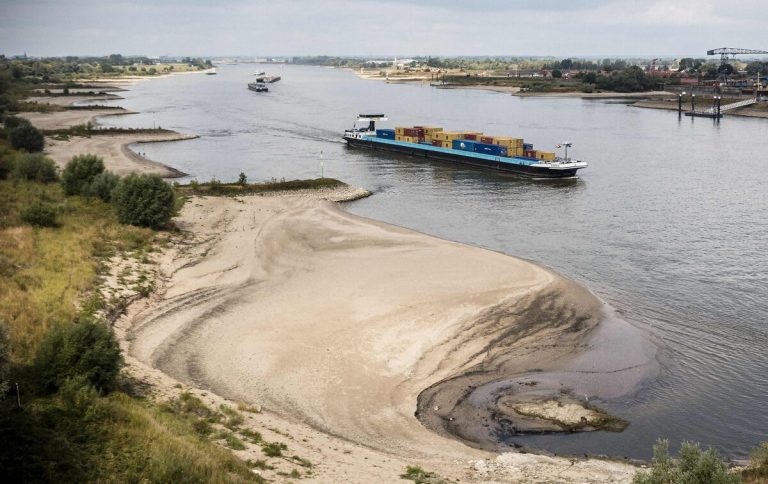
Record temperatures across Europe are compounding the pressure. Major waterways including the Rhine — which carries roughly 80% of goods moved on Germany's inland waterways — are suffering from exceptionally low water levels, disrupting cargo services and raising transport costs, according to Reuters. Heatwaves and wildfires are also hitting European agriculture directly.reuters
"We are definitely going to see food price inflation," said Invesco global market strategist Paul Jackson, citing the additional impact of El Niño.reuters
In Asia, Indian rice export prices held near a 10-month high this week as El Niño concerns tightened supply expectations. India's monsoon is already delayed, with below-average rainfall threatening rice production that could ripple through global commodity markets. Thai rice prices also climbed to a one-month peak.thehindubusinessline+1
The combination of geopolitical conflict, climate disruption, and rising input costs has left farmers worldwide facing margins that may not cover their costs. On a per-acre basis, every crop analyzed by the American Farm Bureau Federation is projected to remain below breakeven in 2027.checkout
"Tight margins are putting stress in planting decisions," Torero said. "You're hearing this in Europe, in the U.S., Brazil, and in Asia".tbsnews