Newsletter Subscribe
Enter your email address below and subscribe to our newsletter

All voices matter
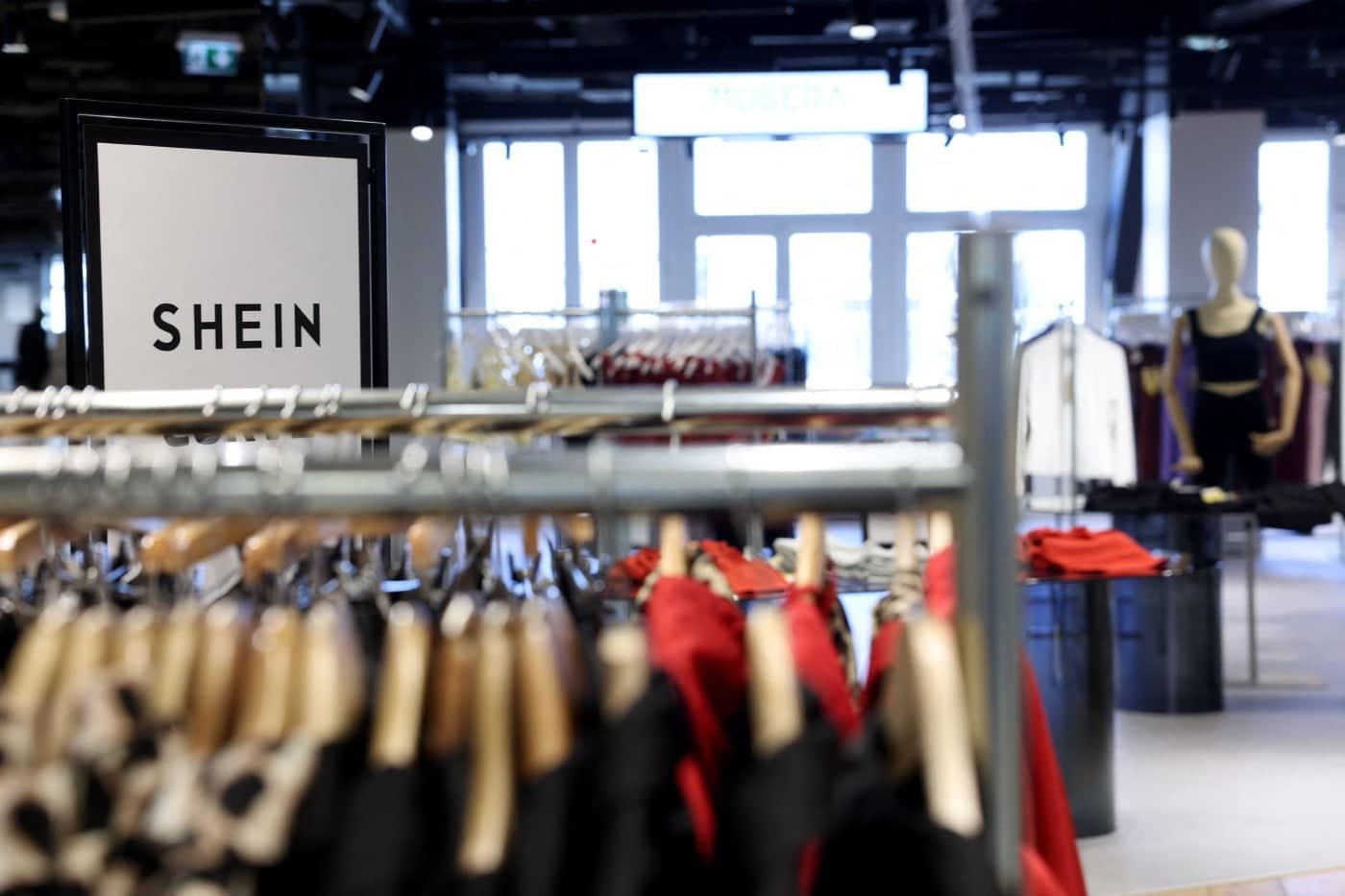
fashionnetwork+1fashionnetwork+1cms+1The French Parliament on Monday definitively adopted a bill targeting ultra-fast fashion, making France the first country to impose escalating financial penalties and a blanket advertising ban on low-cost clothing platforms such as Shein and Temu PDD Holdings Inc. . The legislation, more than two years in the making, now awaits presidential promulgation within 15 days.fashionnetwork+1
In its final form, the bill defines "ultra-fast fashion" using two cumulative criteria: the breadth of a brand's product range — measured by the volume of clothing placed on the market — and a repair incentive coefficient that compares a product's price to the cost of repairing it. Specific thresholds will be set by decree.imazpress+1
The law establishes a per-item financial penalty that will increase over time, reaching up to 20 euros per piece by 2030, capped at 50 percent of the product's pre-tax price. A portion of the revenue will fund textile collection and recycling infrastructure. The bill also bans all advertising for ultra-fast fashion brands, including promotions by influencers, and requires affected companies to display messages on their websites encouraging "moderation, reuse, and repair."fashionnetwork+2
The stated goal is to target major Asian platforms while sparing European and French retailers such as Zara Industria de Diseño Textil, S.A. and Kiabi. That distinction drew criticism from the left. "Under pressure from lobbyists, the bill's original ambition has been significantly scaled back," said Green Party representative Charles Fournier, noting that European fast-fashion brands "have not become models of sustainable fashion."fashionnetwork
The Stop Fast-Fashion coalition, representing some 30 NGOs, had similarly objected to a scope limited to ultra-fast fashion. Conversely, French trade federations warned last week that Chinese companies could circumvent the law while domestic firms risk falling under its sanctions.fashionnetwork
The European Commission sent Paris a detailed opinion in September 2025 raising concerns about the bill's compliance with EU internal market rules, which extended the legislative standstill period until late December 2025. Those reservations remain unresolved, and whether the text might face a constitutional challenge adds another layer of uncertainty.cms+1
"I'm comfortable saying that, for now, we're coming down hard on Shein, and that's the first step," bill sponsor Anne-Cécile Violland told AFP.fashionnetwork