Newsletter Subscribe
Enter your email address below and subscribe to our newsletter
[forminator_form id="25163"]

All voices matter
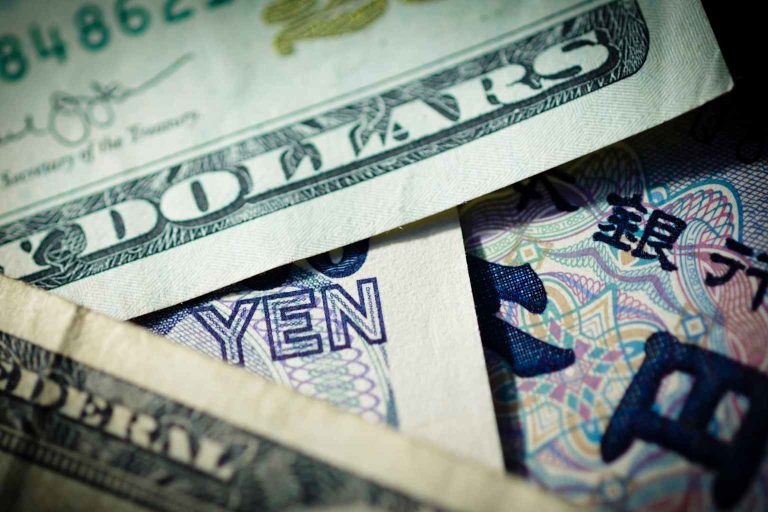
devdiscourse+1investing+1reutersThe Japanese yen hovered near a four-decade low against the U.S. dollar on Thursday, trading around 163.5 per dollar, as a surge in foreign selling of Japanese bonds underscored mounting pressure on the Bank of Japan to tighten monetary policy further.
Foreign investors divested a net 1.51 trillion yen ($9.24 billion) in Japanese long-term bonds and 2.89 trillion yen in short-term bills in the week ended July 25, marking the largest weekly net sales since March, according to Japan's Ministry of Finance data. The sell-off was driven by a nearly 9.85% surge in Brent crude prices and the yen's slide to roughly four-decade lows, which together stoked concerns that import-cost inflation would force the BOJ's hand.devdiscourse+1
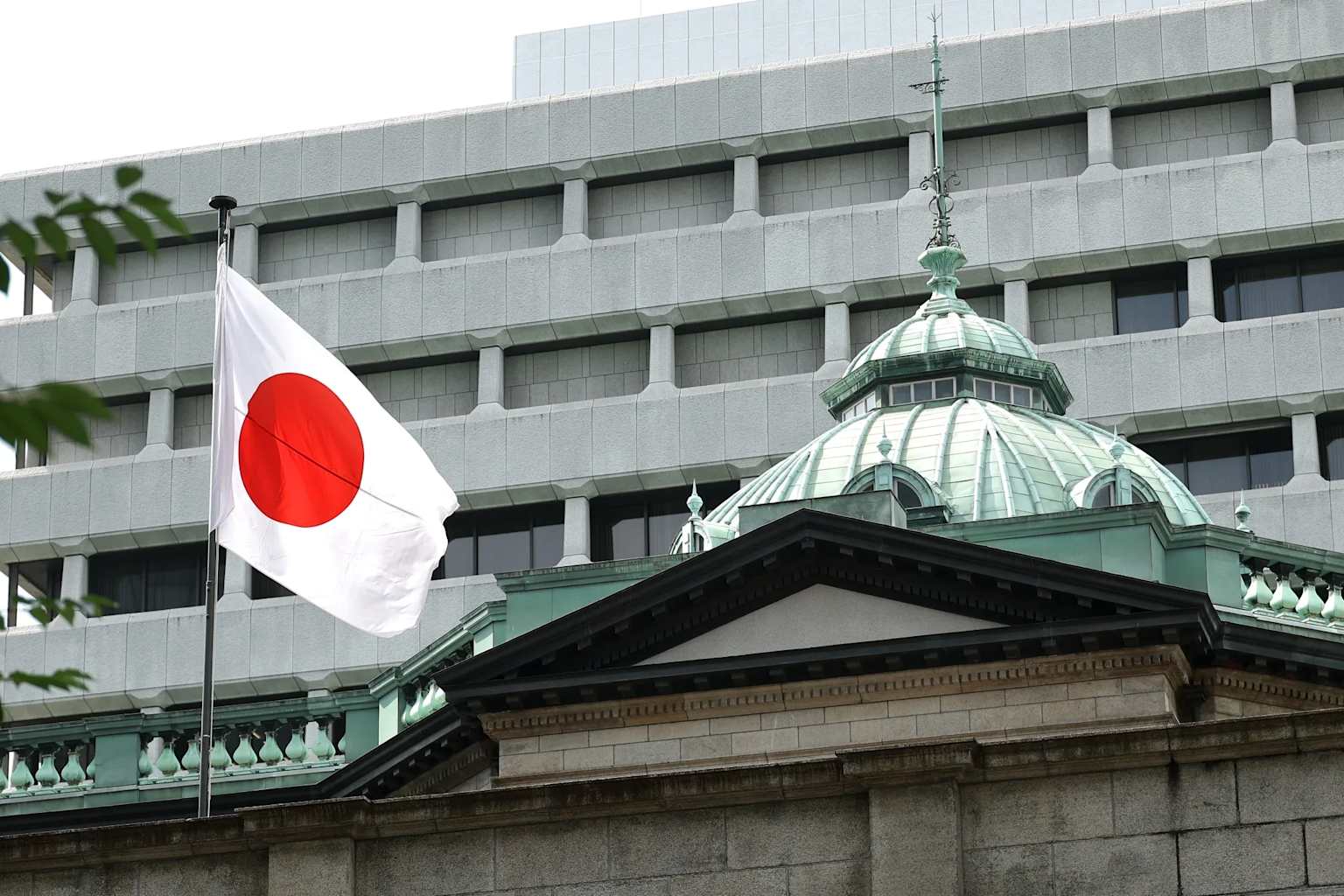
Bloomberg News reported last week that Japanese central bankers were open to raising interest rates faster than economists had expected. Reuters reported Sunday that the Bank of Japan is set to keep rates steady at 1% at its two-day meeting ending Friday but will leave scope for further hikes through hawkish communication. Analysts polled by Reuters expect the BOJ to raise rates to 1.25% by year-end, possibly as soon as October.reuters+1
The yen found modest support after the U.S. Federal Reserve held its benchmark rate unchanged on Wednesday, disappointing some who had speculated about a surprise hike. The USD/JPY pair settled at 163.37–163.47 in New York trading, a gain of 0.44 yen from the previous session. Markets now price roughly a 64% probability of a September Fed rate hike, down from about 81% before the announcement, according to CME FedWatch.investing+1
DBS Senior FX Strategist Philip Wee said the decision proved less hawkish than feared but that Fed Chair Kevin Warsh's emphasis on returning inflation to target should support the dollar over the medium term.investing
Japan's authorities have signaled readiness to act. After the yen first breached 163 in late June, officials warned they would take "decisive action" if needed. Japan's Ministry of Finance previously spent approximately $71.7 billion in intervention between April and May, but the yen returned above 163 within weeks. The Nikkei 225 fell to a two-month low of 60,448.9 on Wednesday amid a chip-sector sell-off, while renewed Middle East tensions and rising energy costs added to the headwinds facing Asian currencies broadly.arabnews+3
"Depending on the outcome of the Bank of Japan meeting, the yen could come under selling pressure again," one market participant noted.finance.biggo