Newsletter Subscribe
Enter your email address below and subscribe to our newsletter
[forminator_form id="25163"]

All voices matter
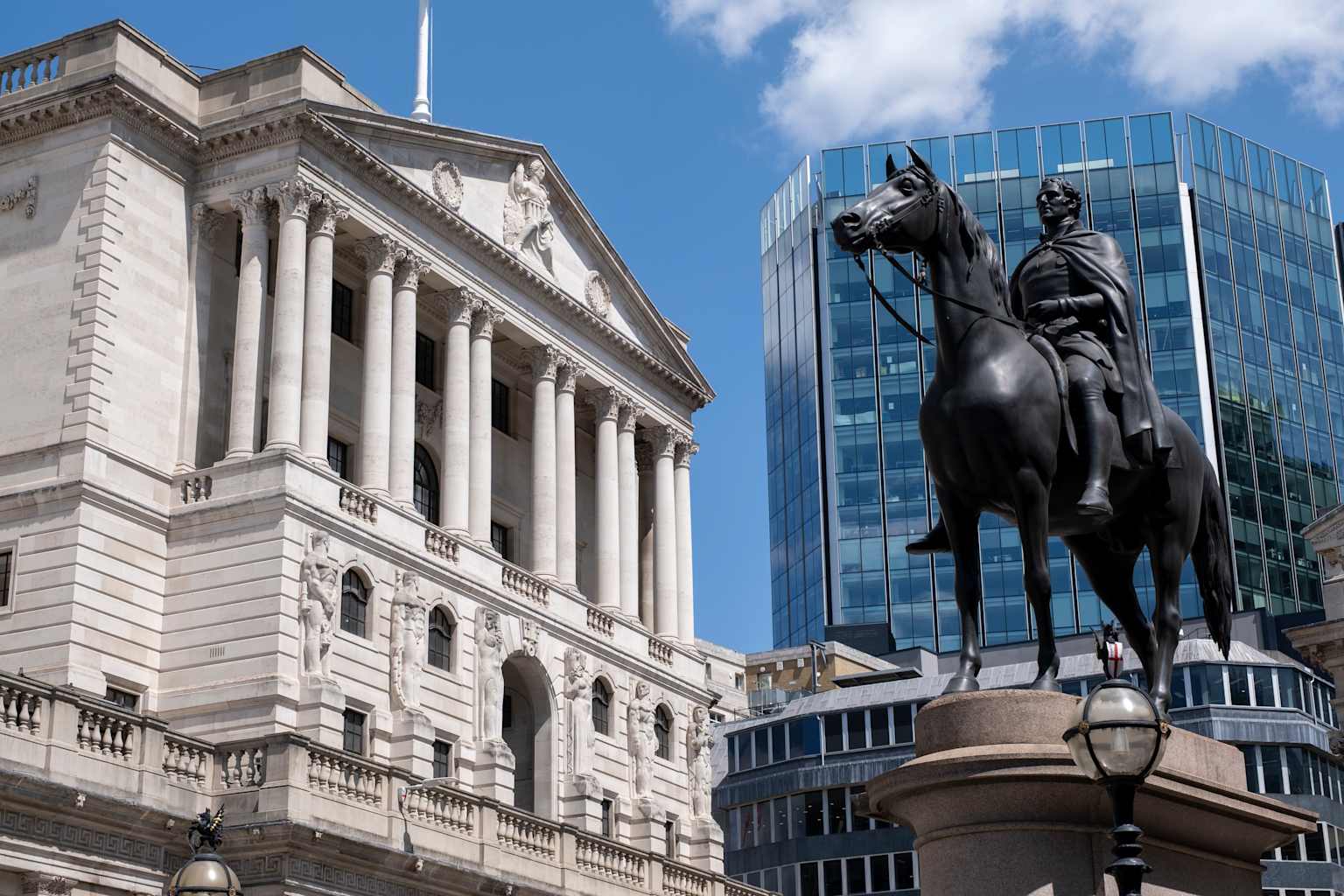
cnbc+1homehomeThe world's major central banks charted starkly different courses this week in response to the inflationary fallout from the Middle East conflict, with the Bank of England holding firm while the U.S. Federal Reserve, the Bank of Japan, and the European Central Bank all raised borrowing costs.
The Federal Reserve on Wednesday approved a unanimous 12-0 vote to raise its benchmark interest rate by 25 basis points to a target range of 3.75% to 4%, its first increase since 2023. The FOMC said inflation "remains elevated" and that the hike would support a "timelier return" to its 2% goal. The move came under Fed Chair Kevin Warsh, who defied pressure from President Trump to keep rates low.thetimes+3
On Friday, the Bank of Japan raised its policy rate by 25 basis points to 1.25% in a 7-2 vote, taking borrowing costs to their highest level in 31 years. Reuters reported that Governor Ueda signaled the BOJ has entered a new phase focused on preventing inflation from overshooting, opening the door to further hikes. The yen nonetheless weakened after the split decision suggested less urgency to tighten further than markets had anticipated.home+1
The European Central Bank had already moved on September 10, lifting its deposit facility rate to 2.50% as eurozone inflation rose to 3.2% in August, near a two-and-a-half-year high driven by a 14.3% surge in energy costs.businessday
The Bank of England's Monetary Policy Committee voted 6-3 on Thursday to hold Bank Rate at 3.75% for a sixth consecutive meeting. Governor Andrew Bailey acknowledged that higher global energy costs have so far had a "limited effect" on UK price and wage setting, but warned that "the longer this volatility persists, the bigger the impact it will have on inflation, and the more likely it is we will need to raise Bank Rate". UK consumer price inflation stood at 3.1% in August, above the BoE's 2% target.bankofengland+1
The BoE also announced an overhaul of its quantitative tightening program, pausing active gilt sales entirely for six months and halting sales of long-dated gilts indefinitely, sending the 30-year gilt yield sharply lower.home
The divergence reflects different judgments on how persistent the energy shock from the Middle East conflict will prove. Saudi Arabia is working to restore capacity on its damaged East-West pipeline while rerouting crude via ship-to-ship transfers near Oman, easing some supply fears even as Strait of Hormuz transit remains severely disrupted. Brent crude pulled back for a third straight session but remains roughly 15% higher this month.home
Markets are now pricing in at least one more Fed hike this year, with officials projecting year-end rates between 4.1% and 4.4%. The BoE's next decision is scheduled for November 5, and swap markets already reflect expectations of a hike at that meeting.advisorperspectives+1