Newsletter Subscribe
Enter your email address below and subscribe to our newsletter
[forminator_form id="25163"]

All voices matter
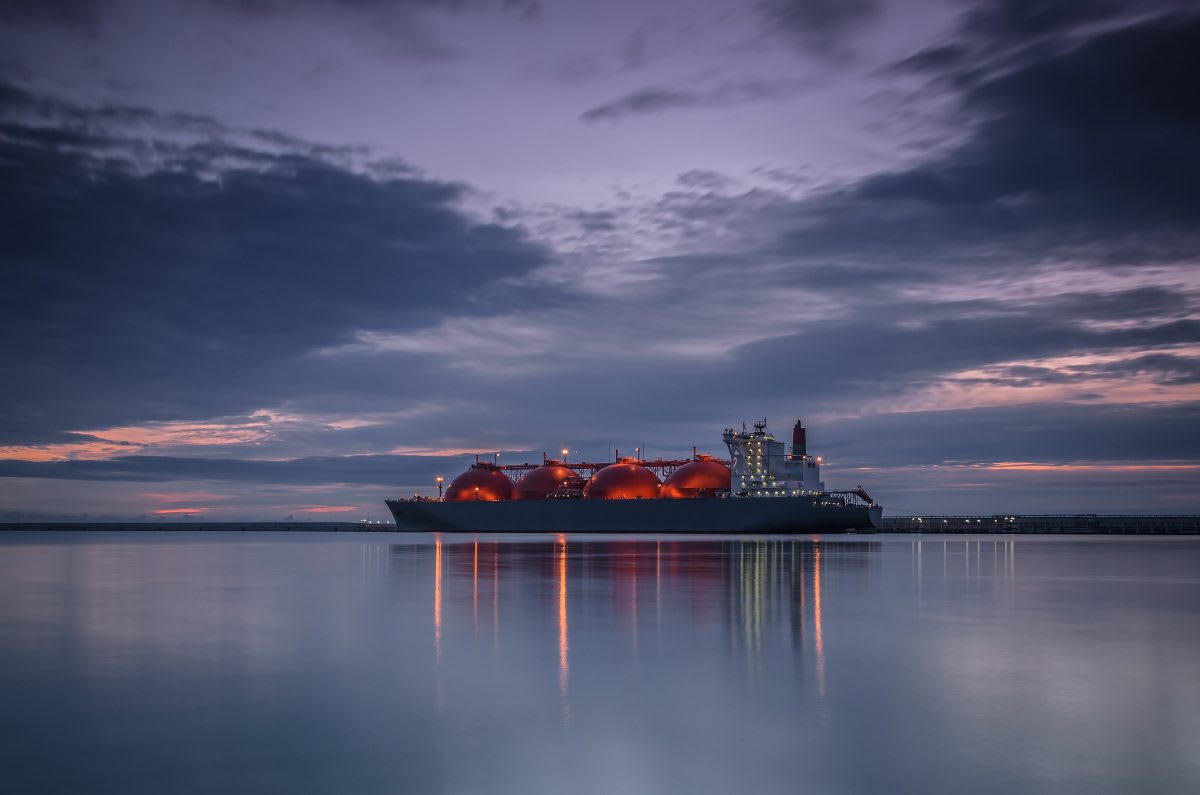
oilprice+1reuters+1voltstackEuropean buyers are outcompeting Asian rivals for liquefied natural gas cargoes as spot LNG prices climb 150% since February, driven by the prolonged closure of Qatar's export facilities and the broader energy crisis sparked by the U.S.-Israeli air campaign against Iran. With EU gas storage at just 69.3% of capacity — nearly 16 percentage points below the five-year seasonal average — European importers have little choice but to pay whatever the market demands heading into winter.oilprice+1
Asia's LNG imports are on track for their weakest September in eight years, with arrivals estimated at 20.09 million metric tons, down from 22.27 million tons a year ago, according to data from Kpler cited by Reuters. Price-sensitive buyers across the continent are turning to coal and other alternatives as spot LNG reached $26 per million British thermal units in the week ending September 11.reuters+1
Europe, meanwhile, is moving in the opposite direction. Imports are expected to hit 7.98 million tons this month and could rise to 10.53 million tons in October, according to Kpler. Annual European LNG imports are projected to surpass last year's record of 125.20 million tons, with 117.01 million tons already delivered through August. The dynamic marks a reversal from July, when Asian spot premiums briefly pulled flexible U.S. cargoes away from Europe.oilprice+1
The supply squeeze traces back to Iranian missile attacks on Qatar's Ras Laffan facility in March, which knocked out roughly 12.8 million tons of annual LNG capacity — about 17% of the country's exports. QatarEnergy has repeatedly extended force majeure declarations, most recently through at least mid-October. Meanwhile, the Strait of Hormuz remains largely blocked to commercial shipping since the conflict began in late February.wikipedia+4
The disruptions extend well beyond gas. Morgan Stanley warned on September 20 that oil markets face "upside risks" with Brent forecast to average $100 per barrel in the fourth quarter, citing constrained Hormuz flows, the shutdown of Saudi Arabia's East-West pipeline, and tanker freight rates at record levels. Crude tanker rates for VLCCs hit an all-time high of roughly $451,000 per day on September 12, according to Clarksons Research.tribuneindia+2
Europe's delayed start to gas purchasing has compounded the problem. Buyers gambled earlier this year on a quick resolution to the Middle East conflict and a return of Qatari supply, holding off on storage refills. That bet has not paid off. To reach a 90% storage target by November 1, the EU would need to add roughly 21 percentage points in 42 days — a pace well above the current daily refill rate.voltstack
China is partly cushioning the global impact by relying on long-term contracts and Russian pipeline gas rather than competing aggressively on the spot market. But for European consumers already absorbing the costs of sanctions on Russian energy, the prospect of another expensive winter looms large.oilprice