Newsletter Subscribe
Enter your email address below and subscribe to our newsletter
[forminator_form id="25163"]

All voices matter
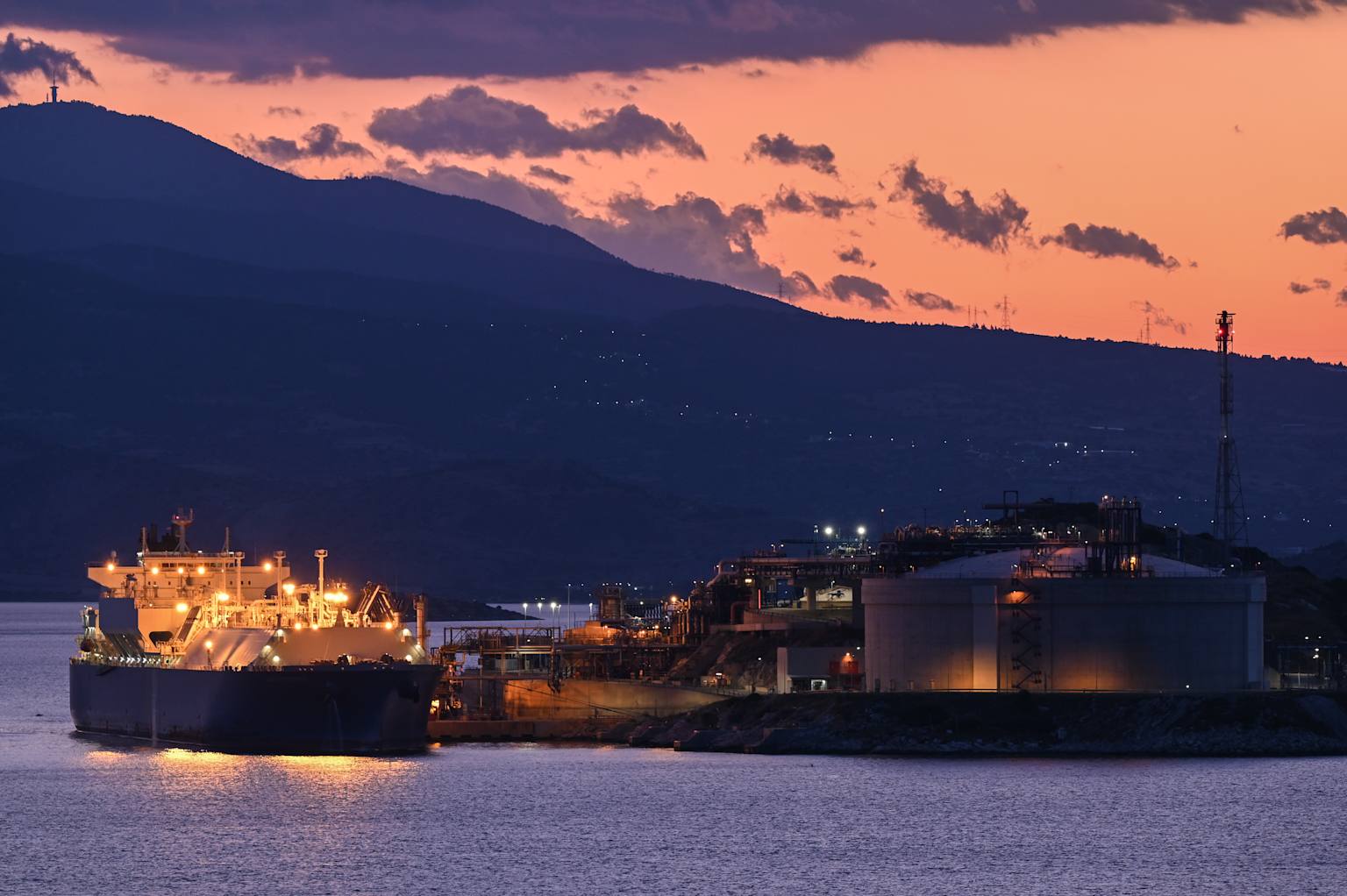
indexbox+1cnbc+1cnbcEuropean natural gas prices have surged to their strongest levels since early 2023 as disruptions to LNG flows through the Strait of Hormuz continue to hamper the continent's efforts to rebuild reserves ahead of winter, raising the prospect of intense competition with Asian buyers for available cargoes.
Dutch TTF futures, Europe's benchmark gas contract, have been trading above €65 per megawatt-hour, with CNBC reporting that prices climbed above €68/MWh earlier this week — the highest since early 2023. The rally extends a run that has pushed prices up more than 130% since the start of the year, according to Euronews.cnbc+1
EU gas storage levels currently sit around 63% of capacity, the lowest seasonal reading since 2009 and far below recent years. Data from Gas Infrastructure Europe showed stocks passed the 60% threshold on August 13, lagging all five prior years at this point in the refilling season. For comparison, by August 2024 EU storage had already reached 90% full.indexbox+3
The Middle East conflict has disrupted roughly one-fifth of global LNG movements. The Strait of Hormuz, through which Qatar and other major producers ship LNG, has seen traffic collapse from pre-conflict levels of around 125 daily sailings to a fraction of that. Reuters reported in June that Shell warned the disruption could keep global LNG trade flat in 2026.tradingview+2
Some recent signs of improving transit through the strait and discussions surrounding an Iran-Oman shipping arrangement have eased concerns about immediate physical shortages. However, analysts at Gas Outlook warned that the Hormuz disruption could persist through the remainder of the year.gasoutlook+1
The European Commission maintains that substantial spare LNG import capacity and a storage target of 80% will be sufficient to meet winter demand. But CNBC reported that prices could top €100/MWh if competition with Asia intensifies. Market attention is increasingly shifting toward the economic and sanctions-related consequences of the Iran situation rather than an imminent supply shock.indexbox+2