Newsletter Subscribe
Enter your email address below and subscribe to our newsletter
[forminator_form id="25163"]

All voices matter
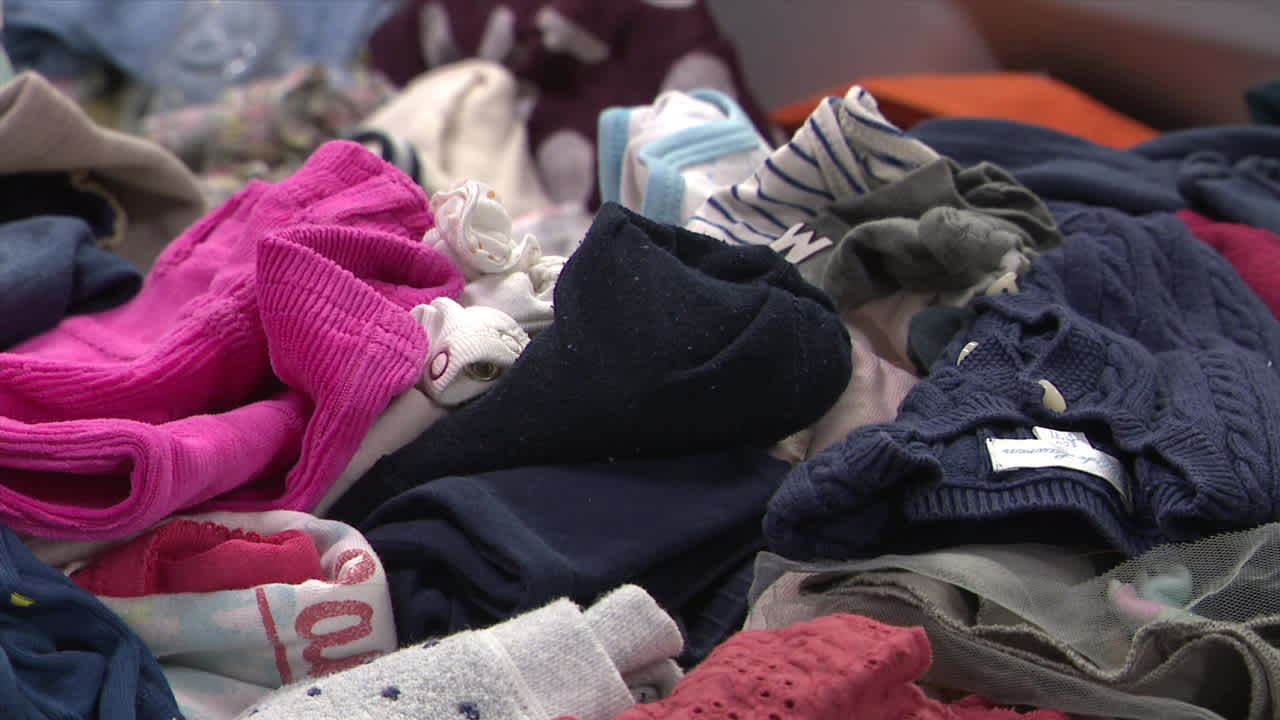
dw+1fibre2fashion+1dw+1A ban on the destruction of unsold clothing, footwear, and accessories took effect across the European Union on Sunday, July 19, in one of the bloc's most concrete steps yet toward a circular economy and a direct challenge to the fashion industry's longstanding practice of incinerating or landfilling excess inventory.
Under the Ecodesign for Sustainable Products Regulation (ESPR), large companies with more than 250 employees and over €50 million in net annual turnover are now prohibited from destroying stocks of unsold apparel, accessories, and footwear. Firms must instead prioritize keeping products in use — through discounts, alternative markets, charity donations, or preparation for reuse via repair and refurbishment.dw+3
Destruction is permitted only in limited circumstances, such as when items are unsafe, damaged, counterfeit, or have been rejected by charities after documented donation attempts. Companies relying on these exemptions must provide proof and publish annual reports on discarded goods, with records kept for five years to allow inspections by national authorities. A standardized disclosure format will apply from February 2027.fibre2fashion+3
The European Commission estimates that between 4% and 9% of unsold textiles in the EU end up in landfills or incinerators each year. The regulation targets both fast fashion overproduction and the luxury sector's historical practice of destroying surplus stock to maintain brand scarcity.fabricandgarment+3
Medium-sized companies will face the same obligations from July 2030, while micro and small enterprises are exempt. National authorities in each member state will oversee enforcement and may impose fines for violations.productsofchange+2
The ESPR entered into force in July 2024, with the European Commission adopting the detailed delegated and implementing acts on February 9, 2026, to give businesses time to prepare. The regulation was originally agreed upon by EU negotiators in December 2023. As the European Commission stated in an announcement ahead of the ban's application date, the measure aims "to prevent the waste of valuable products and the resources used to make them".eureporter+3