Newsletter Subscribe
Enter your email address below and subscribe to our newsletter
[forminator_form id="25163"]

All voices matter
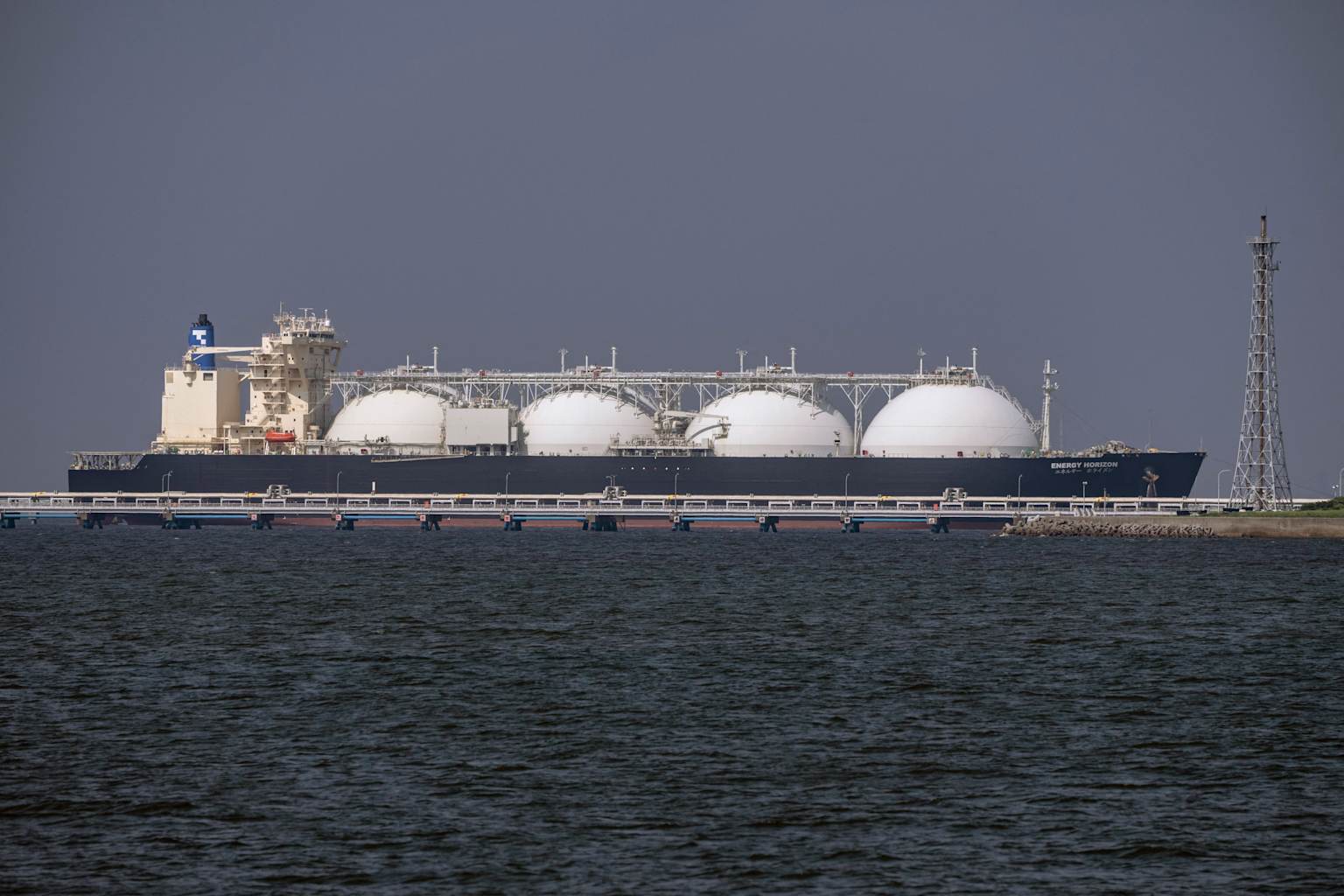
barchart+1investingbarchartBroad commodities posted a 12% gain in July, outperforming every other major asset class by a wide margin after a sharp selloff in June, as resumed hostilities in the Middle East sent energy prices sharply higher and reinforced commodities' position as the dominant asset class of 2026.investing+1
The iShares S&P GSCI Commodity-Indexed Trust , a broad commodities ETF tracked under the ticker GSG, led all major asset classes for the month, extending its year-to-date advance to nearly 39%. That gain has been driven largely by an 87% surge in crude oil prices tied to the ongoing blockade at the Strait of Hormuz, according to Seeking Alpha.seekingalpha+1
Crude oil was the primary engine behind the commodities rebound. September NYMEX WTI crude oil futures rose 22.23% in July, while ICE Brent crude oil futures gained 20.46%, according to Barchart. Heating oil futures climbed 29.60%, gasoline futures rose 14.03%, and the distillate crack spread — a measure of refining margins — posted an explosive 38.43% gain.barchart
The rally was fueled by the collapse of diplomatic efforts between the United States and Iran. Hopes that a memorandum of understanding between Washington and Tehran would reopen the Strait of Hormuz faded after regional attacks by Iran on U.S. military assets prompted the U.S. to resume strikes. By the end of July, hostilities were escalating with rising odds of broader conflict in the region.barchart
Beyond energy, the commodity rally rippled into grains and soft commodities. Wheat futures rose 8.49%, corn gained 6.42%, and soybeans advanced 3.83%, buoyed by fertilizer shortages linked to the Hormuz disruption and fighting near Black Sea ports. Arabica coffee futures climbed 12.03% on weather-related crop concerns in Brazil.barchart
U.S. stocks, by contrast, slipped for a second consecutive month. The Vanguard Total Stock Market ETF , tracking under VTI, fell 0.5% in July, though it remains up 10.5% for the year. U.S. bonds fared worse, with the Vanguard Total Bond Market ETF shedding 1.3% in July and turning negative for 2026 at minus 0.5%. U.S. real estate shares tracked by VNQ rallied 2.6%, posting a 14.0% year-to-date return — second only to commodities.investing+1
The Global Market Index, an unmanaged multi-asset benchmark maintained by The Capital Spectator, fell 0.6% for a second straight monthly decline, though it holds a 9.3% year-to-date gain. The S&P 500, Nasdaq Composite, and Russell 2000 indices all finished July lower, while the dollar index fell 1.16%.investing+1
Looking ahead, analysts expect continued volatility. "The Strait of Hormuz remains the focal point for the war, with hostilities spreading to the Red Sea region and as far as Egypt," wrote Barchart columnist Andrew Hecht, adding that August's typically lower liquidity could amplify price swings across all asset classes.barchart