Newsletter Subscribe
Enter your email address below and subscribe to our newsletter
[forminator_form id="25163"]

All voices matter

oilpriceieaenglish.alarabiya+1Chevron Australia's top executive said Monday that liquefied natural gas prices are unlikely to decline over the next six months, as the ongoing conflict in the Middle East continues to choke off a large share of global supply.
"I have a hard time seeing the prices come down" in the next six months or so, Balaji Krishnamurthy, Managing Director of Chevron Australia, told Bloomberg TV on the sidelines of the Gastech conference in Bangkok. The annual gathering, now in its 54th year, opened Monday at Bangkok's BITEC convention center and runs through September 17.oilprice+1
Krishnamurthy said Australian LNG is currently trading at a premium in Asia owing to the country's geographic proximity to key demand centers in northeast Asia. Chevron operates two of Australia's largest LNG facilities — Gorgon, with 15.6 million tons of annual capacity, and Wheatstone, at 8.9 million tons — which together account for roughly 5% of global LNG supply.oilprice
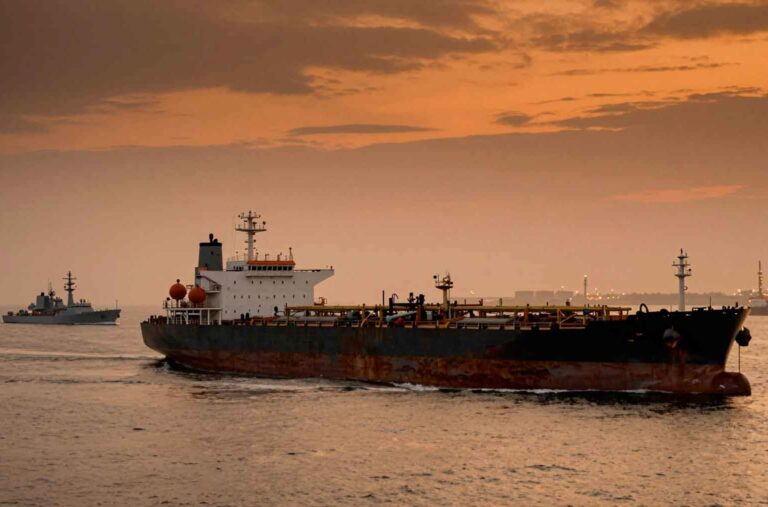
The spot Asian LNG price for October delivery into northeast Asia rose at the end of last week to its highest level since December 2022, reaching $26.00 per million British thermal units, according to Oilprice.com. The price increase reflects a tightening market where Asia and Europe have been competing for alternative LNG supply since the disruption of flows through the Strait of Hormuz began in late February.oilprice
The International Energy Agency estimated in August that the closure of the Strait of Hormuz had removed close to 20% of global LNG supply from the market, reversing a trend of rebalancing that had taken hold during the previous heating season. Damage to Qatari liquefaction infrastructure and delays to the country's North Field East expansion project could result in a cumulative loss of around 120 billion cubic meters of LNG supply between 2026 and 2030, according to the IEA.iea+1
While some cargoes loaded from Qatar and the United Arab Emirates have been transferred onto other vessels outside the strait in recent weeks, the trickle of supply is not enough to meet demand ahead of winter in both Asia and Europe.oilprice
Also at Gastech on Monday, Oman's Minister of Energy and Minerals, Salim bin Nasser Al Aufi, called on the industry to develop alternative LNG export corridors that bypass the Strait of Hormuz. Al Aufi said options should include shipping routes through the north, through Oman, or via Yemen. Oman already operates an LNG export facility on its eastern coast that does not rely on passage through the strait. Abu Dhabi National Oil Company is also reportedly considering a new LNG export terminal outside the chokepoint.binance+2