Newsletter Subscribe
Enter your email address below and subscribe to our newsletter
[forminator_form id="25163"]

All voices matter
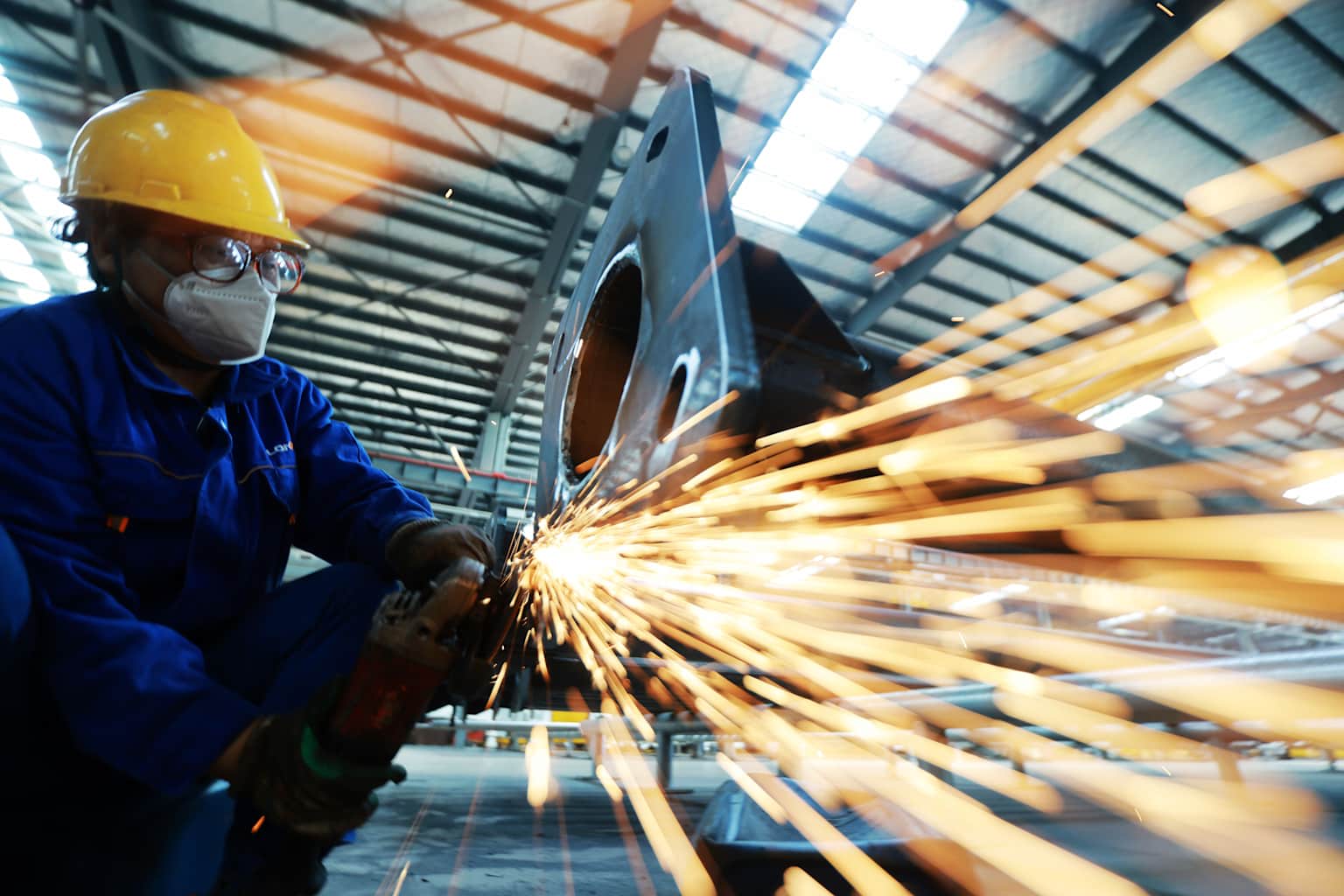
finance.yahoofinance.yahoofinance.yahooA year after President Donald Trump's tariffs triggered a global rush to diversify supply chains away from China, some companies are finding that the country's factory ecosystem is too difficult to replicate — and are bringing production back, according to a Reuters report published Monday.finance.yahoo
Firms that relocated manufacturing to India, Vietnam, and Indonesia have encountered problems ranging from unreliable electricity to a lack of skilled labor and supplier networks, leading them to restore or maintain Chinese suppliers despite an effective U.S. tariff rate of about 20% on Chinese goods.finance.yahoo
U.S. retailer Target has moved some orders back to Chinese suppliers after encountering supply-chain disruptions and production constraints abroad, according to two people familiar with the matter cited by Reuters. Shein, the Chinese fast-fashion company, is also scaling back some operations in Vietnam, according to people familiar with its operations there.finance.yahoo
Heather Kuang, vice president of Dawang Metals, a China-based metal casting company in the northeastern city of Dandong, said a major U.S. customer returned with new orders after running into problems in India. "China's supply-chain advantage is still too great, and it is difficult to replicate domestic production elsewhere," Kuang told Reuters.finance.yahoo
Jin Chaofeng, an exporter of outdoor furniture in Hangzhou, said he shut a workshop in Ho Chi Minh City that he opened in 2024 and moved production back to China this year after struggling to find necessary equipment in Vietnam. "Once I factored everything in, the overall cost was not much different, so there was no point," he said.finance.yahoo
The arithmetic behind offshoring has shifted. According to Economist Intelligence Unit estimates from July, China faced an effective U.S. tariff rate of about 20%, compared with 6.1% for Vietnam, 13.4% for Indonesia, and 4.5% for Thailand. But as Washington extended tariffs to a wider range of countries, that gap has narrowed, prompting some Chinese manufacturers to rethink overseas investment.ndtvprofit+1
Energy reliability has also emerged as a factor. Stanislaw Krykun, CEO of Poland-based packaging firm DST Pack, said his company sources 80% of production from a factory in Shenzhen, with alternatives in the U.S. and Europe costing two to three times more per unit. "In case of any crisis, the Chinese production plants will be the most stable plants you can use," Krykun told Reuters.finance.yahoo
The developments come ahead of an expected meeting between Trump and Chinese President Xi Jinping this month, which businesses will watch for clarity on a proposed mechanism to lower barriers on some non-sensitive goods. Still, exporters said they hold limited expectations. "We gave up expecting much from Trump long ago," Kuang said. "We have to find export markets to sustain ourselves."finance.yahoo