Newsletter Subscribe
Enter your email address below and subscribe to our newsletter
[forminator_form id="25163"]

All voices matter
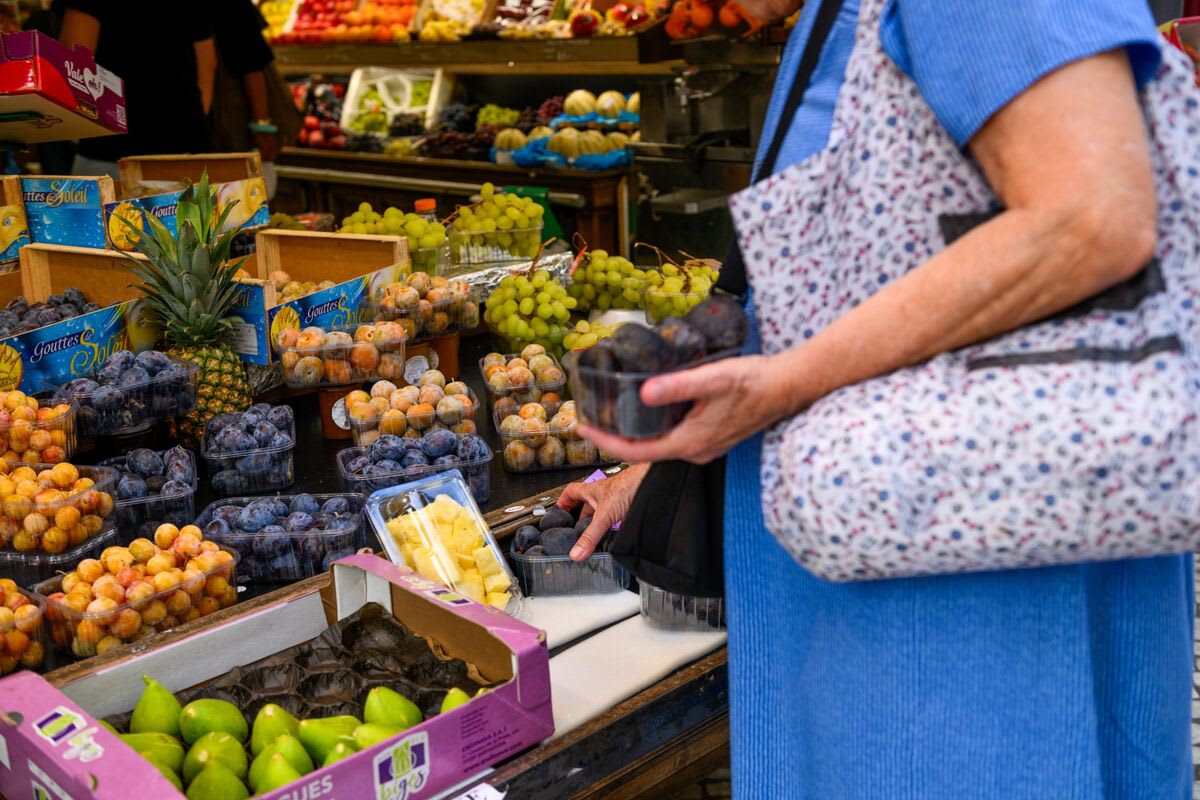
fao+1cryptobriefingreuters+1After a year dominated by energy-driven turbulence, global bond investors are confronting a new threat: rising food prices. The UN FAO Food Price Index climbed to 133.3 points in August 2026, up 1.9% from July and its highest level since November 2022, as a confluence of weather shocks, supply constraints, and geopolitical disruptions pushes agricultural costs upward.fao+1
JPMorgan economists project global food inflation will reach 5% in the first half of 2027, nearly doubling from 2.8% during the same period in 2026. The drivers are stacking up: forecasters anticipate an intense El Niño weather pattern that could damage crop yields across multiple continents, fertilizer supplies remain constrained, and shipping disruptions continue to complicate trade routes. Europe's record hot summer has already harmed harvests, with Barclays economists forecasting crop yield impacts as early as this autumn.bloomberg+1
Marie-Anne Allier of Carmignac, the French asset management firm, warned that "the next supply shock will be on food" and that the risk is not currently priced into markets. On the corporate side, Campbell's is planning price increases of 4% to 5% across roughly 60% of its product lineup, while elevated U.S. diesel prices above $6 per gallon are adding transportation costs.cryptobriefing
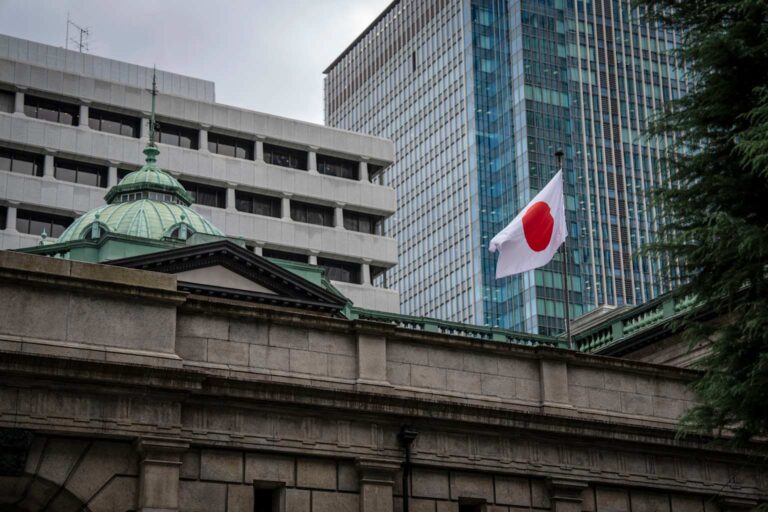
The food inflation threat landed squarely on policymakers' desks on Thursday, as the Bank of England held interest rates at 3.75% in a 6-3 vote, with three members pushing for a hike to 4%. Governor Andrew Bailey warned that prolonged conflict in the Middle East "may require tighter policy," and the central bank predicted British inflation would top 4% early next year.reuters+2
Fund managers are already repositioning, securing inflation-protective instruments and reducing exposure to countries where food carries outsized weight in consumer price baskets. Emerging markets, where food can represent 30% to 50% of CPI compared to roughly 15% in developed economies, face particular vulnerability to repricing.cryptobriefing
A sustained rise in food costs carries effects that extend beyond inflation readings. Households spending more on staples have less for discretionary goods, creating a stagflationary dynamic that leaves central banks with no easy options. If JPMorgan's 5% projection materializes, the bond market's ability to absorb the shift without disorderly repricing will depend on how quickly the consensus moves. For now, according to Allier, food inflation risk remains underpriced.cryptobriefing