Newsletter Subscribe
Enter your email address below and subscribe to our newsletter
[forminator_form id="25163"]

All voices matter
economictimes+1univesttradingeconomics+2Asian currencies came under broad pressure on Monday as renewed hostilities between the United States and Iran pushed oil prices sharply higher and drove investors toward the safety of the US dollar. The dollar index rose to 100.98, its highest level since July 15, as the geopolitical crisis in the Gulf region intensified over the weekend.univest+1
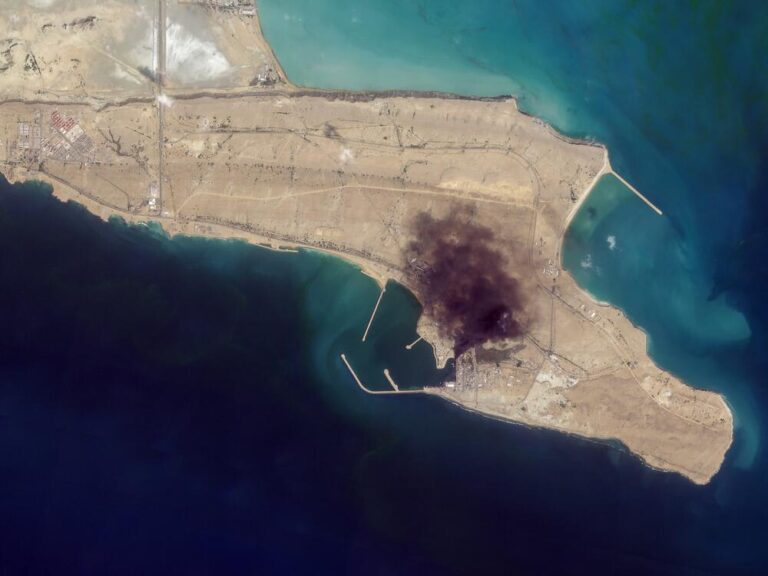
The selloff in Asian currencies was driven largely by a spike in crude oil prices after the United States carried out a ninth consecutive night of strikes on Iranian territory, while Iran abandoned its interim peace agreement with Washington and threatened to restrict shipping through the Strait of Hormuz. Brent crude surged more than 3% above $90 a barrel on Monday, its highest since mid-June, while West Texas Intermediate climbed to around $84.68.turanews+2
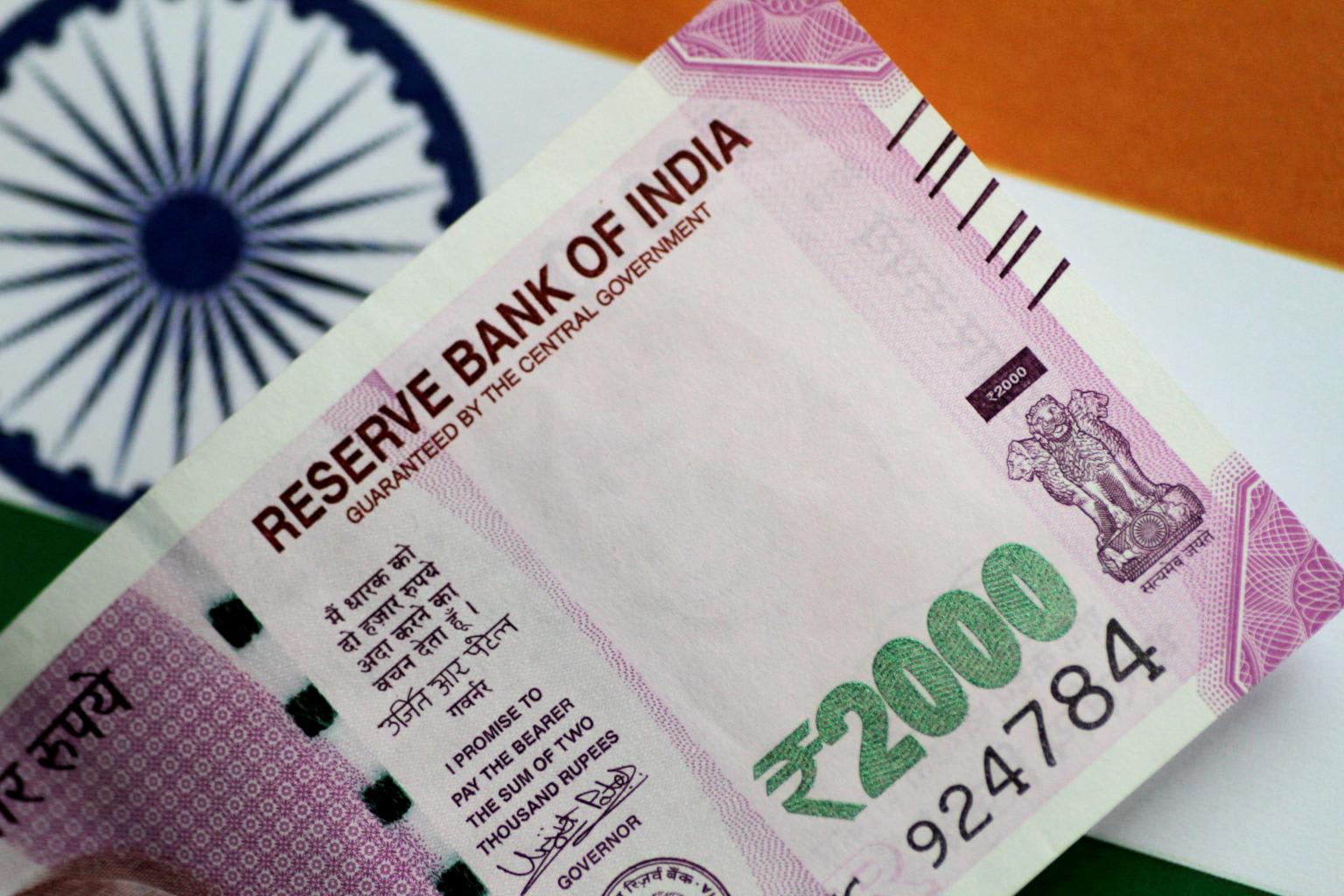
Energy-importing nations bore the brunt of the pressure. The South Korean won weakened 0.28% to 1,480.07 per dollar on Monday. The Indian rupee edged higher against the dollar to around 96.59, extending its losses after months of depreciation driven by elevated oil costs. The Philippine peso closed at 61.745 per dollar, ranking among Southeast Asia's worst-performing currencies.tradingeconomics+2
Against the Japanese yen, the dollar held largely flat near 162.50, with the yen languishing at 40-year lows and traders on alert for potential intervention from Tokyo authorities. The euro was little changed at $1.1415.reuters+1
The dollar's strength reflected a broader flight to safe-haven assets as markets assessed the risk of prolonged disruptions to global oil supplies. Reuters reported that Iran's Revolutionary Guard warned it would not allow vessels to pass through the Strait of Hormuz without permission, a threat that rattled commodity and currency markets alike.youtube
The pressure on Asian currencies in 2026 has been persistent. Reuters reported in May that policymakers across the region have resorted to "urgent and unconventional measures" to support their economies amid the energy supply crisis, with currencies falling to unprecedented lows. MUFG Bank projected in early July that Asian currencies could recover modestly in the second half of 2026 if the dollar softens and energy prices ease, but acknowledged the outlook depends heavily on whether geopolitical tensions subside.mufgresearch+1