Newsletter Subscribe
Enter your email address below and subscribe to our newsletter
[forminator_form id="25163"]

All voices matter
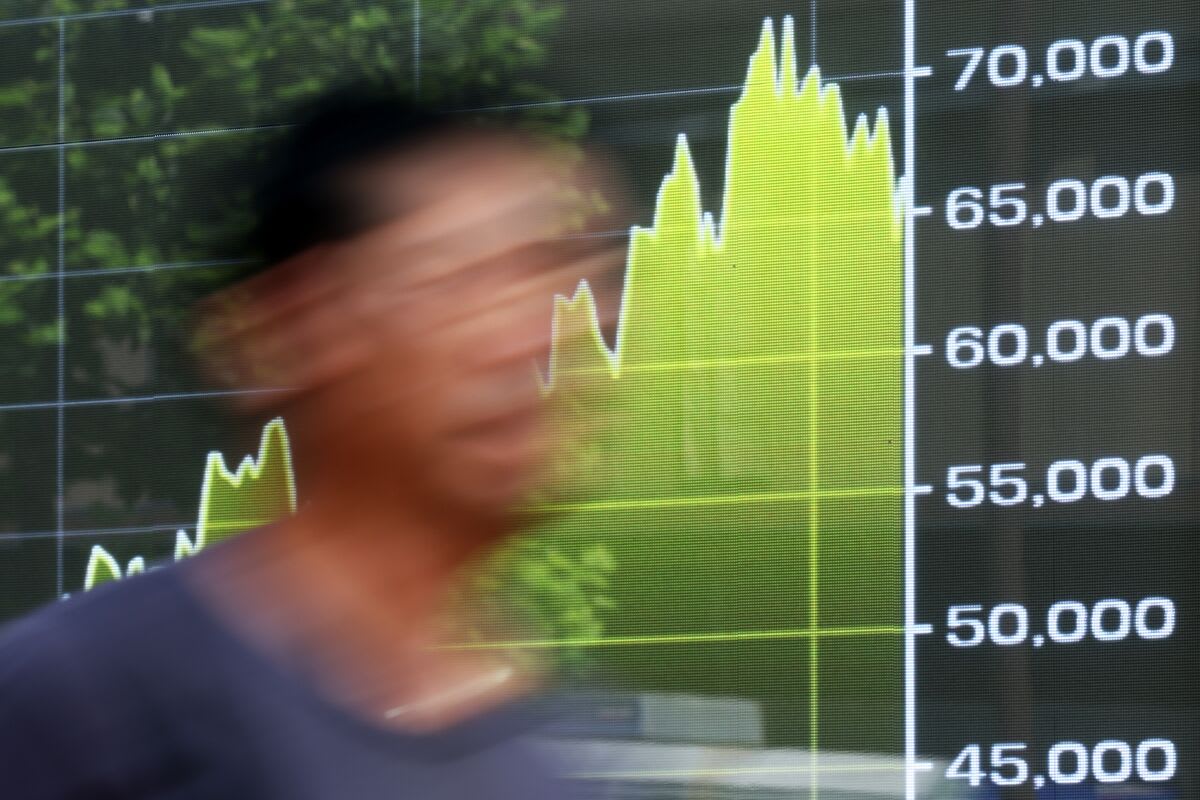
reuterscnbcmitrade+1The release of Moonshot AI's Kimi K3 open-weight model has set off a sustained selloff in semiconductor stocks worldwide, with the rout deepening this week as investors continue to reassess the economics of the AI boom in the face of lower-cost Chinese competition.
Asian semiconductor stocks tumbled on Tuesday, with South Korea leading the regional decline as models such as Kimi K3 raised fresh questions about AI infrastructure spending, according to Reuters. The Kospi, home to chip heavyweights SK Hynix and Samsung Electronics, has been among the hardest-hit markets since Moonshot AI unveiled the model on July 16. Deutsche Bank strategists cited renewed concerns over Chinese competition and AI investment spending as key drivers of the global selloff.reuters+3
The selloff echoes the DeepSeek-triggered downturn of early 2025, when a different Chinese lab demonstrated that competitive AI performance could be achieved at far lower cost. Some analysts have pushed back on the panic — Morningstar characterized the Kimi K3-driven selloff as "irrational," arguing that running large open-weight models still requires substantial compute. But investor anxiety has persisted.tradingkey
Nvidia CEO Jensen Huang weighed in on the policy debate this week, warning U.S. lawmakers against restricting open-weight AI systems. After meeting with Democratic Senators Mark Warner and Adam Schiff on Tuesday, Huang told reporters: "For the American industry, we need open weight for security, we need open weight for safety. It's really important for the vibrancy of the whole industry".cnbc
Huang's remarks came as the Trump administration and Congress grapple with the challenge posed by Kimi K3, which rivals offerings from Anthropic and OpenAI but is freely downloadable. Nvidia joined Microsoft , Palantir , and Salesforce in a letter warning that "blanket restrictions on open frontier AI systems would weaken defensive capacity and risk concentrating power".cnbc
Senator Warner acknowledged the difficulty of containing the technology. "Now that we've seen some of these Chinese models like Kimi come out, and more and more American companies go to open source, I'm not sure this is a genie we can put back in the bottle," he said.cnbc
The broader concern weighing on markets is whether China's open-weight strategy undermines the business case for premium AI infrastructure spending. Roughly a third of global AI usage now runs on Chinese open-source models, according to Quartz, with developers in emerging markets building on them for more than 90 percent less than it would cost to use OpenAI. Running costs for open models have fallen roughly 50 times over three years, while the performance gap with closed models has narrowed to about 3 percent.bloomberg
For chipmakers, the question is whether cheaper, more accessible AI models translate into less demand for the high-end hardware that has driven record revenues — or whether broader adoption ultimately requires even more compute.