Newsletter Subscribe
Enter your email address below and subscribe to our newsletter
[forminator_form id="25163"]

All voices matter
pmnewsnigeria+1newsgram+1newsgramSeven months after Iran blocked most traffic through the Strait of Hormuz, the cushions that have kept the global oil market from spiraling into a full-blown crisis are running thin. Analysts warn that strategic reserves are depleted, China's demand restraint is fading, and a new attack on Saudi Arabia's key bypass pipeline has removed the last major workaround for getting Persian Gulf crude to market.
"We are living on an oil market credit card, we can't draw stocks forever," Saul Kavonic, senior research analyst at MST Marquee, told CNBC. Oil flows through the Strait of Hormuz are running at roughly one-third of pre-war levels, with only 5 to 7 million barrels per day leaving the Persian Gulf, Kavonic estimated.pmnewsnigeria+1
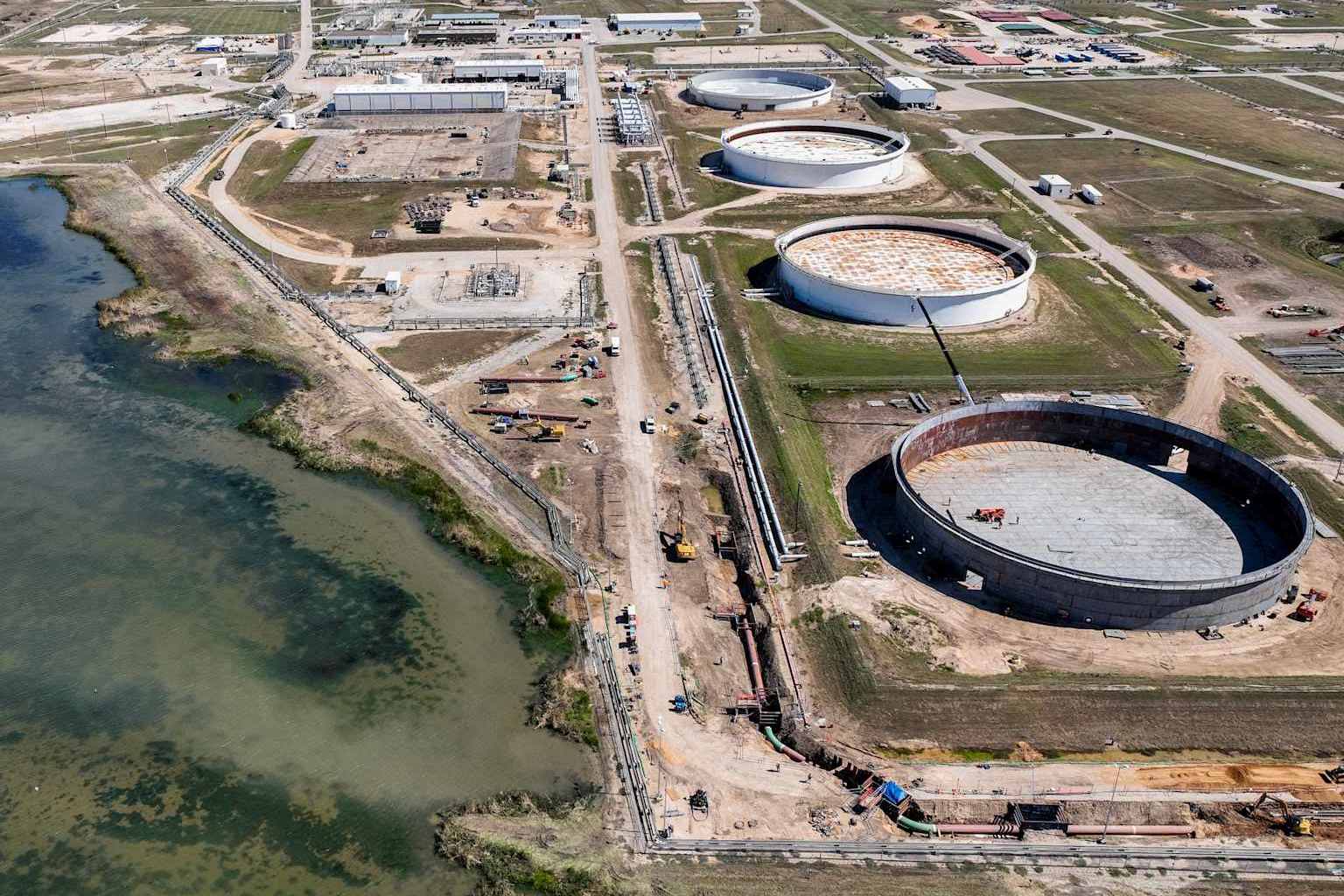
The buffers that absorbed the initial shock are now weakening in concert. The U.S. Strategic Petroleum Reserve fell to 286.6 million barrels at the end of August, its lowest level since 1982, according to the Department of Energy. The reserve has shed more than 125 million barrels since the war began in February. Meanwhile, China — which slashed crude imports by as much as 4 to 5 million barrels per day earlier this year — has begun purchasing again, removing what had been a critical source of market relief.newsgram+3
Drone strikes on September 10–11 damaged pumping stations along Saudi Arabia's East-West pipeline, forcing Aramco to shut the 1,200-kilometer line that had served as the kingdom's main alternative to Hormuz. Saudi Arabia said on Tuesday it had restored partial flows, but full repairs could take four to six weeks. The disruption briefly pushed WTI past $100 a barrel for 12 consecutive days before prices eased on rumors of a potential deal with Iran.eastdaley+2
With both of the Persian Gulf's major export routes constrained, attention has turned to whether the United States can fill the void. The answer, according to East Daley Analytics, is only partially. Permian-to-Gulf Coast crude pipelines are already running at 90–95% utilization, and U.S. crude exports have reverted to roughly 4 million barrels per day after a brief surge driven by SPR releases. Gulf Coast refineries are operating at 87–90% capacity, capping how much additional diesel and jet fuel can reach global markets. The prevailing 5–6 million barrel-per-day global supply gap, East Daley warned, "is far larger than what can be closed now."eastdaley
The crisis has also upended liquefied natural gas markets. Wood Mackenzie analysts said roughly 20% of global LNG supply — the share that transits the strait — is now treated as "interruptible," sending prices in Asia and Europe to highs last seen during the 2022 energy crisis. Chinese state importers including PetroChina and Sinopec China Petroleum & Chemical Corporation are negotiating long-term deals with suppliers that do not depend on Hormuz, according to Bloomberg, while Thailand announced a 10-gigawatt public solar program to reduce reliance on gas imports. Thailand's Energy Minister Akanat Promphan said the country needs to diversify "because otherwise we'll be subjected to what's happening in the Middle East forever," as reported by the Financial Times Pearson plc .oilprice
RBC Capital Markets Royal Bank of Canada warns Brent could surpass $120 by year's end, while Goldman Sachs The Goldman Sachs Group, Inc. forecasts a decline to around $55 a barrel by late 2027 as new supply comes online. For now, the market remains caught between depleting reserves and a conflict with no diplomatic resolution in sight.newsgram