Newsletter Subscribe
Enter your email address below and subscribe to our newsletter
[forminator_form id="25163"]

All voices matter
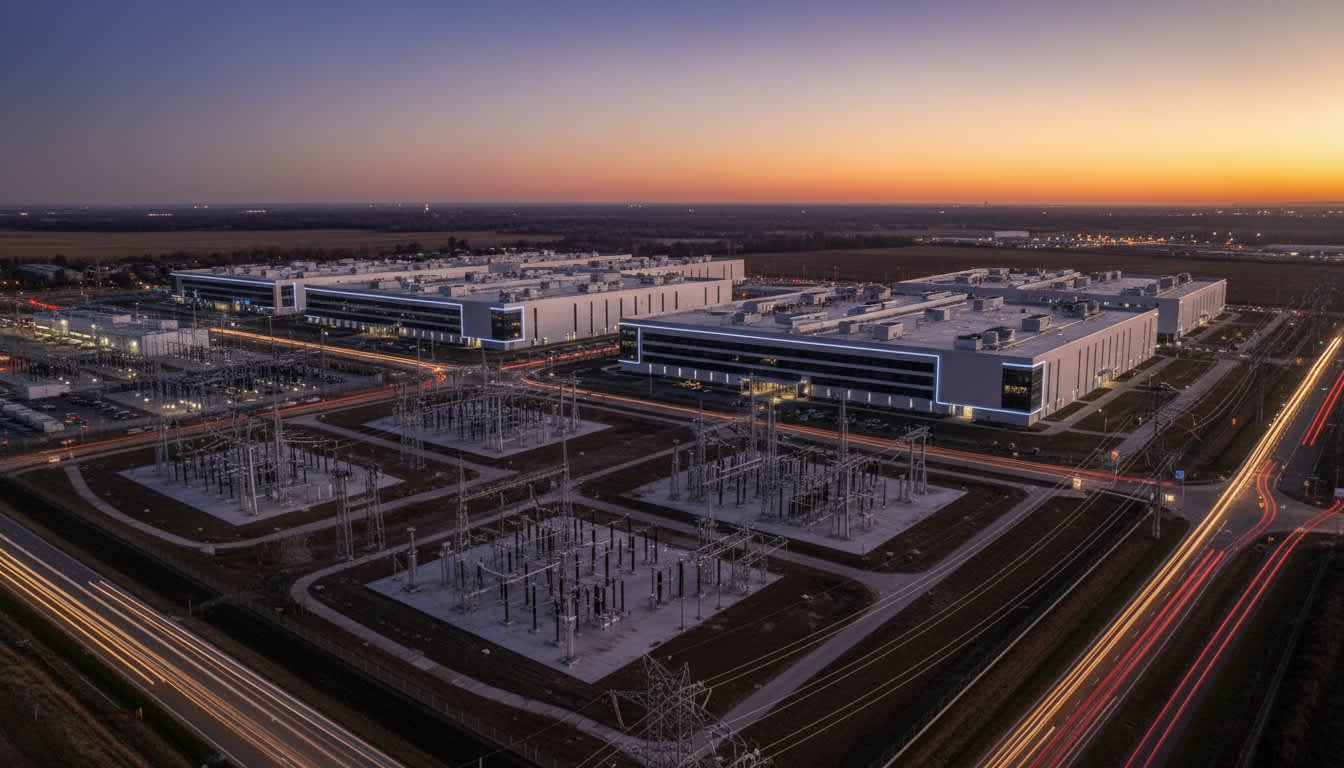
economictimes.indiatimes+1.bain.economictimes.indiatimes.Spending on artificial intelligence now exceeds what went into the railways or the internet during their booms, according to a Reuters analysis published Saturday. The analysis also warns that the payoff depends on productivity gains and profits that, economists say, have little evidence or historical precedent behind them so far.economictimes.indiatimes
The analysis cites a PwC projection that global spending on data centers alone could top $30 trillion by 2050. That is close to the value of all outstanding U.S. Treasuries, and PwC said it "dwarfs" what was spent in the railroad and dotcom booms, even after adjusting for inflation. PwC's report, modeled by Oxford Economics, gives a central estimate of $31.6 trillion within a range of about $22 trillion to $50 trillion. It expects annual spending to rise from about $800 billion in 2026 to $1.8 trillion in 2050.pwc+1
Bain & Company's seventh annual Global Technology Report puts a deadline on the problem. It says the AI industry will need $6 trillion in annual revenue by 2031 to pay for the computing power it is building. Existing consumer and business AI services could bring in $1.2 trillion to $1.8 trillion of that, leaving $4.2 trillion that would have to come from new sources. Bain points to AI models taking over from search engines and selling ads, self-driving vehicles and drones, robotics and "physical AI," and markets that don't exist yet, such as drug discovery and energy generation.bain
"AI infrastructure is being built well ahead of the demand curve and funding it sustainably will require adding approximately 1% to the annual global GDP growth rate," said David Crawford, chairman of Bain's global technology practice. Bain expects $5 trillion to $6.5 trillion in data center spending by 2030.moneyweb+1
The companies are spending heavily. Anthropic plans to spend $518 billion in the coming years, more than 100 times its 2025 revenue, according to an IPO prospectus seen by Reuters.economictimes.indiatimes
JPMorgan Chase wrote in August that broad productivity gains in the U.S. "remain elusive." The bank estimated that U.S. productivity would need to grow 3% to 5% a year for a decade to justify Nvidia's valuation. The Congressional Budget Office's baseline expectation is 1.75%. Columbia Business School economist Stijn Van Nieuwerburgh estimates U.S. AI investment could reach about $9 trillion between 2025 and 2032. He says the U.S. AI sector would need about $3.55 trillion in annual revenue by 2032 to earn a 10% return.economictimes.indiatimes
AI executives are still optimistic. Anthropic's Dario Amodei has said an AI future could be "a thing of transcendent beauty". Cambridge University economist Diane Coyle noted that past technologies took 10 to 50 years to show up in productivity figures. Still, she said, "As long as one is left with the infrastructure that's needed to support all the productivity effects down the road, that's okay".economictimes.indiatimes