Newsletter Subscribe
Enter your email address below and subscribe to our newsletter
[forminator_form id="25163"]

All voices matter
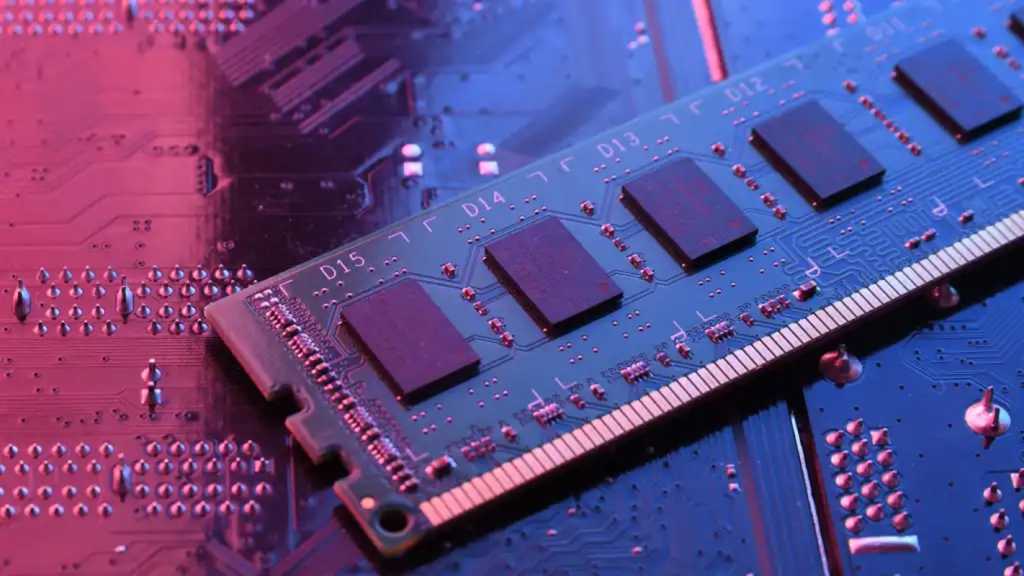
latestly+1bloomberginvesting+1A worldwide shortage of memory chips, fueled by insatiable demand from artificial intelligence data centers, is rippling through consumer electronics markets — raising smartphone prices in India, threatening to accelerate inflation in the United Kingdom, and intensifying geopolitical tensions between the United States and China over semiconductor supply chains.
Memory manufacturers have increasingly prioritized high-margin server chips for AI applications, tightening global inventories of DRAM and NAND components used in everyday devices. In India, major smartphone brands including iQOO and Redmi have raised prices by up to INR 13,000 (roughly $150), with the flagship iQOO 15 jumping from INR 72,999 to INR 85,999 at its base configuration. According to research firm Everstream Analytics, end prices for consumer electronics could increase by up to 20% due to higher production costs.latestly+1
The shortage traces back to a structural shift in the memory industry. Samsung warned in January that memory shortages would drive price increases industry-wide, with president Wonjin Lee telling Bloomberg that "it's going to affect everyone, not just Samsung". Gartner forecast DRAM prices to increase by 47% in 2026 due to undersupply in both traditional and legacy markets. Up to 70% of memory chip production globally in 2026 is destined for AI data centers, according to Everstream.everstream+1
In the United Kingdom, the memory crunch is contributing to broader inflationary pressures. Bloomberg reported that UK consumer price data due Wednesday is expected to show inflation accelerating for the first time in four months, with the median economist estimate predicting a 2.9% jump in July. Higher energy costs linked to the Iran conflict and AI-driven electronics price increases are both contributing factors.bloomberg
The shortage has also created a flashpoint in US-China relations. The Wall Street Journal News Corp reported Friday that Commerce Secretary Howard Lutnick directly told Apple that the administration opposes the company sourcing memory from Chinese manufacturers. Apple has been testing chips from ChangXin Memory Technologies and Yangtze Memory Technologies for possible use in devices sold in China.investing+1
Apple COO Sabih Khan said the scale of the shortage meant the company "had to examine all available options, including helping existing suppliers expand US production". Micron Technology has lobbied the administration to block the purchases, arguing they would undermine domestic manufacturing. In July, US senators wrote to Apple CEO Tim Cook urging the company to commit to avoiding the Chinese suppliers by August 21.appleinsider+1
The dispute underscores a central tension: as AI demand reshapes global chip markets, consumer electronics makers face rising costs with few easy alternatives — and the geopolitics of semiconductors continues to narrow their options.