Newsletter Subscribe
Enter your email address below and subscribe to our newsletter
[forminator_form id="25163"]

All voices matter
finance.biggo+1idc+1finance.biggo+1The artificial intelligence boom is no longer confined to the cutting edge of semiconductor manufacturing. Its appetite for chips is now spilling into mature process technologies, tightening supply of peripheral components and driving up costs across the electronics supply chain — from data center power management ICs to the smartphone in your pocket.
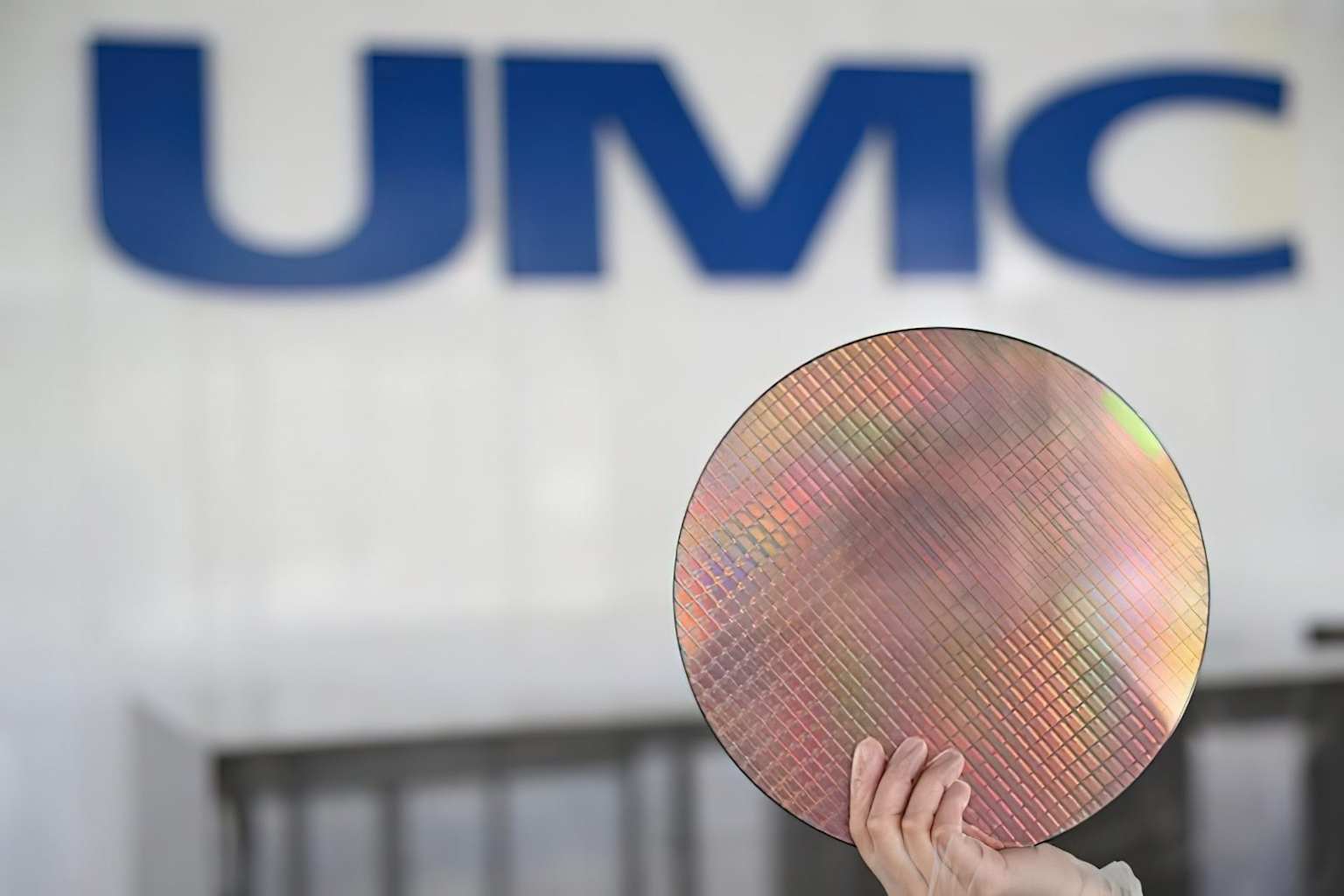
UMC United Microelectronics Corporation , one of the world's largest mature-node foundries, implemented wafer price increases of 5% to 15% effective July 1, covering both 8-inch and 12-inch wafers, and has signaled steeper hikes ahead for 2027. Powerchip Semiconductor Manufacturing Corp. raised DRAM prices by 45% in July and hiked power management and display driver chip prices by 10% to 15%, citing structural supply shortages it expects to extend into next year. Multiple foundries including Vanguard International Semiconductor, Nexchip, and SMIC have issued similar increases of 5% to 20% for the second half of 2026.finance.biggo+3
The root cause is surging AI server demand for mature-node chips such as power management ICs, which are essential to running GPU-dense data centers. TrendForce projects that mature-node price pressures will extend through 2027, with both 8-inch and 12-inch capacity tightening simultaneously. Lead times for power management ICs have stretched to 40 to 52 weeks.globx+2
The squeeze is acutely felt in the smartphone market. According to Counterpoint Research, memory prices rose more than 80% quarter-on-quarter in Q2 2026, with memory now accounting for more than 40% of the bill of materials in premium smartphones. IDC forecasts worldwide smartphone shipments will fall 16.7% in 2026 to just over one billion units, while average selling prices climb 27.6% to $581.dailypioneer+2
Smartphone prices have risen roughly 21% on average in India and 15% globally in 2026, according to the Daily Pioneer. Manufacturers are responding by reducing storage capacities, simplifying camera configurations, or reintroducing 4G models in lower-end segments. The sub-$180 segment is under particular strain because memory represents a larger share of total component costs at that price point.dailypioneer
Intel CEO Lip-Bu Tan warned earlier this year that the memory chip shortage will persist, telling a Cisco conference, "There's no relief as far as I know," adding that key memory players told him supply would remain constrained until 2028. Micron echoed that outlook, indicating supply constraints may only ease meaningfully from 2028 onward. Samsung and SK Hynix — the world's two largest memory makers — have seen stockpiles fall below 10 days of inventory as high-bandwidth memory production for AI consumes an outsized share of DRAM fabrication capacity.finance.yahoo+2
New fab capacity from Micron and SK Hynix is not expected to reach volume production until 2027 at the earliest, leaving the industry bracing for at least another year of tight supply and elevated prices across both advanced and mature semiconductor nodes.tech-insider