Newsletter Subscribe
Enter your email address below and subscribe to our newsletter
[forminator_form id="25163"]

All voices matter
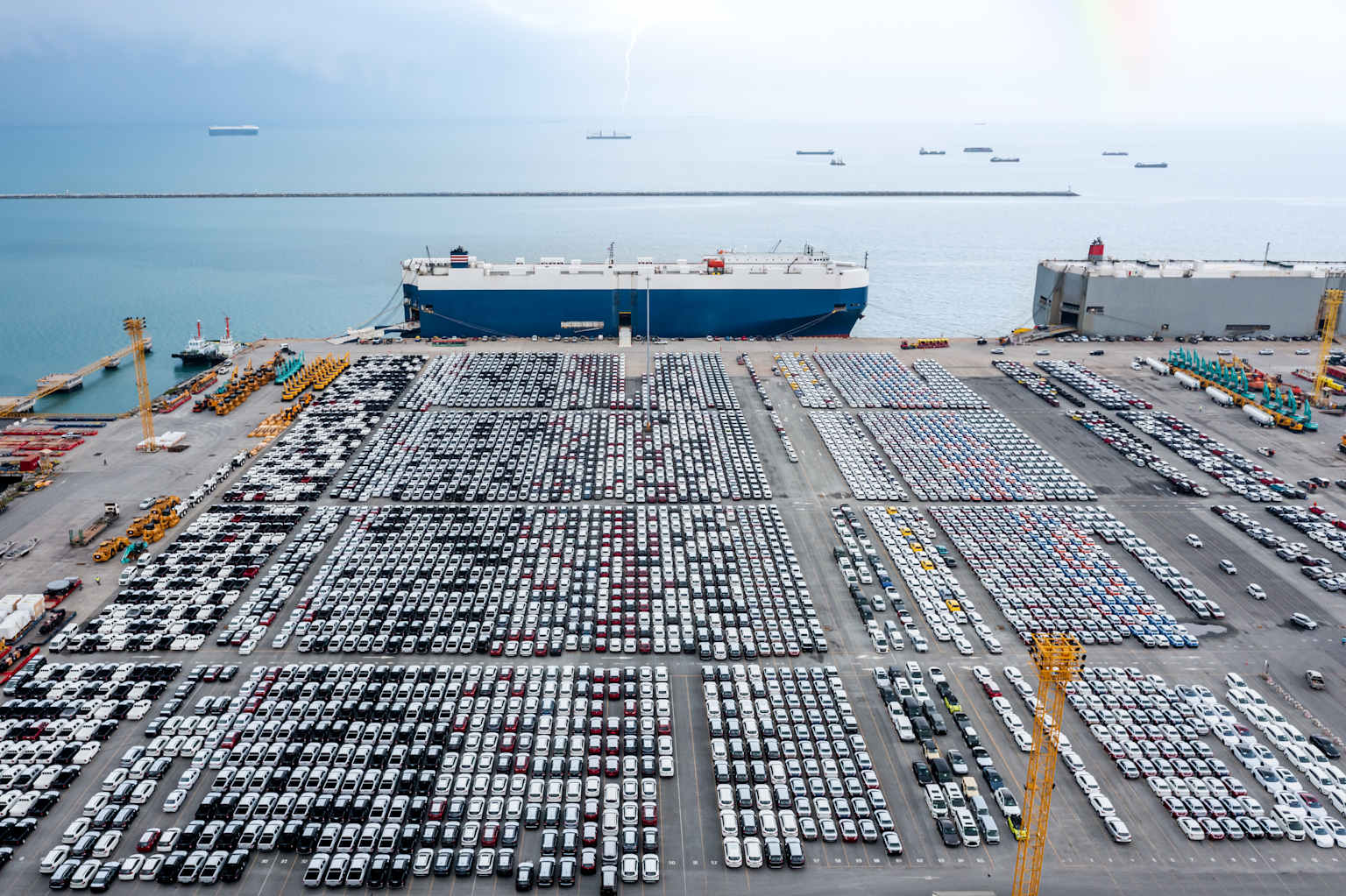
facebook+1reuters+1facebookThe average price of a new electric vehicle globally fell below that of a hybrid for the first time last year, according to a report from Nikkei Asia, marking a milestone driven by plunging battery costs and the rapid expansion of low-cost Chinese automobiles into markets worldwide.facebook+1
The price crossover reflects years of declining battery costs that have fundamentally altered the economics of electric cars. BloombergNEF's 2025 battery price survey found that lithium-ion pack prices fell 8% to $108 per kilowatt-hour on average globally, with EV-specific packs dropping below the $100/kWh threshold for a second consecutive year. In China, average battery prices fell 13% to just $84/kWh, giving domestic manufacturers a structural cost advantage over rivals elsewhere.about.bnef
Those savings have translated directly into vehicle sticker prices. In China, more than 200 electric and hybrid models are now priced below $25,000, with entries from BYD, Geely, and Wuling starting as low as $6,500.facebook
Chinese automakers shipped a record 3.43 million EVs abroad in 2025, a 70% surge from the prior year, with exports valued at roughly $70 billion, according to Reuters Thomson Reuters Corporation and think tank Ember. Europe remained the largest destination by value, absorbing nearly $9.7 billion worth of Chinese battery-electric vehicles in 2025 alone. Southeast Asia and other emerging markets have also seen rapid uptake as affordable Chinese models undercut incumbents.reuters+2
The International Energy Agency's Global EV Outlook 2026, published in July, noted that global electric car sales exceeded 20 million units in 2025, growing 20% year-over-year, and are expected to reach 23 million in 2026.iea+1
The price inversion puts additional pressure on legacy automakers, particularly Japanese manufacturers that had bet heavily on hybrids as a bridge technology. In the United States, the average transaction price gap between EVs and gasoline-powered vehicles narrowed to roughly $6,200 in early 2026, according to Cox Automotive data cited by CNBC. As Chinese competition intensifies globally, established carmakers face the prospect of either matching prices or ceding market share in what has become the fastest-growing segment of the auto industry.cnbc