Newsletter Subscribe
Enter your email address below and subscribe to our newsletter
[forminator_form id="25163"]

All voices matter
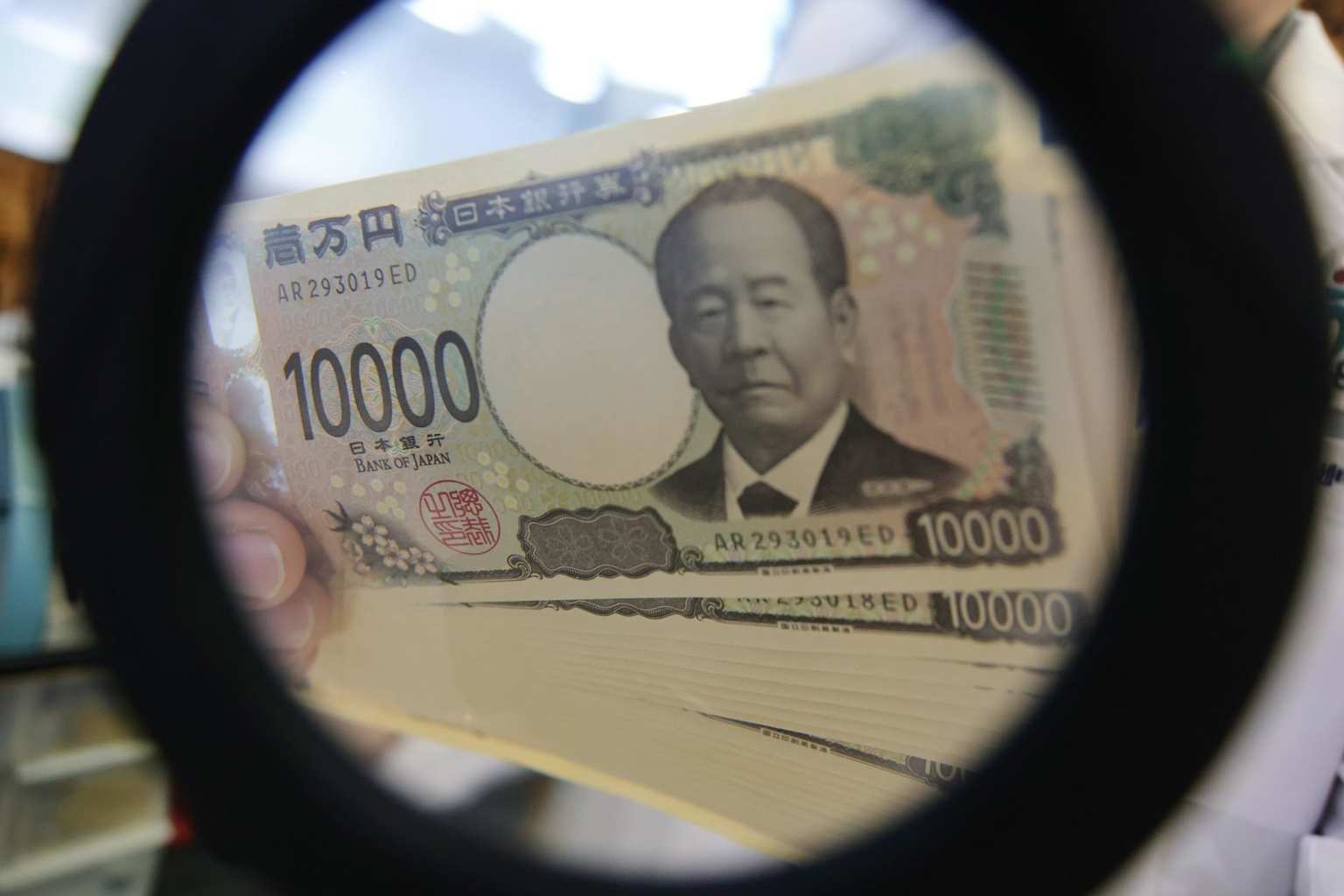
bbc+1reuterskoreatimesThe United States and Japan last week carried out their first coordinated yen-buying intervention since 2011, deploying tens of billions of dollars to arrest the Japanese currency's slide to 40-year lows and sending ripples across Asian foreign exchange markets.
Japan's Finance Ministry confirmed on Monday that it acted jointly with the U.S. Treasury Department on August 1 to counter "excessive volatility and disorderly movements in the Japanese yen in recent months." Bank of Japan data indicated Tokyo may have sold as much as $58.97 billion to buy yen when it intervened unilaterally in New York markets on July 30, followed by the confirmed joint operation the next day.bbc+1
Treasury Secretary Scott Bessent posted on social media that Washington "strongly support[s] Japan's decisive market and monetary steps to correct the substantial undervaluation of the yen." A Reuters photograph captured a handwritten note in front of Bessent at a cabinet meeting reading "Buy Japanese Yen (JPY) $5-10 bil." President Donald Trump framed the effort as a gesture of alliance: "They have a weakening yen, and they wanted a little bit of help. And we're always there for Japan."reuters+2
The dollar retreated from near 164 yen — its highest since 1986 — to around 157 yen by Friday's close. Bloomberg reported Monday that market attention has now shifted to whether the yen can break below 155 per dollar, a level that previous interventions in April and May failed to hold.bloomberg+1
Analysts identified the Korean won as the biggest Asian currency winner from the intervention. Stephen Chiu, chief emerging markets FX strategist at Bloomberg Intelligence, said suppression of the dollar-yen rate "should favor a lower dollar-won rate, with the Korean won emerging as a clear beneficiary." The won strengthened 8.81 percent against the dollar in July — its best monthly performance since March 2009 — supported by exporter dollar selling and inflows linked to SK Hynix's American depositary receipt issuance.koreatimes
Barclays noted the won, Singapore dollar, and Thai baht are the most yen-sensitive Asian currencies. "Given the potentially coordinated nature of the recent intervention, the spillover into Asian foreign-exchange markets could be larger than historical betas alone would imply," said Shinichiro Kadota, head of Japan FX strategy at Barclays.koreatimes
Despite the intervention, Japan's bond market showed strain. A 10-year government bond auction on Monday drew a bid-to-cover ratio of just 2.56, the weakest in over a year, as markets priced in an accelerated Bank of Japan rate hike. The probability of a September rate increase, as reflected in overnight index swap markets, rose to 47 percent — nearly double pre-meeting levels.mk
BOJ Governor Kazuo Ueda added fuel to those expectations, saying after July 31's policy meeting that "the risk of inflation is growing" and that the central bank could "speed up the rate hike" if necessary. The 10-year yield climbed to 2.87 percent intraday, its highest in about a month.mk