Newsletter Subscribe
Enter your email address below and subscribe to our newsletter
[forminator_form id="25163"]

All voices matter
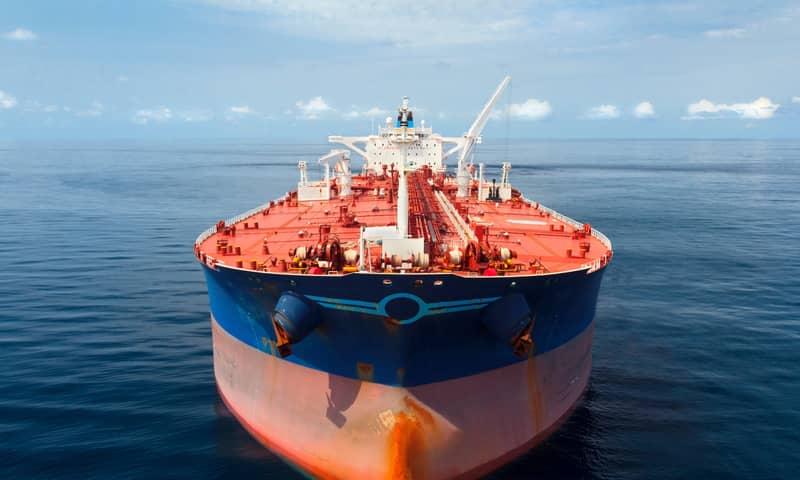
reuterscnbc+1reuters+1Crude oil prices climbed on Friday as ongoing disruptions to shipping through the Strait of Hormuz and Houthi attacks in the Red Sea continued to squeeze global supply, with a Reuters poll of analysts forecasting further price gains through the rest of the year.
The July survey of 31 economists and analysts projected Brent crude would average $85.22 a barrel in 2026, up from June's forecast of $84.50, while U.S. crude was projected to average $80.14, up from $79.49 the previous month. WTI crude futures rose on Thursday, with front-month contracts gaining nearly 2%.reuters+1
The U.S.-Iran conflict, which began in late February, has sharply curtailed traffic through the Strait of Hormuz, a waterway that previously carried about a fifth of global crude oil and natural gas supplies. Back-and-forth attacks in recent days have ended a brief pause in hostilities between the two countries.reuters
"The key support remains the geopolitical risk premium associated with the Iran conflict, which is likely to persist through the second half of the year and keep volatility elevated," said UniCredit analyst Tobias Keller.reuters
The IEA's May oil market report warned that cumulative supply losses from Gulf producers had already exceeded 1 billion barrels, with more than 14 million barrels per day of oil shut in. The agency now expects global oil demand to fall by 1 million barrels per day in 2026, the first annual decline since the COVID-19 pandemic, before rebounding with a 2 million barrel per day increase in 2027.reuters+3
Beyond crude supply, European fuel markets face a separate crisis driven by attacks on refining infrastructure. European jet fuel refining margins remained above $80 per barrel on July 29, according to LSEG data — a level never reached before 2026. The European Central Bank noted in a blog post that diesel refining margins contributed €0.35 per litre to retail fuel prices across the euro area in the first three weeks of July, up from €0.10 before the Iran conflict.reuters+1
OPEC has lowered its 2026 oil demand growth forecast for a third consecutive month, cutting its projection to 780,000 barrels per day from 970,000 barrels per day previously. The producer group and its allies are expected to pause output increases for three months starting in October after a September production hike.reuters+2
Phil Flynn, senior analyst with Price Futures Group, said normalization of oil flows from the Gulf would take four to six months after a durable ceasefire, with his base case assuming full normalization by early 2027.reuters