Newsletter Subscribe
Enter your email address below and subscribe to our newsletter
[forminator_form id="25163"]

All voices matter
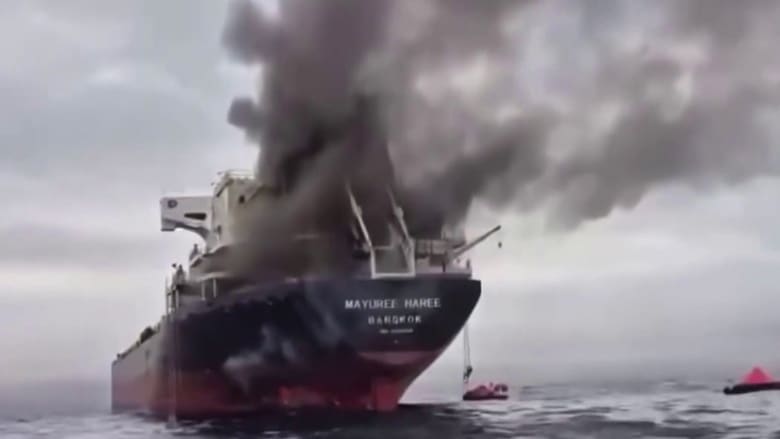
nampa.org+1.haberintelifi.aa.com.tr+1.hamerintel.com+1.Iran's navy said on Tuesday, October 27, that an oil tanker struck naval mines and caught fire east of the Strait of Hormuz after switching off its tracking systems. The navy said the strait remains "unsafe and closed" to ships that do not coordinate their passage with Tehran. The statement was carried by the official IRNA news agency and reported by Anadolu Agency. It is the latest in a run of mine incidents that Iran has announced since tightening its control of the waterway.haberintelifi.aa.com.tr
"A few hours ago, an oil tanker in breach of regulations, having switched off its tracking systems and attempted to cross a prohibited and dangerous area east of the Strait of Hormuz, struck naval mines, causing damage and a fire," the army said, according to AFP. The navy did not name the tanker or give its flag, and it said nothing about the crew or any casualties. It said ships wanting safe passage must coordinate with Iran's armed forces.nampa.org+1
As of the first reports, the ship's owner, its flag state and independent maritime security firms had not confirmed the incident, according to Hamer Intelligence Services.hamerintel.com
On Monday, October 26, the UK Maritime Trade Operations (UKMTO) said it had received several third-party reports of a vessel on fire about 63 nautical miles southeast of Al-Faw, Iraq. UKMTO listed the incident as suspicious activity and did not identify the ship or give a cause. The crew's status and the extent of the damage were unknown. In a separate notice the same day, UKMTO reported that an outbound tanker had been hit by an unknown projectile in the Strait of Hormuz on October 23, which disabled the ship. Its crew were reported safe.gcaptain.com+1
Brett Erickson of Obsidian Risk Advisors told The Maritime Executive that the Al-Faw fire was the 10th suspected Iranian strike on a ship this month. He said it points to escalation, because the area lies hundreds of miles northwest of Hormuz and outside US air protection.maritime-executive.com
Iran took control of the strait after war with the United States and Israel broke out in late February. It now requires ships to get its permission before crossing a route that normally carries about a fifth of the world's oil. In mid-October, Iran's Revolutionary Guards said two tankers, each carrying about 2 million barrels of crude, caught fire after hitting mines, though no one independently confirmed it. Washington has answered with a naval counter-blockade of Iranian oil exports. Talks between the US and Iran, which began after a memorandum of understanding signed in June, later broke down over disagreements about navigation through the strait.english.aawsat.com+2