Newsletter Subscribe
Enter your email address below and subscribe to our newsletter
[forminator_form id="25163"]

All voices matter
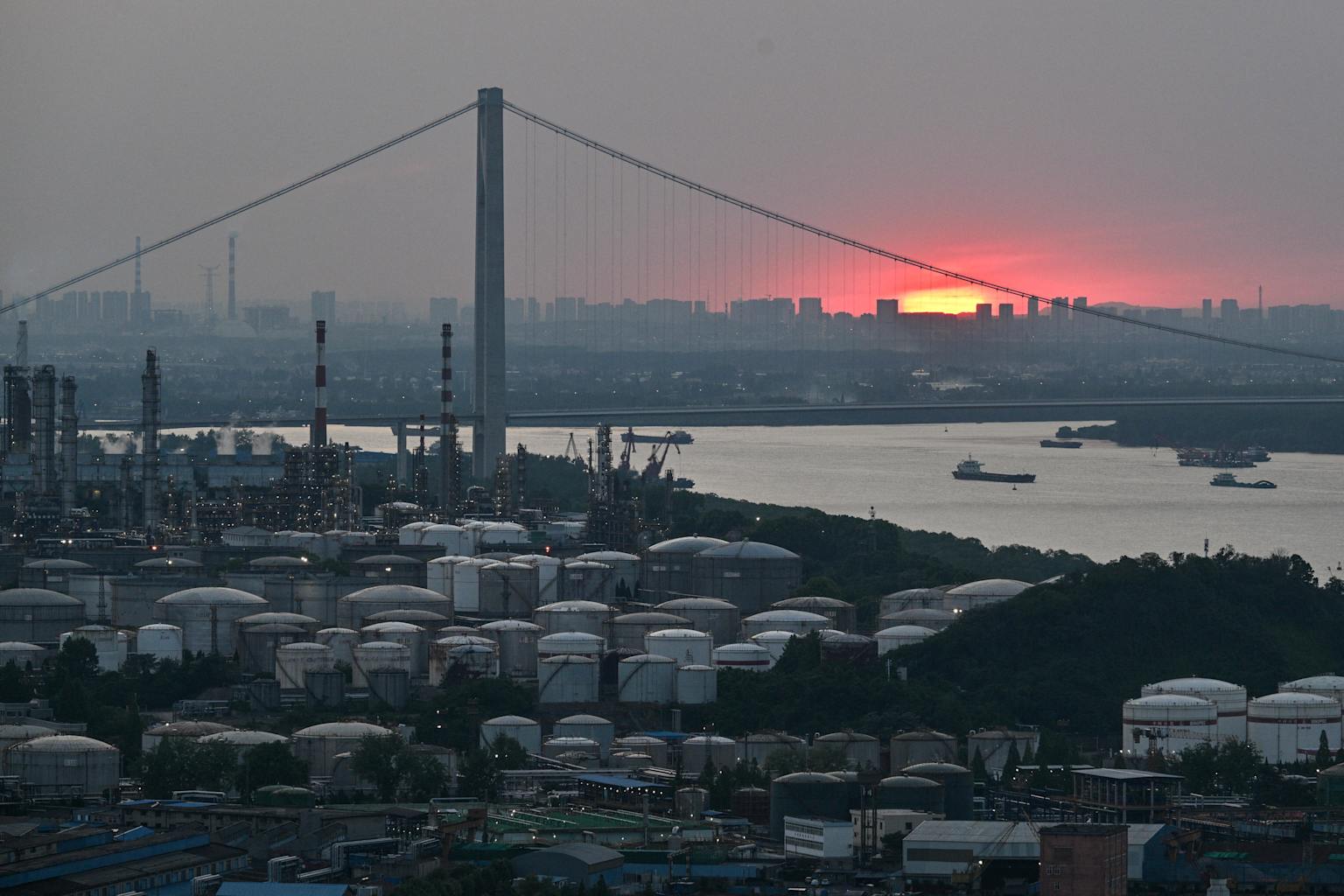
slguardianaljazeera+1aljazeeraChina's carefully managed drawdown of its oil reserves, which helped cushion the global economy from the worst effects of the US-Iran conflict, is giving way to a more precarious phase as the world's largest crude importer is forced back into an increasingly tight market.
Before the war began in late February, China was importing roughly 12 million barrels of crude per day and had built its strategic and commercial stockpiles to an estimated 1.4 billion barrels. When Iran blocked the Strait of Hormuz, Beijing responded by slashing imports and drawing on those reserves, helping prevent an even sharper spike in global prices. Chinese crude imports averaged just 8.1 million barrels per day in the second quarter — about 32 percent below the first quarter, according to the U.S. Energy Information Administration.aljazeera+1
But that restraint is fading. Imports rose to roughly 8.9 million barrels per day in August, up from 7.1 million in June, as refiners ramped up output and Beijing eased restrictions on refined-fuel exports. Bob McNally, founder of Rapidan Energy Group, said China was now "coming back off its crash diet," with renewed purchases coinciding with the closure of Saudi Arabia's East-West pipeline following attacks by Iran-backed militants in Iraq.dailycaller+1
The pipeline shutdown removed a crucial alternative route for Middle Eastern crude after the Strait of Hormuz was blocked. Shanghai oil futures surged to $129 a barrel on Wednesday, surpassing their previous wartime peak, while Brent spot prices hit $146 a barrel. Energy Aspects estimated the market was short roughly 5 million barrels a day of crude and refined fuels.slguardian
Chinese refiners have scrambled for Russian ESPO crude, with seaborne imports from Russia reaching 1.68 million barrels per day in August, according to Kpler data. But Russia, Latin America, and Africa can only partially fill the gap. "For crude in particular, they are looking to get any supply that is available in the market out there," energy analyst Marc Ayoub told Al Jazeera. "That will add pressure, and that will increase prices more."aljazeera
The oil squeeze has raised the diplomatic stakes ahead of a planned September 24 meeting between President Xi Jinping and President Donald Trump in Washington. Chinese Foreign Minister Wang Yi met his Iranian counterpart Abbas Araghchi in Beijing on Wednesday, urging all parties to reopen the Strait of Hormuz. U.S. Treasury Secretary Scott Bessent said the Xi-Trump talks would include discussions on Iran and China's financial ties with Tehran.forbes+2
The New York Times reported that China's transformation into an energy power — with vast reserves, expanded refining capacity, and rapid electric vehicle adoption — has reshaped the geopolitical calculus. Julian Gewirtz, a former Biden administration official, warned that if Beijing's leaders conclude their energy vulnerabilities are smaller than previously assumed, "that is profound and is one of the keys to how China makes decisions about its global strategy."nytimes