Newsletter Subscribe
Enter your email address below and subscribe to our newsletter
[forminator_form id="25163"]

All voices matter
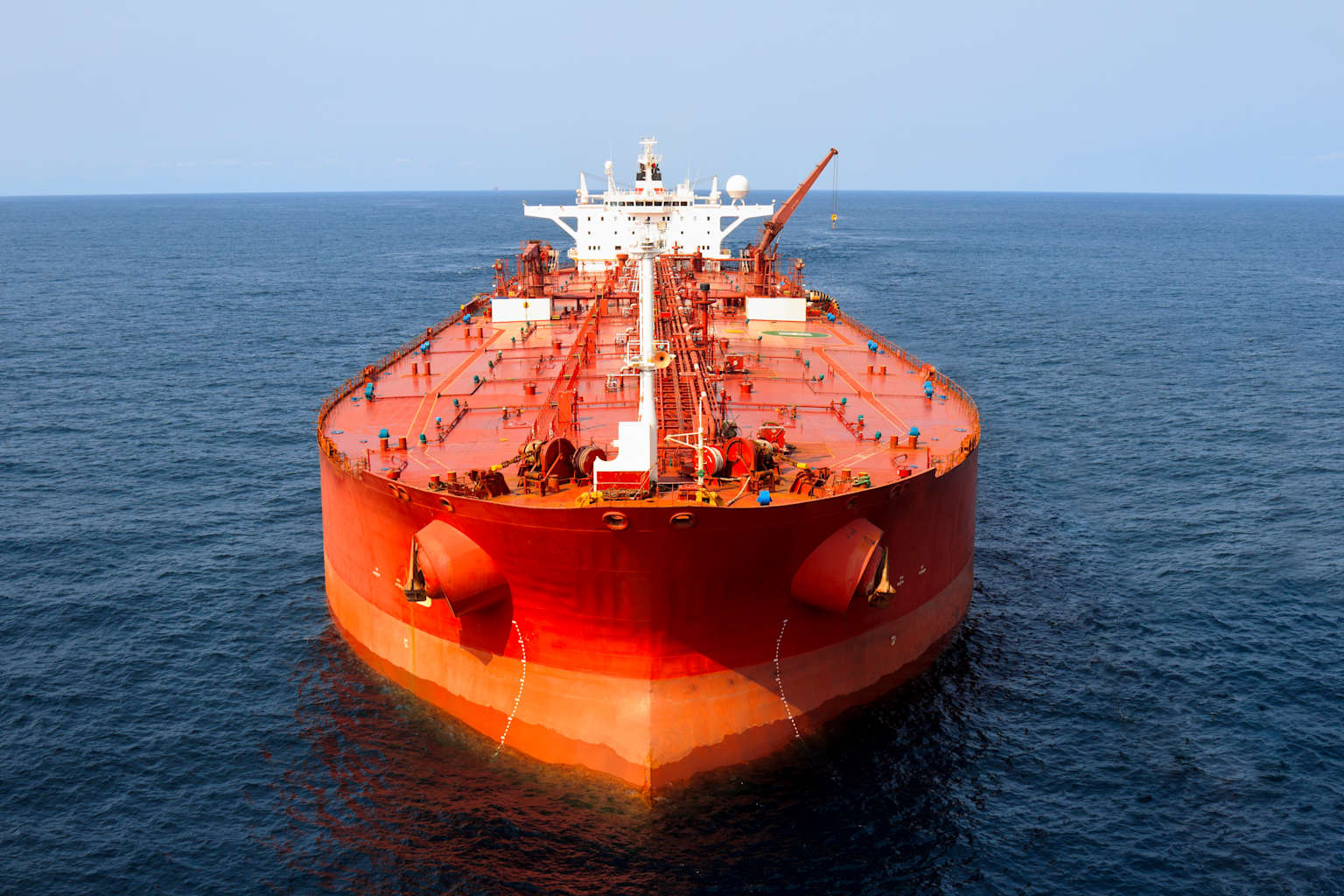
reuterscnn+1globalbankingandfinanceShipowners have ordered more than twice as many supertankers this year as in all of 2025, a buying spree worth over $20 billion that marks the largest such wave in at least 25 years, as the US-Iran war redraws global oil trade routes and drives demand for long-haul crude shipments.globalbankingandfinance+1
Data from Signal Group, a shipping analytics platform, show 217 Very Large Crude Carriers ordered so far in 2026, compared with 93 last year. Allied Shipbroking recorded 164 VLCC orders, up from 83. Each VLCC carries about two million barrels of oil and costs roughly $130 million to build.reuters+1
The ordering frenzy reflects a new reality for energy markets. The Strait of Hormuz, through which about one-fifth of global oil and liquefied natural gas supplies flowed before the war, has been virtually closed since late February. A drone attack from Iraq shut down Saudi Arabia's East-West pipeline on September 12, removing another route for Gulf crude and leaving the pipeline out of service for weeks.carraglobe+4
Since the pipeline was hit, VLCC spot prices have climbed above $500,000 per day, up from about $132,000 in February before the war began, according to Allied Shipbroking. Brent crude has traded above $105 per barrel this week, while U.S. diesel prices reached a record $5.85 per gallon in early September, surpassing the previous peak set during the 2022 energy crunch following Russia's invasion of Ukraine.nytimes+6
With Middle Eastern supplies disrupted, U.S. crude exports have hit record highs, and Atlantic basin producers are ramping up output. Countries on South America's east coast — led by Brazil, Guyana, and Argentina — could add around 2.5 million barrels per day of production through 2030, largely feeding European and Asian markets, according to Ioannis Papadimitriou, an analyst at the data intelligence firm Vortexa.globalbankingandfinance
"We believe owners betting on increased long-haul shipments from the Atlantic to Asia are playing a large part in the renewed demand for VLCC ordering," said Rebecca Galanopoulos, senior analyst at Veson Nautical.globalbankingandfinance
Frontline CEO Lars Barstad told a conference in Norway that Saudi Arabia "will need to participate in this business to a much greater degree … at least temporarily," as Middle Eastern producers find shipowners unwilling to risk Iranian attacks by transiting the strait.globalbankingandfinance
At the World Trade Organization's Public Forum in Geneva this week, Oman's Permanent Representative Idris bin Abdulrahman al Khanjari warned that the disruptions "rapidly increase shipping, insurance, energy and food costs" with disproportionate consequences for developing economies that rely on imports and have limited capacity to absorb external shocks. Oman said it continues consultations with Iran and Gulf states to facilitate safe navigation through the strait.omanobserver
Demand is now so acute that brokers at Pareto Securities estimated it is more expensive to buy a 10-year-old oil tanker than to order a new one.globalbankingandfinance