Newsletter Subscribe
Enter your email address below and subscribe to our newsletter
[forminator_form id="25163"]

All voices matter

mezha+1nytimes+1mezha+1The yield on the 10-year US Treasury bond surpassed 5% on Monday for the first time since October 2023, as escalating Middle East conflict, surging oil prices, and mounting concerns over artificial intelligence debt sent shockwaves through global financial markets.
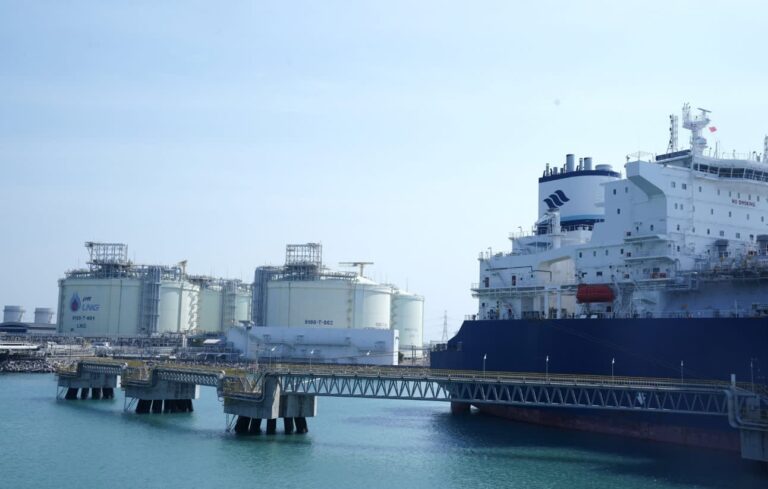
According to electronic trading platform Tradeweb, the benchmark yield rose to 5.012% during intraday trading on September 14, marking a level not sustained since 2007. The immediate catalyst was the closure of Saudi Arabia's East-West pipeline following drone strikes launched from Iraqi territory on September 10-11, which knocked offline a critical route for bypassing the Strait of Hormuz chokepoint. Brent crude jumped more than 4% on Monday, breaking above $108 per barrel, while US diesel prices climbed to a record $6.23 per gallon.mezha+4
The pipeline will be out of service "for weeks," according to the Associated Press, citing regional officials. Reuters reported oil prices continued rising on Tuesday as concerns over supply disruptions lingered.morningstar+1
With consumer and producer prices already running above expectations, the energy shock has reshaped expectations for the Federal Reserve's two-day meeting that began Tuesday. Prediction markets on Kalshi placed the probability of a 25-basis-point rate hike at 86% as of Monday, while CBS News reported that odds jumped to nearly 90% following the latest CPI report. Fed Chair Kevin Warsh is scheduled to hold a press conference on Wednesday.cbsnews+1
The Bank for International Settlements added to the anxiety on Monday, warning that the AI-driven investment boom poses growing financial stability risks. According to Reuters, aggregate borrowing by technology companies surged from about $22 billion in 2010 to more than $1 trillion in 2025, now representing 44% of total private credit. The BIS flagged off-balance-sheet borrowing and interconnected financing arrangements as particular concerns.economictimes+1
Leading AI executives — including Anthropic CEO Dario Amodei, OpenAI chief Sam Altman, and SpaceX head Elon Musk — called for development to be slowed, citing potential risks from increasingly powerful systems. The warnings triggered a sell-off in technology stocks: the Nasdaq Composite dropped 0.6%, semiconductor stocks fell 6%, and Nvidia declined 3.4%. Cybersecurity firms bucked the trend, with CrowdStrike surging 14% and Palo Alto Networks gaining 13%.mezha
The sell-off extended well beyond US borders. In the United Kingdom, 30-year gilt yields rose to their highest since 1998, while Germany's 10-year bund yield hit levels not seen since 2009. South Korea's Kospi fell 3.3%, and Japan's Nikkei 225 declined 0.8%.mezha
Scott Bessent, US Secretary of the Treasury, has attempted to stabilize long-term yields by expanding buyback operations for 10- to 30-year securities. But as Jack Griffiths of CreditSights noted, the underlying conditions remain in place for continued sell-offs, suggesting the 10-year yield could reach 5.5%. Citi US equity strategist Scott Chronert called 5% the market's "Maginot Line," warning of the potential for further stock market shocks.asiae