Newsletter Subscribe
Enter your email address below and subscribe to our newsletter
[forminator_form id="25163"]

All voices matter
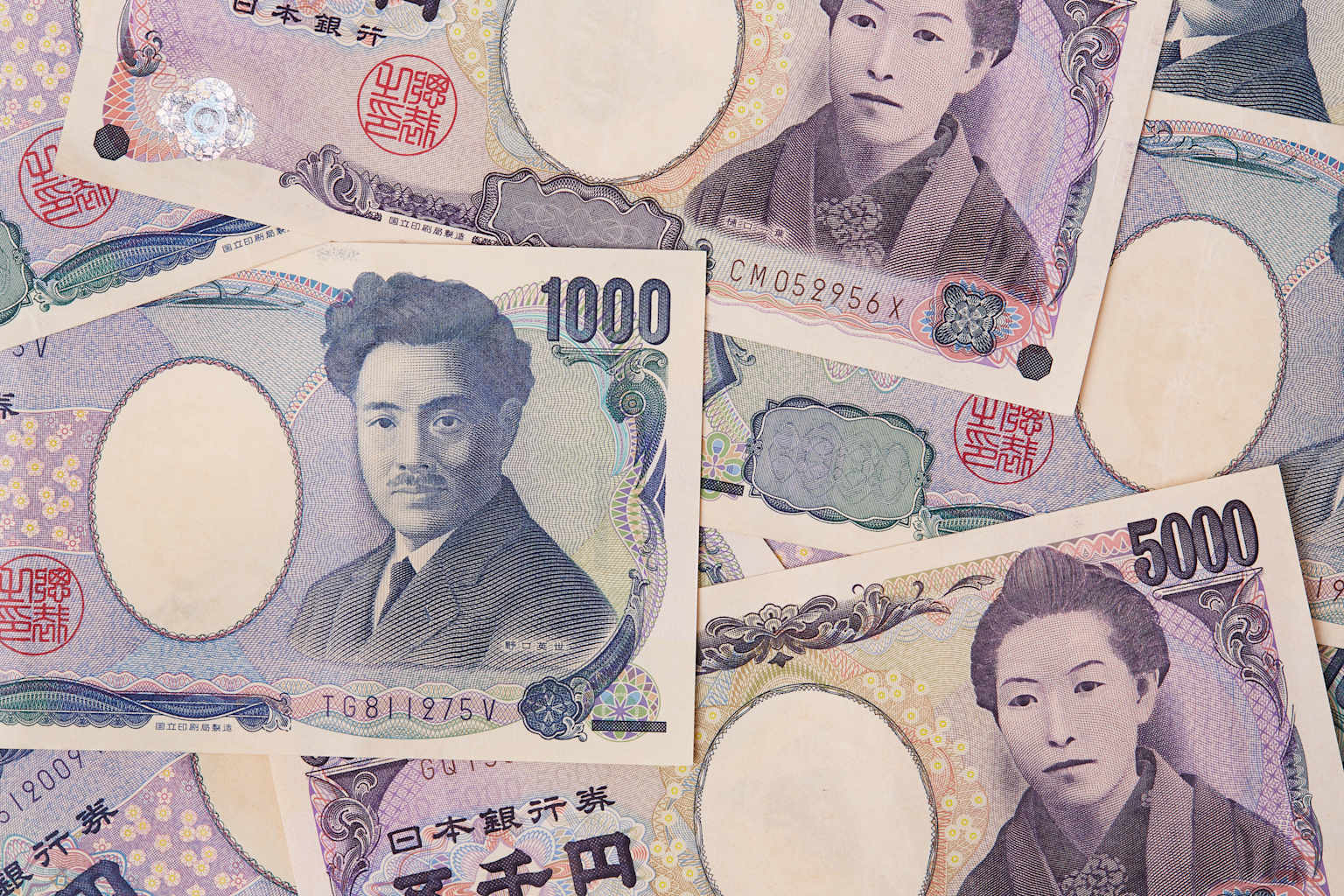
forex+1reuters+1investingliveThe dollar surged past 163 yen on Tuesday, reaching its highest level against the Japanese currency since December 1986 and intensifying expectations that Tokyo may step in to arrest the yen's slide. The USD/JPY pair rose as much as 0.3% to hit 163.04, according to GuruFocus, breaking out of its recent July range to trade at fresh yearly highs.gurufocus+1
The move was driven by rising U.S. Treasury yields and climbing oil prices, extending a relentless weakening trend that has seen the yen lose ground for four consecutive quarters against the dollar.wise+1
The yen's decline reflects a confluence of forces that have conspired against the currency throughout 2026. The wide interest rate differential between the United States and Japan remains the dominant driver, with traders betting the Federal Reserve will hold rates steady or even raise them to combat inflation spurred by the oil shock from the U.S.-Israeli war with Iran, according to CNN.cnn
The dollar's safe-haven appeal amid Middle East tensions has further compounded the pressure. The U.S. Dollar Index is up roughly 3% this year after tumbling 9% in 2025. Japan's heavy reliance on energy imports means higher crude prices directly worsen its trade balance, adding structural weakness to the yen.cnn
Market participants are on high alert for action from Japan's Ministry of Finance. Nomura warned earlier this year that intervention was likely in the 161-to-163 range, noting that Tokyo's approach is to "punish one-way speculation rather than defend a fixed level". After the pair broke through 162 in late June, strategists pointed to 163 and beyond as the next thresholds, with some arguing the Finance Ministry may tolerate a weaker currency than during its 2024 intervention campaign.investinglive+1
Japan has already demonstrated its willingness to act. In early July, the yen jumped nearly 1% in a sudden move that left traders uncertain whether authorities had intervened, with the Ministry of Finance declining to comment.reuters+1
Analysts broadly agree that a durable recovery would require either a more hawkish Bank of Japan, lower U.S. yields, or a reduction in geopolitical risk. MUFG noted that softer U.S. inflation data in mid-July briefly reduced expectations for further rate hikes, but the respite proved short-lived as the dollar reasserted its strength. For now, the path of least resistance for USD/JPY remains higher — and so does the risk of a sudden, sharp reversal engineered by Tokyo.mufgresearch