Newsletter Subscribe
Enter your email address below and subscribe to our newsletter
[forminator_form id="25163"]

All voices matter
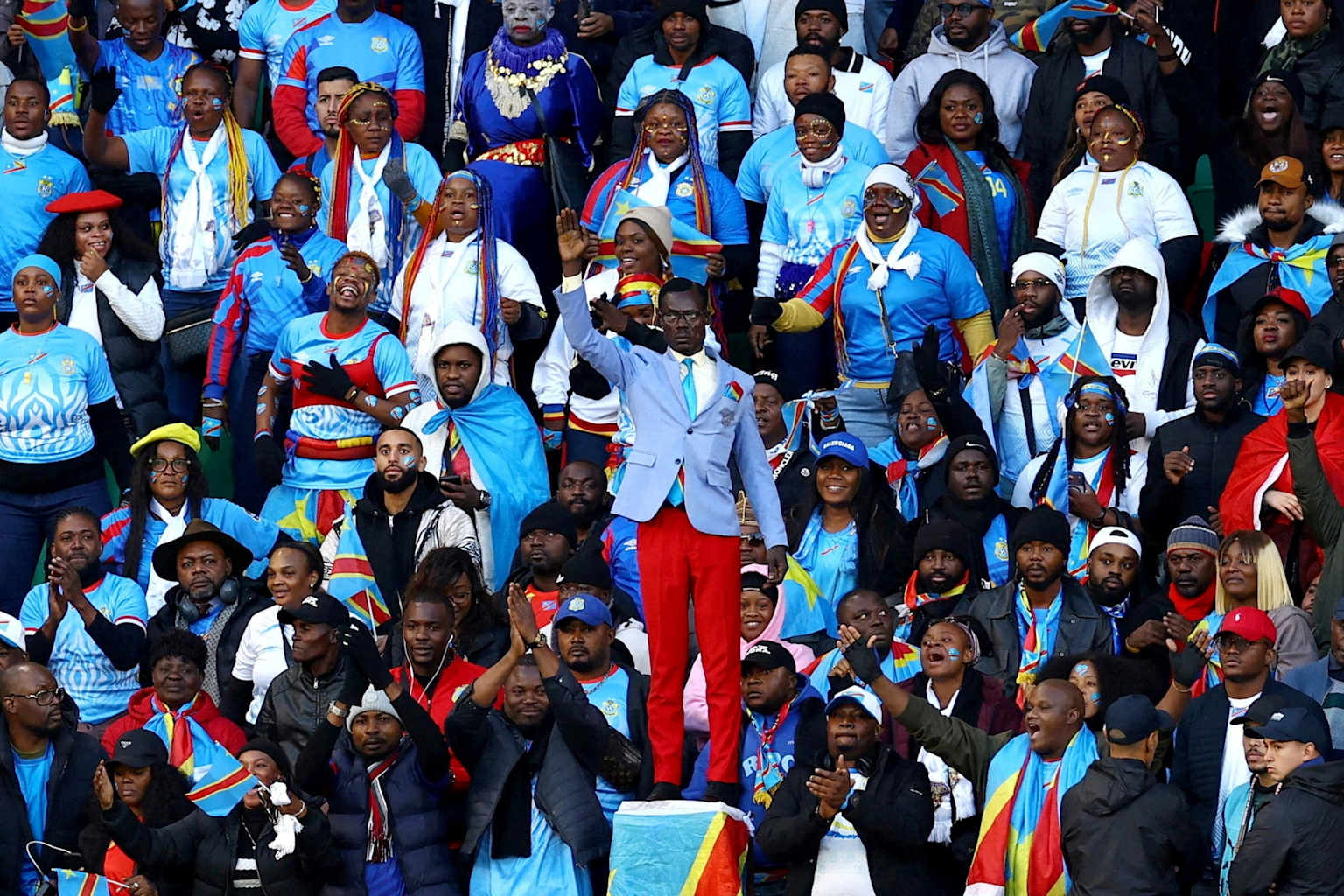
instagram+1bbc+1aljazeera+1As DR Congo prepares to face Uzbekistan in a decisive Group K match in Atlanta on Saturday evening, the broader story of the 2026 FIFA World Cup for African nations has been defined as much by what happens off the pitch as on it. Fans across the continent have been denied visas to the United States in large numbers, sparking anger from supporters and governments alike.
Michel Kuka Mboladinga, the DR Congo superfan known as "Lumumba Vea," was denied a visa ahead of the tournament despite intervention from sports officials in Kenya, where he had traveled to apply. He missed DR Congo's opening match against Colombia but eventually arrived in Mexico for the team's second group game against Portugal, becoming a symbol of the obstacles African fans have faced. His team now plays Uzbekistan at Mercedes-Benz Stadium on Saturday needing a win to advance.trtafrika+5
Senegal's supporters faced a similar fate ahead of their opening match against France on June 16 in East Rutherford, New Jersey. Al Jazeera reported that US visa regulations prevented many Senegalese fans from attending the match, with only around 300 tickets officially allocated to Senegalese supporters. France won 3-1. Fan groups from both Senegal and Ivory Coast had their visa applications rejected, forcing planned delegations to cancel trips entirely.facebook+4
The visa issue extends well beyond individual cases. According to BBC analysis, visa rejection rates for citizens of 11 of the 48 qualified nations exceeded 40 percent. NPR reported that 39 nations are under full or partial US travel bans, with the State Department halting all visa issuances for 19 countries. An executive order placed Senegal on a list requiring visa applicants to pay bonds ranging from $5,000 to $15,000.bbc+2
FIFA president Gianni Infantino deflected responsibility, saying the organization operates as a "sports organization" and cannot overrule government decisions on entry approvals. The US government has defended its position, stating the measures aim to ensure visa holders "do not pose a threat to national security or public safety". Al Jazeera reported that critics describe the Trump administration's border policies as discriminatory.npr+2
Over 40 members of Moroccan football associations were also denied visas despite holding match tickets and hotel reservations. The pattern has prompted a pointed response from affected communities. As the BBC's reporting captured the sentiment: fans see this as "a World Cup for them, not us".bbc+1