Newsletter Subscribe
Enter your email address below and subscribe to our newsletter
[forminator_form id="25163"]

All voices matter
aa+1windeurope+1aa+1The supply and price shock triggered by the US-Iran war has reshaped energy security policies across Europe and Asia, driving governments and industries to accelerate investment in renewable energy, storage, and electrification as they seek to reduce their exposure to volatile fossil fuel markets.
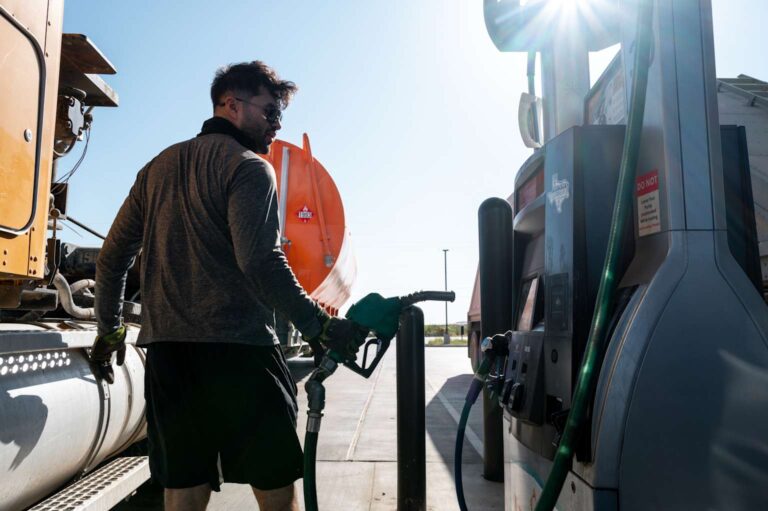
Since fighting began earlier this year, disruptions in the Strait of Hormuz — described by the International Energy Agency as the "largest supply disruption in the history of the global oil market" — have sent energy prices surging. Natural gas prices in Europe more than doubled from €31.96 per megawatt-hour in late February to a peak of €80.82 per megawatt-hour on September 11, while Brent crude climbed from $76.30 per barrel to as high as $126.41 on April 30, according to Anadolu Agency.aa+1
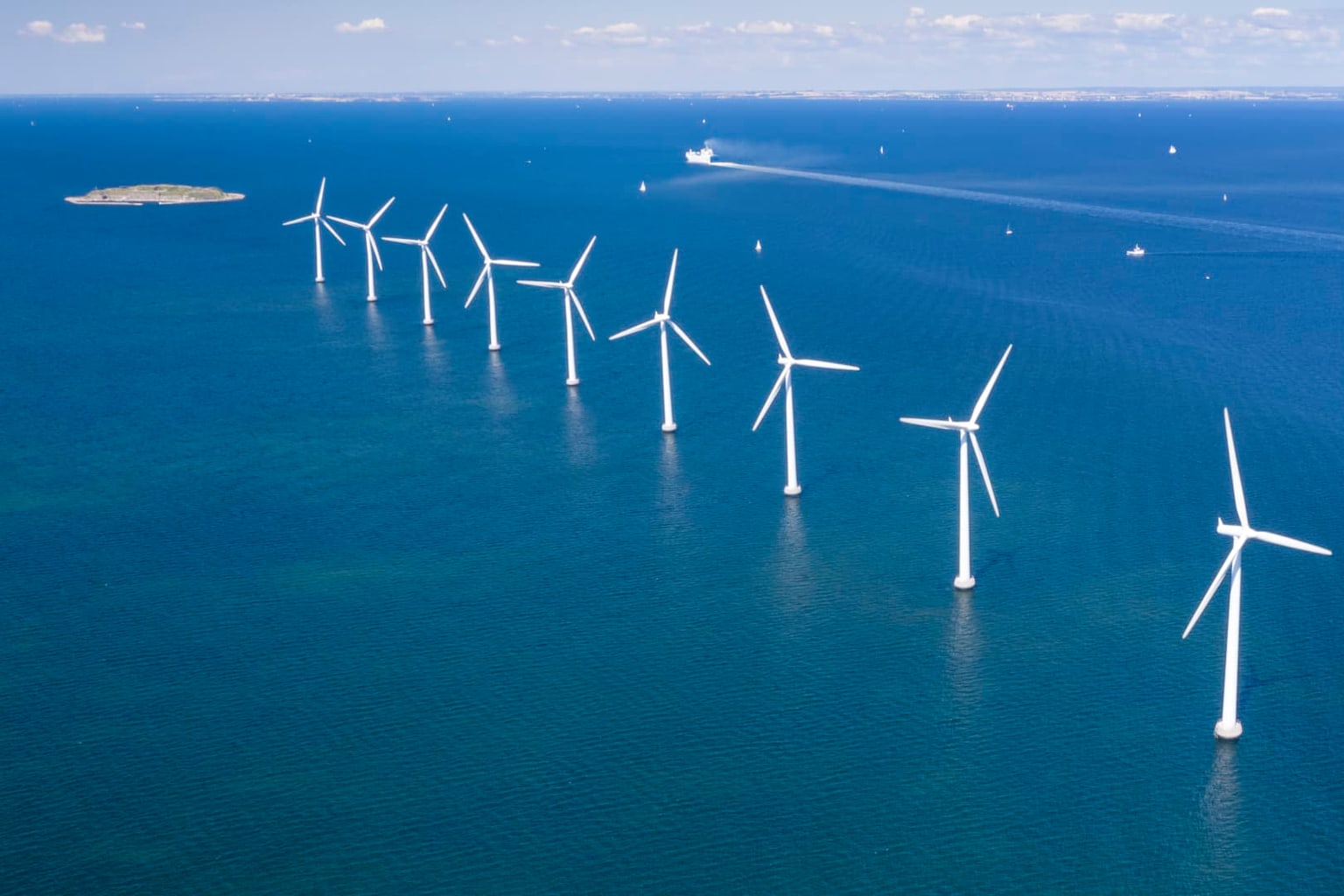
The conflict has added fresh urgency to a renewable energy transition already underway in Europe following the disruption to natural gas supplies caused by Russia's invasion of Ukraine. Europe installed 8.8 gigawatts of new wind power capacity in the first half of 2026, a 30% increase over the same period last year, according to WindEurope. The industry group now expects the continent to add 24 GW of new capacity by year's end, which would mark a record.reuters+1
Germany led the way, accounting for 3.4 GW of new wind installations and setting a record with renewable sources covering 58% of electricity consumption in the first half of the year, up from 55.8% a year earlier, according to Reuters. In the United Kingdom, wind-generated electricity rose 31% year-over-year in the first quarter, with wind power reaching a 42% share of total generation.reuters+3
The European Investment Bank has said the clean energy transition can reduce Europe's dependence on energy imports and strengthen the economy's resilience to global energy shocks. Rising energy prices have also spurred consumer interest in rooftop solar across the continent as households seek to insulate themselves from market volatility.aa+1
In Asia, where many economies are heavily dependent on energy imports, the war has elevated the strategic importance of energy storage alongside solar and wind expansion. India's energy storage requirement is projected to reach 411 gigawatt-hours by fiscal year 2032, up from roughly 54 GWh of operational capacity as of June 2026, according to a CareEdge Ratings report. The National Electricity Plan envisions 73.9 GW of storage capacity by that date, comprising battery systems and pumped storage plants.energy.economictimes.indiatimes+2
A University of Queensland report published last week estimated around 100 GW of battery storage deployment across the Asia-Pacific by 2030, in addition to approximately 160 GW in China. The Philippines is targeting an additional 25 GW of renewable energy capacity by 2035, while South Korea aims for 100 GW by 2030.news.uq+1
The developments point to a broader realignment in how governments frame renewable energy — no longer solely as a climate measure but as a pillar of national security. As Anadolu Agency reported, renewable energy investments are "increasingly being linked not only to emissions reductions and climate goals, but also to energy security, reduced dependence on external supplies and greater resilience to price volatility".aa