Newsletter Subscribe
Enter your email address below and subscribe to our newsletter
[forminator_form id="25163"]

All voices matter
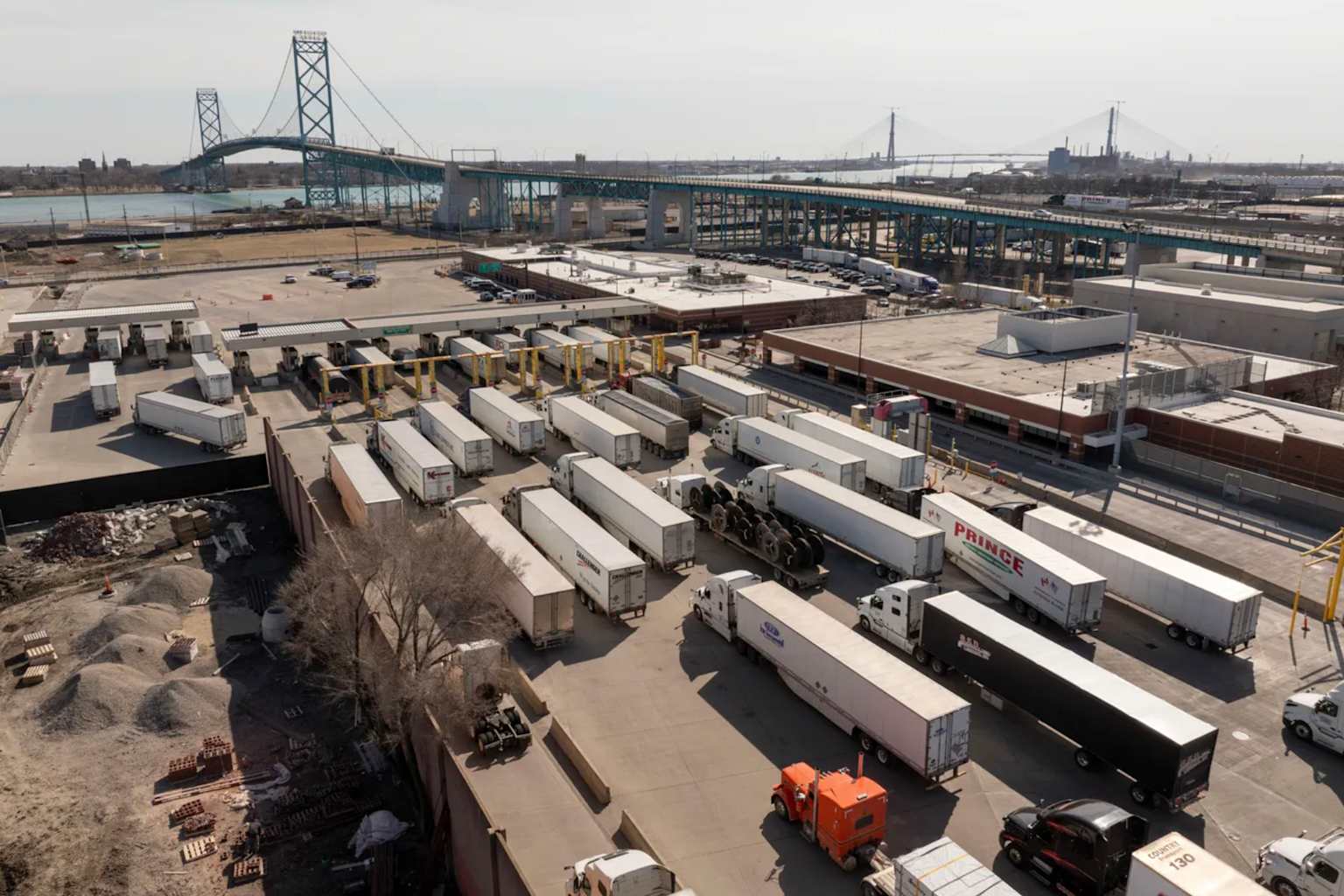
apnews+1cbc+1apnews+1The United States imposed 50% tariffs on approximately $20 billion worth of Canadian goods early Saturday after weeks of negotiations ended in failure, marking the most aggressive trade action yet between the two largest trading partners and historic allies.
Canadian Prime Minister Mark Carney immediately suspended trade talks and vowed to match the tariffs "dollar for dollar to protect our workers and businesses," directing his negotiating team to return to Ottawa. The breakdown came just days after both sides had signaled a deal was within reach, with President Trump declaring earlier this week that the two countries had come to an agreement pending final documentation.apnews+2
U.S. Trade Representative Jamieson Greer blamed Canada for the failure, telling reporters shortly before midnight that "Canada declined to finalize the trade deal under the terms agreed earlier this week. New demands and walk-backs of other commitments by Canada have upended the careful balance reached in the past days".cbc+1
Carney offered a starkly different account, saying "last-minute changes in the U.S. proposed terms were unfair, uneconomic, and called into question the reliability of any deal". Canada had sought concessions on existing 25% tariffs on steel, aluminum, autos, and lumber that the U.S. was unwilling to provide, according to a senior administration official.apnews+2
The tariffs, imposed under Section 338 of the Tariff Act of 1930 — a provision never before used to levy duties — cover about 5% of what Canada ships to the U.S. annually, hitting products ranging from hockey sticks and wine to plywood and electrical equipment. Energy, critical minerals, and potash were exempted.nbcnews+2
No further talks have been planned. The collapse represents an unprecedented rupture between countries that exchanged $880 billion in goods and services last year and share a 5,525-mile undefended border.npr+1
Candace Laing, president of the Canadian Chamber of Commerce, called the tariffs "a body blow to North American competitiveness". Ryan Majerus, a partner at King & Spalding and former U.S. trade official, warned that "both sides will be under immense pressure in the coming days to still find an off-ramp. But if Canada has agreed to also impose tariffs, the off-ramp may be even harder to find".apnews+1
The escalation casts doubt on the future of the U.S.-Mexico-Canada Agreement, the trade pact Trump negotiated during his first term. Formal renewal talks with Canada have not begun, and Barry Appleton, a senior fellow at New York Law School's Center for International Law, noted that both governments have now publicly committed to positions from which retreat will be difficult: "Both sides have now committed themselves in public, which is how escalation stops being a choice".npr