Newsletter Subscribe
Enter your email address below and subscribe to our newsletter
[forminator_form id="25163"]

All voices matter
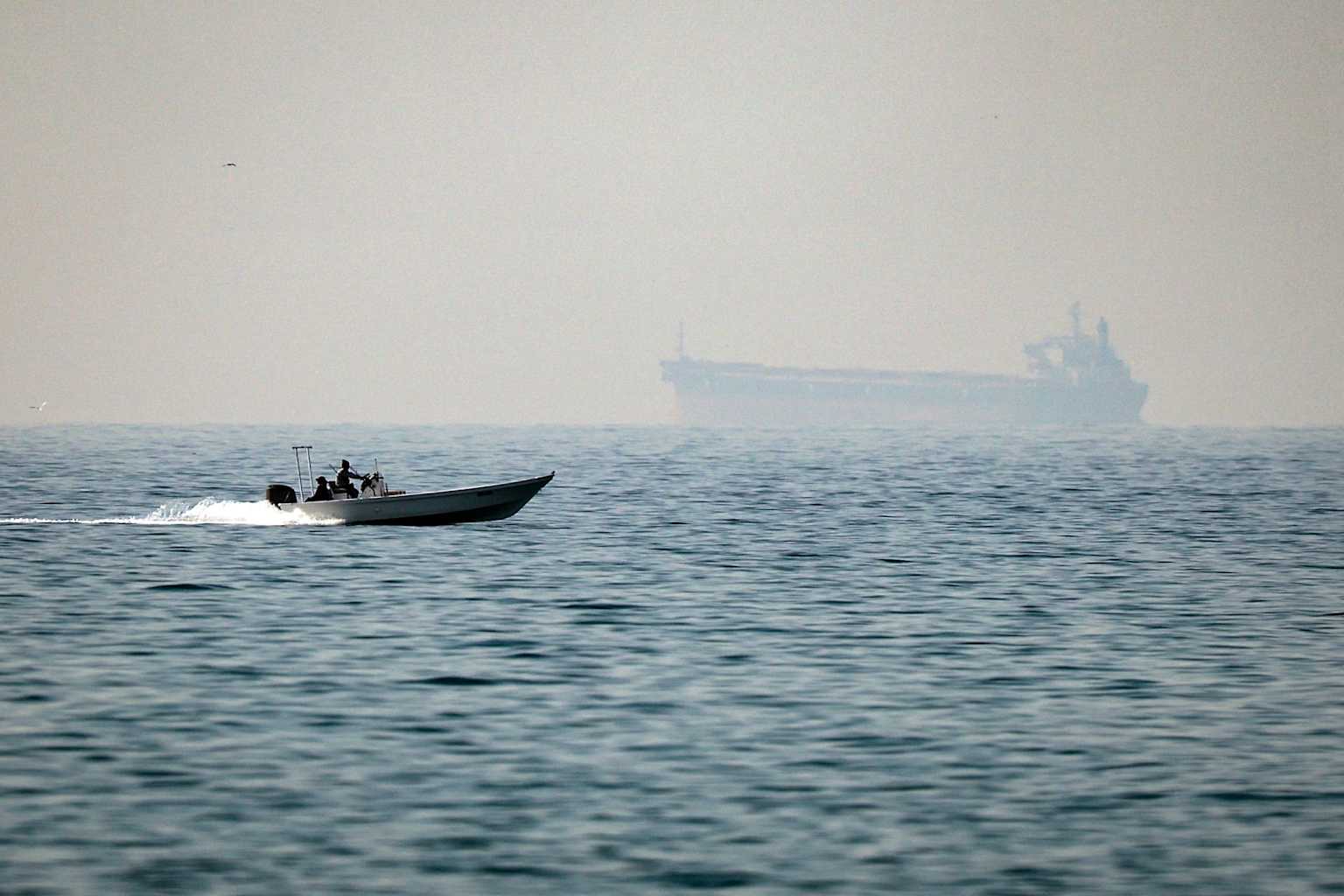
apnews+1apnewsapnewsIran and Oman agreed on Tuesday to pursue a temporary joint navigation corridor through the Strait of Hormuz and a mine-clearing project in the waterway, marking the most concrete step yet toward reopening the critical passage nearly six months after war shut it down.
Omani Foreign Minister Badr Albusaidi traveled to Tehran for talks with Iranian counterpart Abbas Araghchi, after which the two issued a joint statement outlining a "phased framework" for resuming shipping. The proposed plan includes establishing a temporary joint navigation corridor and implementing a joint mine-clearing project, with technical negotiations to continue toward a permanent corridor and future management arrangements for the strait.apnews+1
Iranian Deputy Foreign Minister Kazem Gharibabadi told state television that the two countries had reached an understanding on a temporary route: traffic into the Persian Gulf from the Gulf of Oman would pass entirely through Iranian waters, while the outbound route would pass partly through Iranian and partly through Omani territorial waters. Iran and Oman would then negotiate over 30 to 60 days toward "a new permanent and sustainable route," he said.whdh
Albusaidi wrote on X after the meeting that he hoped the countries would "soon announce" the temporary corridor.aljazeera
The diplomatic push came amid competing signals. President Trump posted on Truth Social that "all mines have been removed and/or detonated from within the International Waters of the Strait of Hormuz," citing the U.S. Navy and Space Force surveillance. Reuters reported that oil transits through the strait stood at roughly 5 million barrels per day on Monday, down from more than 20 million before the war began on February 28.reuters
The dangers remain acute. An oil tanker was disabled in a strike off Oman's coast on Monday night, according to the British military's United Kingdom Maritime Trade Organization, though all crew were reported safe. It is unknown whether the U.S. will accept the emerging Iran-Oman deal; Trump last week threatened to bomb Oman if it "gets in the way" of American efforts to reopen the strait.apnews
Separately, a Pakistani delegation led by army chief Field Marshal Asim Munir concluded talks in Tehran aimed at reviving the stalled June memorandum of understanding between the U.S. and Iran. Pakistan's Interior Minister Mohsin Naqvi said on X that "significant progress was made" and that discussions focused on restoring the interim peace deal, which expired last week. Iran's semi-official Tasnim news agency reported that Tehran used the Pakistani channel to convey its conditions to Washington, including implementation of Article 5 of the memorandum covering Hormuz arrangements.thehill+1