Newsletter Subscribe
Enter your email address below and subscribe to our newsletter
[forminator_form id="25163"]

All voices matter
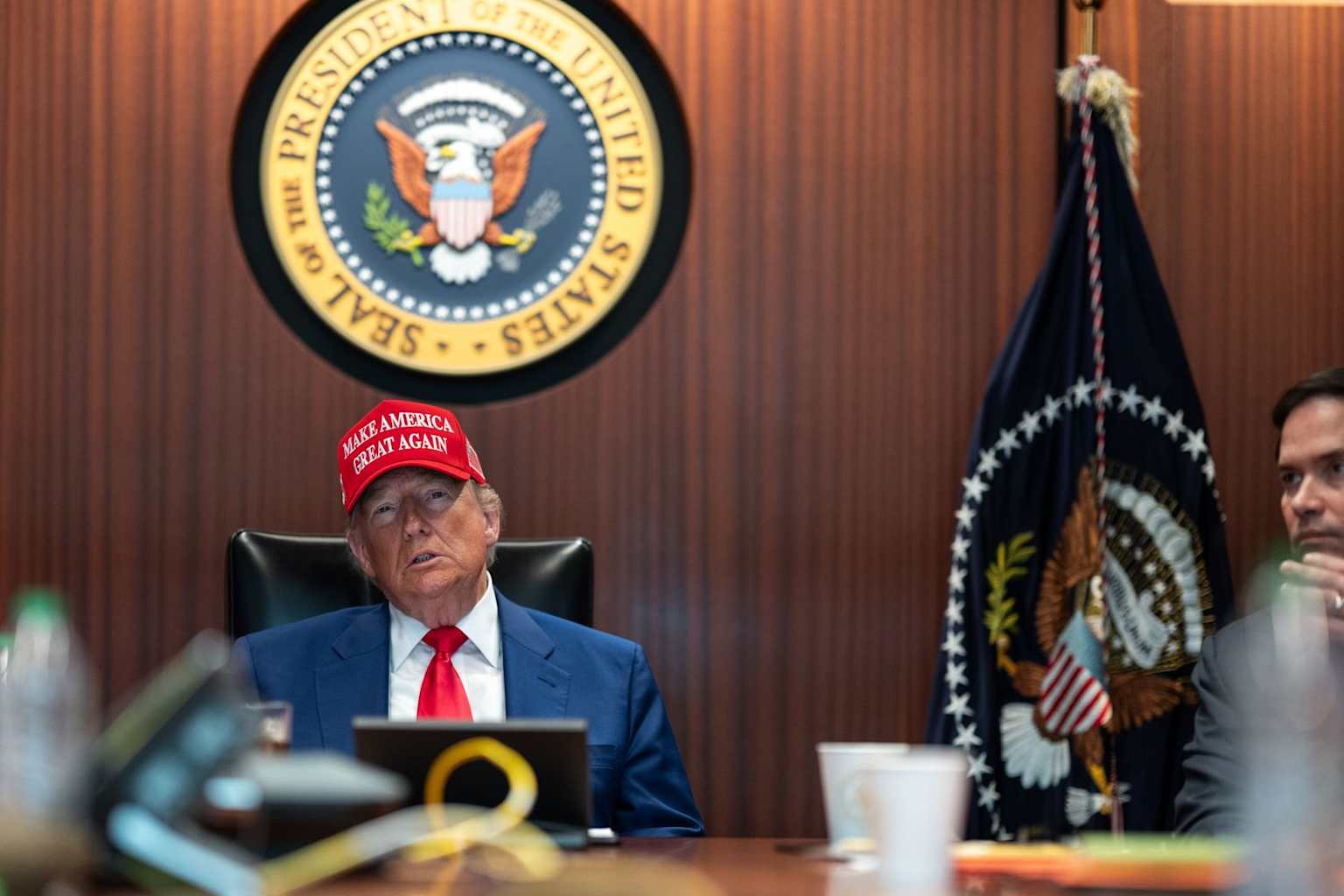
qatar-tribune+1al-monitorreuters+1President Donald Trump told Axios on Thursday that he is "considering a massive attack" on Iran, warning that Tehran has not "received enough pain yet," in a sharp escalation of rhetoric that came as Congress remained divided over the war and hopes for a negotiated end to the nearly five-month conflict dimmed further.qatar-tribune+1
"I am considering a massive attack. Bigger than ever before. I am close to making a decision. We are all set for it," Trump said in the interview, adding that Israel "would join in two minutes if I ask them to." The comments came after 12 consecutive nights of U.S. military strikes against Iran.youtube+1
Hours before Trump's remarks became public, the House narrowly passed a war powers resolution for the second time this year, voting 214-208 to direct the president to halt military action unless Congress authorizes it. Four Republicans joined Democrats in supporting the measure, introduced by Representative Pramila Jayapal.apnews+1
But the Senate blocked a similar resolution just hours later, voting 49-47 against advancing its own measure — the 12th failed attempt by the chamber to curb the president's war powers in Iran. The split decision underscored the political tension over the conflict, which has grown increasingly unpopular.al-monitor+1
The votes came days after Defense Secretary Pete Hegseth told lawmakers the war has cost an estimated $37.5 billion so far, an increase of nearly $8 billion since the last public estimate in May, according to Reuters . Hegseth requested an additional $67 billion to sustain operations in the Middle East.aljazeera+2
As of July 20, at least 17 U.S. service members have been killed and more than 420 wounded in the conflict, which began on February 28 when the U.S. and Israel launched strikes on Iran. A U.S. service member remains missing after an attack on a base in Jordan.aljazeera
Trump's threat of renewed large-scale military action follows months of failed diplomacy. A memorandum of understanding signed in June established a 60-day framework for negotiations, but the two sides have clashed over Iran's nuclear program, control of the Strait of Hormuz, and the lifting of sanctions. U.S. officials have insisted that nuclear issues, including the removal of Iran's enriched uranium, must be addressed from the outset of any final deal — a demand Tehran has resisted, seeking to defer nuclear discussions until after the war ends.axios+3
Trump declared the ceasefire "over" earlier this month, and Iran has rejected returning to talks without preconditions being met. With Congress heading into summer recess and no negotiations scheduled, the prospect of a further military escalation looms.youtube+1