Newsletter Subscribe
Enter your email address below and subscribe to our newsletter
[forminator_form id="25163"]

All voices matter
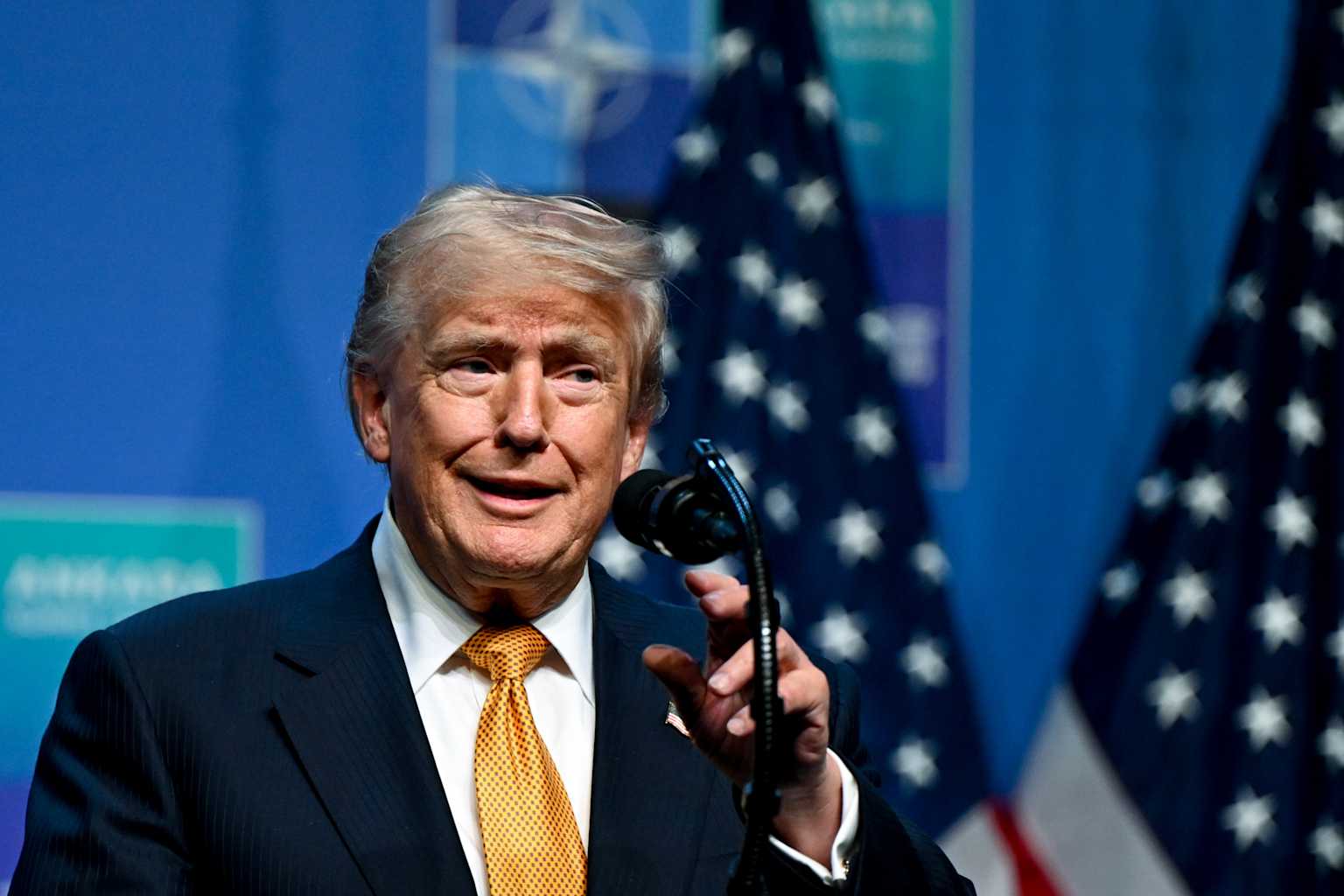
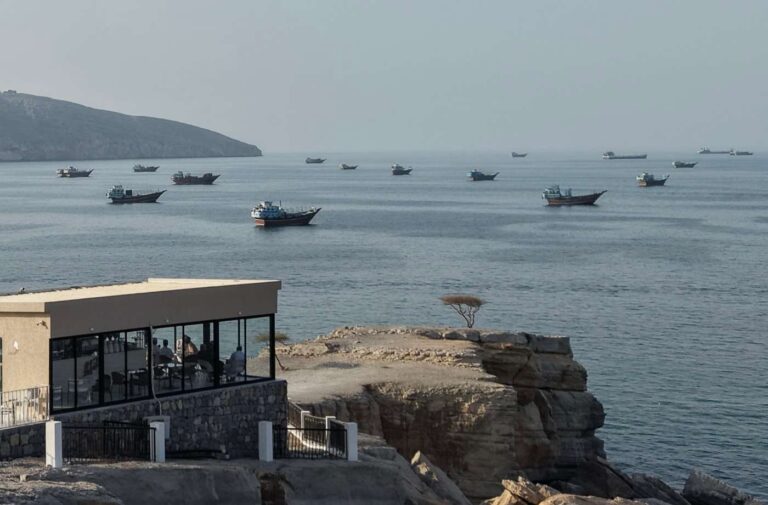
AxiosJust Security+1Just SecurityPresident Trump told Axios on Thursday that he is weighing a major escalation of the U.S. military campaign against Iran, stating he is "close" to ordering strikes far broader than the ongoing operations around the Strait of Hormuz. The remarks come as oil prices approach $100 a barrel and the conflict enters its 17th consecutive day of intensified hostilities.
Trump said Israel "would join in two minutes" if asked, though no final decision has been issued and no new military orders beyond the current campaign have been confirmed. The White House declined to comment.
The president's comments follow more than two weeks of escalating U.S. strikes that began on July 7, when Iran attacked commercial vessels in the Strait of Hormuz. Since then, U.S. Central Command has conducted nightly bombing runs targeting Iranian air defenses, coastal radar, missile sites, drone storage facilities, and naval assets across southern, western, and central Iran.CNBC+3
On July 14, Trump convened his top national security team in the White House Situation Room to discuss plans for "devastating strikes on strategic targets in Iran" that would go beyond the current Hormuz-focused campaign, Axios reported, citing three sources. Vice President JD Vance, Secretary of State Marco Rubio, Defense Secretary Pete Hegseth, CIA Director John Ratcliffe, and Middle East envoy Steve Witkoff attended the meeting.Axios
Trump warned on July 21 that for each Iranian attack on a ship in the Strait of Hormuz, the United States would "bomb and destroy one bridge or power plant". The U.S. military has also struck targets at the Parchin Military Complex near Tehran, which Iran uses to produce advanced munitions and which Western intelligence links to nuclear weapons research.Critical Threats+1
Brent crude rose to $93.74 on July 22 and was trading as high as $100.97 on July 23, with prices gaining roughly $13 over the past week alone. The surge follows a period earlier in July when prices had fallen back toward pre-war levels near $70 a barrel before the latest escalation.TRADING ECONOMICS+3
The conflict's reach has expanded beyond Iran's borders. Iran has fired on U.S. bases in Kuwait, Jordan, Bahrain, and Qatar, struck Saudi Arabia's King Abdulaziz Air Base, and the Houthis imposed a naval blockade on Saudi ports on July 20, attacking two Saudi oil tankers in the Red Sea on July 22. The European Union Naval Force warned commercial vessels with links to the United States, Israel, and Saudi Arabia against sailing in the Red Sea and Gulf of Aden.Just Security+2
The fighting has unraveled a memorandum of understanding signed June 17 that was meant to end the war launched by the U.S. and Israel on February 28. Trump declared the ceasefire "over" on July 8 after Iran attacked ships attempting to transit the strait. House Republicans last week approved $73 billion in new funding for the Iran war as part of a $95 billion budget package.npr+4
Iran, for its part, has expanded trade with Pakistan to mitigate the effects of the U.S. naval blockade and continues to insist on control over the strait. Tehran says U.S. coastal attacks "will not break its grip" on the waterway.Reuters+1