


Newsletter Subscribe
Enter your email address below and subscribe to our newsletter
[forminator_form id="25163"]

All voices matter
wsj.cnbc.cnbc+1.U.S. Treasury yields fell back on Thursday, Oct. 8, a day after the benchmark 10-year note reached its highest level since 2002. A long-term debt auction drew steady demand, the Treasury ran a buyback, and a senior adviser to Treasury Secretary Scott Bessent said yields have "room to come down."
On Wednesday, Oct. 7, the 10-year yield touched an intraday high of 5.368% before settling near 5.29% after a strong auction. The 30-year yield also hit a 24-year high. On Thursday, the 10-year yield fell 0.049 percentage point and the 30-year yield fell 0.055 point to 5.606%, after the two climbed to 5.353% and 5.7315% earlier in the session, The Wall Street Journal News Corp reported. The 2-year yield edged down to 4.753%.wsj+1
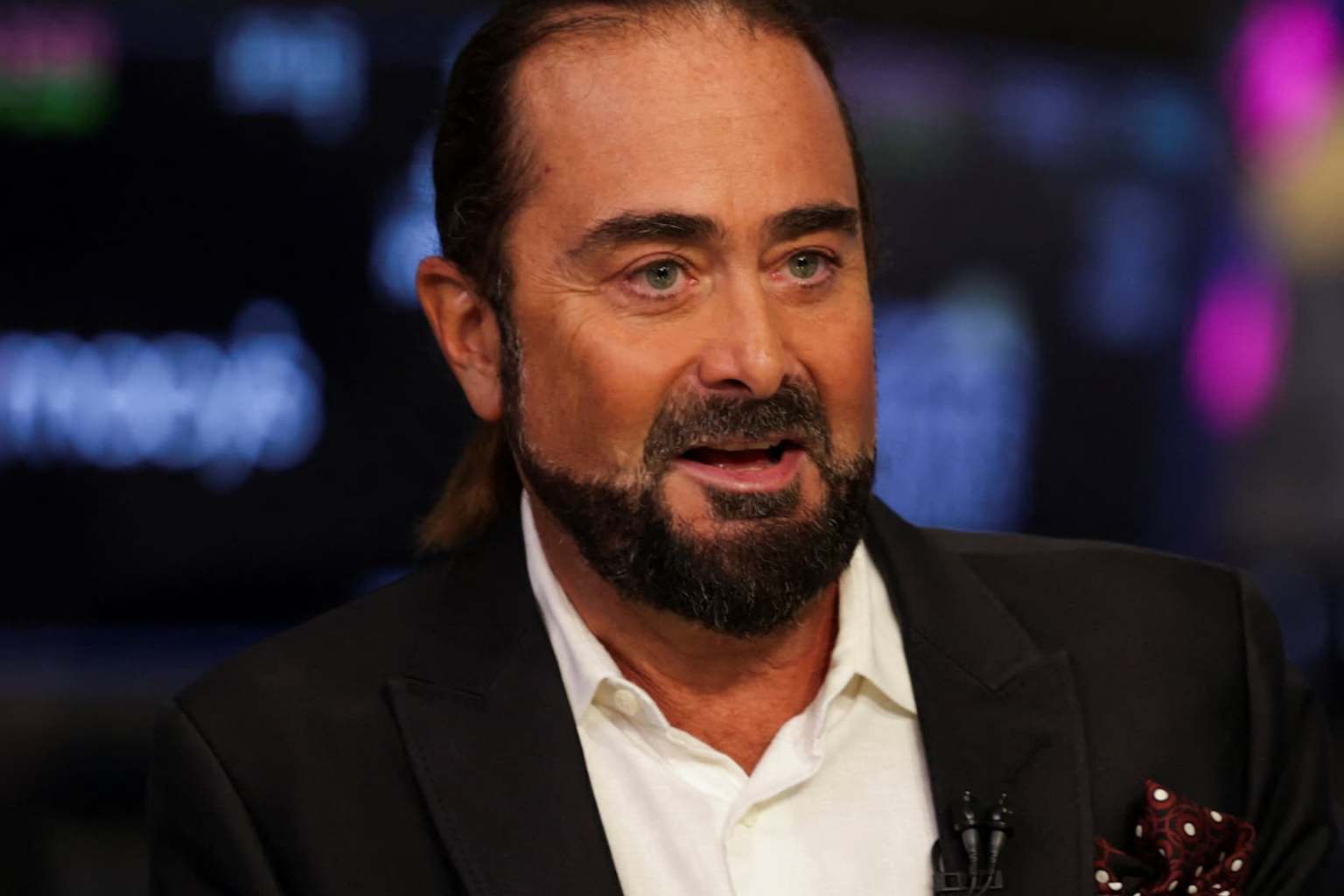
"These real yields are really, really high by any historic standard, so I think we have some room to come down in the future," David Zervos, a counselor to Bessent, said Thursday on CNBC's "Power Lunch". He described the rise as "not a U.S.-specific phenomenon" and pointed to similar moves in Germany, France, Italy and Japan. He said yields should ease once the energy shock from the U.S. war with Iran is resolved. Brent crude rose about 38% between the start of the conflict and Wednesday. "We're just going to have to live with that for a short period of time," he said.cnbc
Zervos also tied part of the pressure on yields to corporate spending on artificial intelligence, but he called that investment a positive for the economy. The Federal Reserve raised rates last month for the first time in three years. CME's FedWatch tool shows traders putting the chance of another hike in December at more than 82%.cnbc
Rising yields weighed on stocks Wednesday. The Dow Jones Industrial Average fell 0.66%, and the S&P 500 and Nasdaq Composite each lost 0.22%. Higher borrowing costs have also cut demand for mortgages.english.news+1
Wall Street strategists disagree on where yields go next. Goldman Sachs The Goldman Sachs Group, Inc. expects the 10-year yield to fall to 4.75% by year-end. Bank of America's official forecast is 5%, though its rates strategist Mark Cabana said "the risks are skewed to yields going higher rather than lower." Barclays raised its forecast for the third quarter of 2027 to 5.25% and said the 30-year yield could reach 6%. Citigroup's Michael Chang described the market as being in a "mini-buyer strike," with too few investors willing to buy government bonds at current prices.news.sbs


