


Newsletter Subscribe
Enter your email address below and subscribe to our newsletter
[forminator_form id="25163"]

All voices matter
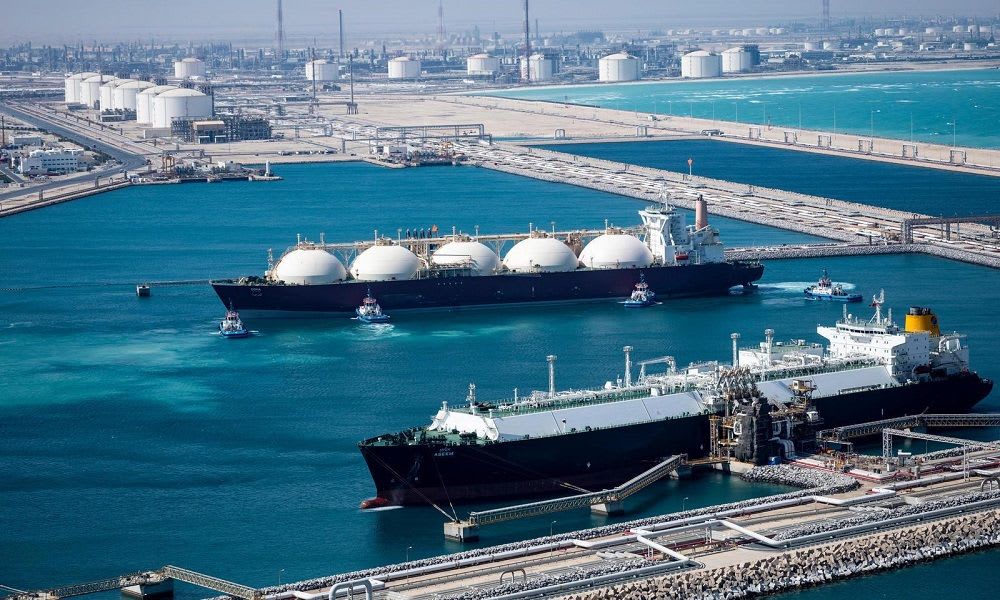
usnews.iea.semafor.Liquefied natural gas exports from the Middle East fell about 47% from a year earlier in the first half of 2026, and crude oil exports from the region dropped about 24%, the World Trade Organization said Thursday in its latest global trade outlook. Supplies from other countries made up much of the gap. Global LNG shipments fell only about 1% and world crude exports about 6%, the WTO said.tass+2
The figures show how much the Middle East conflict has disrupted energy flows. They also show how quickly other producers moved in to fill the gap.
"It is estimated that exports of liquefied natural gas from the Middle East fell around 47% in the first half of this year, even though global shipments of LNG only declined minimally, by around -1%," the WTO said, according to Russia's state news agency TASS. The organization said higher output from Malaysia, Norway and Angola softened the energy shock.tass
For crude oil, the WTO said that "other suppliers (including the United States, Norway and Brazil) increased their production and shipments of crude oil, resulting in a global decline in exports of these products of around 6%".tass
Much of the loss comes from disruption to shipping through the Strait of Hormuz. The International Energy Agency has said that about 93% of Qatar's LNG exports and 96% of the United Arab Emirates' passed through the strait. Together, those flows made up almost one-fifth of global LNG trade. According to the IEA, the disruption has cut LNG supplies from the two countries by more than 300 million cubic meters per day since March 1.iea
Despite the energy losses, the WTO raised its forecast for growth in global merchandise trade this year to 3.9%. Goods related to artificial intelligence, such as semiconductors and servers, accounted for 47% of trade growth in the first half of the year. The WTO said trade in those products rose 67% year on year. AI-related goods make up only about 15% of total trade, Semafor reported.semafor+1
According to Semafor, the WTO's chief economist said trade has been "shaped by two opposing forces: a Middle East conflict affecting services as much as goods, and an exceptionally strong wave of investment in AI infrastructure." The economist added: "So far, the second force has outweighed the first".semafor
The WTO projected global GDP growth of 2.6% this year and 2.9% in 2027. It warned that the conflict will continue to weigh on trade through higher energy prices and disrupted transport routes. This is a more positive view than in the spring. In April, the organization warned that if oil and LNG prices stayed high throughout 2026, merchandise trade growth could slow to just 1.4%.wjtv+1


