



Newsletter Subscribe
Enter your email address below and subscribe to our newsletter
[forminator_form id="25163"]

All voices matter

The 10-year U.S. Treasury yield stayed below 5% on Friday, Oct. 23. A day earlier, a sell-off in artificial intelligence stocks had sent investors into government bonds. The benchmark yield fell under that level on Thursday for the first time…

The dollar slipped from an 18-month peak on Thursday, October 15. Cautious comments from Federal Reserve officials and a drop in Treasury yields led traders to cut back their bets on an October rate hike, even after a hotter-than-expected inflation…

The yield on the benchmark 10-year US Treasury could reach 6% for the first time since 2000, according to Daniel Ivascyn, chief investment officer of bond manager Pimco. He told the Financial Times that after weeks of heavy selling in…

The benchmark 10-year US Treasury yield could climb to 6% for the first time since 2000, Pimco Chief Investment Officer Dan Ivascyn told the Financial Times. He pointed to high oil prices that are feeding inflation fears and to growing…

U.S. Treasury yields fell back on Thursday, Oct. 8, a day after the benchmark 10-year note reached its highest level since 2002. A long-term debt auction drew steady demand, the Treasury ran a buyback, and a senior adviser to Treasury…
The 10-year US Treasury yield held near 5.26% early Monday, staying close to its highest levels in nearly two decades. Investors are still pricing in heavy government borrowing and falling foreign demand, even after a weak jobs report eased fears…

The 10-year U.S. Treasury yield rose as high as 5.342% on Thursday, Oct. 1. It passed its 2007 peak and reached its highest level since early 2002, Reuters reported. The move came as a global sell-off in government debt sent…
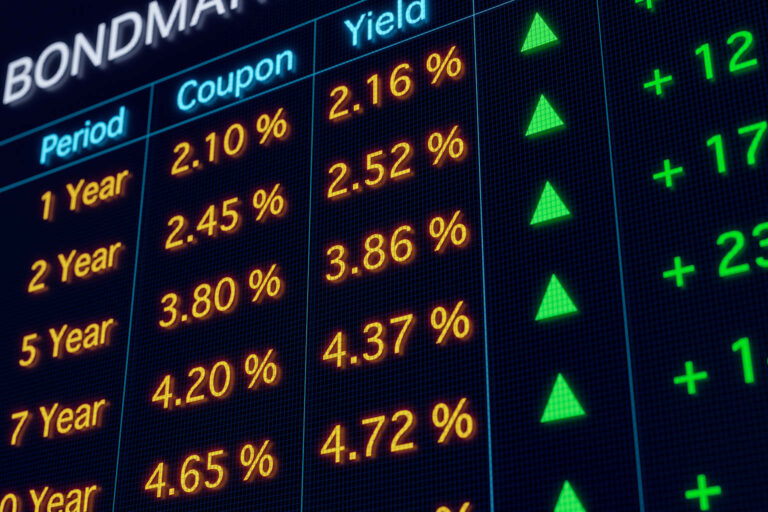
A global selloff in government bonds pushed the 10-year US Treasury yield as high as 5.34% on Thursday, its highest level since 2002. The move followed the benchmark's largest quarterly rise this century. Bond markets steadied on Friday, Oct. 2.…

The International Monetary Fund said on Thursday that global bond markets are still working in an orderly way. The statement came after a sharp selloff in government debt pushed borrowing costs around the world to their highest levels in decades.
Fitch Ratings on Tuesday raised its forecast for global economic growth in 2026 by 0.2 percentage points to 2.6%, saying the world economy has held up better than expected despite the energy shock stemming from the conflict in the Middle…
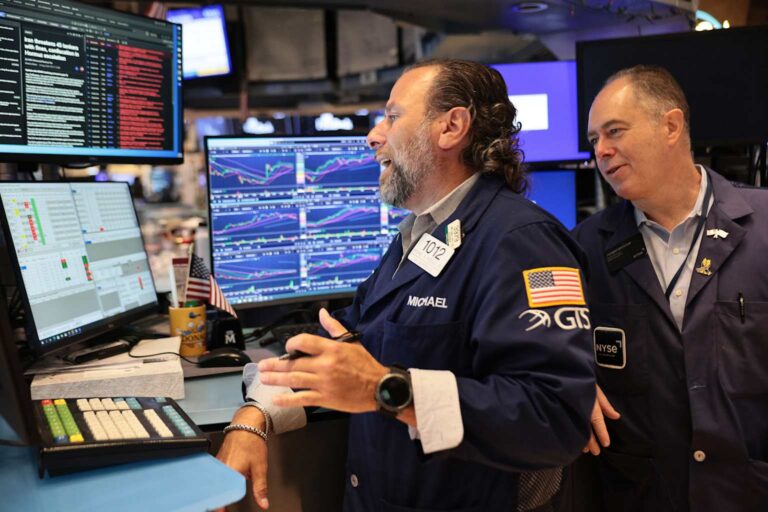
Markets across Asia, Europe, and North America split along fault lines of oil exposure and technology dependence on Tuesday as twin fears over surging crude prices and a potential slowdown in artificial intelligence spending rippled through a second day of…

Treasury Secretary Scott Bessent's effort to tame surging bond yields with an outsized debt buyback fell flat on Wednesday, as yields on U.S. government debt climbed to their highest levels in nearly three years — and kept rising Thursday amid…

The gap between U.S. and Chinese government borrowing costs has widened to its largest level on record, underscoring a stark divergence between the world's two biggest economies as inflation fears grip one and deflationary pressures weigh on the other.

Crude oil prices surged well above $90 per barrel in the first week of September as renewed U.S.-Iran military strikes threatened Middle East supply lines, sending the dollar higher and pushing the 10-year Treasury yield toward 5% in a convergence…

Asian stock markets opened broadly lower on Friday, August 21, tracking a sharp decline on Wall Street as rising bond yields and weak retail data from Walmart dampened risk appetite across the region.
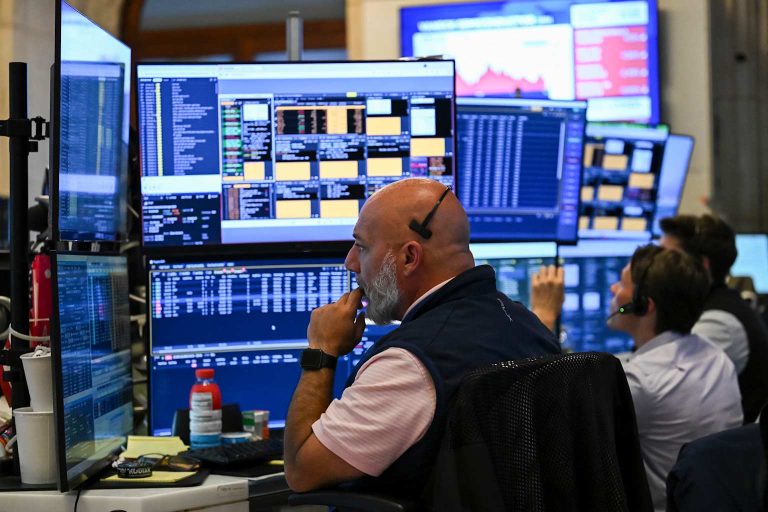
UBS analysts are urging investors to load up on short- and medium-maturity bonds, arguing that the front end of the yield curve offers a compelling income buffer even as long-dated government debt suffers its worst selloff in nearly two decades.

Long-term borrowing costs across the world's largest economies surged to their highest levels in decades on Tuesday, August 18, as fading hopes for a U.S.-Iran peace deal pushed oil prices above $90 a barrel while a flood of AI-related corporate…
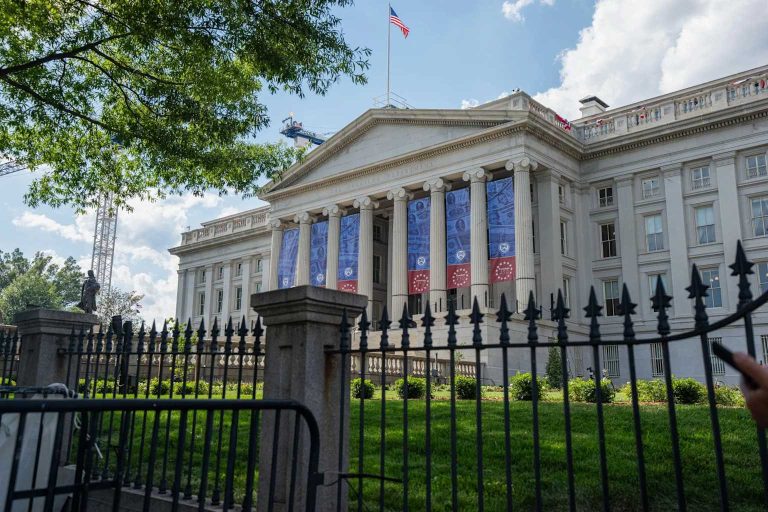
A wave of capital spending tied to artificial intelligence could flood bond markets with new supply and keep fixed-income trading volatile for the foreseeable future, according to a senior executive at Robeco.

A sharp rise in long-term Treasury yields and a renewed surge in oil prices are rattling the corporate debt market for technology companies, exposing vulnerabilities in hundreds of billions of dollars of borrowing tied to artificial intelligence infrastructure.

Bitcoin slid below $65,000 on July 23, extending a cautious retreat from risk assets as an explosion aboard an oil tanker in the Strait of Hormuz sent crude prices above $100 a barrel and revived inflation fears across global markets.

The bond market sell-off deepened on Thursday as Brent crude briefly topped $100 per barrel for the first time since late May, driving U.S. Treasury yields higher and intensifying fears that energy-driven inflation will force the Federal Reserve to raise…