Newsletter Subscribe
Enter your email address below and subscribe to our newsletter
[forminator_form id="25163"]

All voices matter
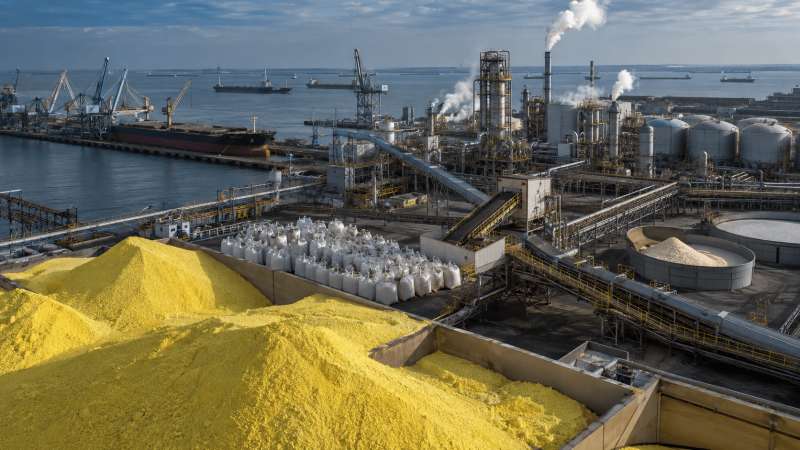
ifpriifpri+2ifpriMore than six months after the closure of the Strait of Hormuz, fertilizer shipments from the Persian Gulf remain largely halted, and a cascading series of supply disruptions is now threatening agricultural production worldwide. A new analysis from the International Food Policy Research Institute published Friday paints a picture of markets under sustained stress, with sulfur emerging as the most acute bottleneck.
Global exports of elemental sulfur fell 33% in the first half of 2026, from 13.5 million metric tons to 9 million, according to the IFPRI analysis. The Gulf region, which had accounted for nearly half of global traded sulfur, saw shipments collapse — with exports from the UAE down 41% and those from Oman, Qatar, and Kuwait each dropping more than 50%.ifpri
The shortage has rippled through the phosphate fertilizer supply chain. Mosaic idled phosphate production at its Uncle Sam and Faustina facilities in Louisiana and reduced output in Florida, citing the reduced availability and high cost of sulfur. The company also implemented temporary curtailments in Brazil. Saudi state-owned mining company Maaden cut its 2026 phosphate production guidance and withdrew its ammonia guidance, pointing to sulfur supply and logistics disruptions.argaam+3
Policy decisions have compounded the supply crunch. Russia extended its ban on industrial sulfur exports through the end of 2026. Kazakhstan suspended sulfur exports in late June after Russia blocked Kazakh sulfur transshipments through its rail network in May. China, the world's largest producer of sulfuric acid, suspended exports in May to protect domestic industries.spglobal+3
The market picture is mixed. Urea prices, which spiked nearly 80% above pre-war levels by late April, had fallen back to January levels by the end of August. China's decision to increase nitrogen fertilizer exports by 47% and a 60% rise in U.S. nitrogen exports helped fill the gap left by Gulf producers.ifpri
Phosphate fertilizer prices, however, rose about 30% after the war began and have remained at those elevated levels since mid-May. Global phosphate exports fell more than 9% in the first half of 2026, with declines not only from Saudi Arabia but also from China, Morocco, and Russia — all constrained by scarce sulfur.ifpri
The disruptions now extend well beyond the Strait of Hormuz. Houthi forces in Yemen seized the coastal city of Mocha and the Red Sea islands of Hanish in early September, tightening their grip on the Bab el-Mandeb Strait, according to Reuters. That chokepoint connects the Red Sea to the Gulf of Aden, and any further restriction would compound shipping costs already elevated by the Hormuz closure.reuters
India's fertilizer subsidy bill may exceed 3 trillion rupees this year, roughly double the budgeted 1.71 trillion. The European Commission established a temporary state aid framework in April allowing member states to cover up to 70% of farmers' additional fertilizer and fuel costs. Brazil's fertilizer industry has requested emergency government subsidies to cover soaring sulfur import costs.bloomberg+1
As commodity intelligence firm Expana warned in a separate analysis Friday, businesses face compounding risks when structural vulnerabilities — such as concentrated supply chains running through a single strait — collide with sudden shocks.businessamlive