



Newsletter Subscribe
Enter your email address below and subscribe to our newsletter
[forminator_form id="25163"]

All voices matter
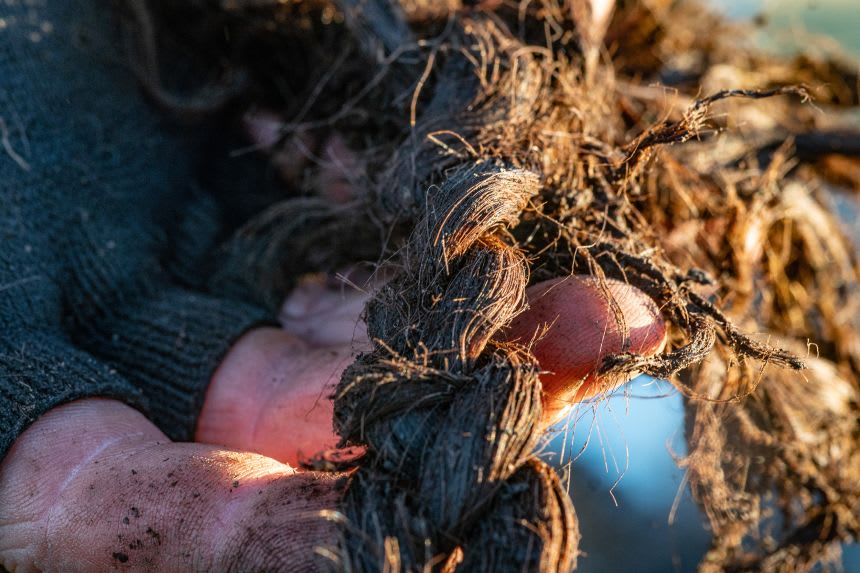
reuters.com.phys.org+1.courant.com+1.Archaeologists say a 2,800-year-old Scythian tomb in southern Siberia holds the oldest direct evidence of people using cannabis to get high. They found more than 1,000 seeds and preserved human hair that carried chemical traces of the drug. The findings were published Thursday in the journal Science. They place psychoactive cannabis use at least 300 years earlier than the previously known use in neighboring China.reuters.com+1
"Our study shows the earliest direct evidence of psychoactive cannabis consumption," said lead author Gino Caspari, an archaeologist at the University of Bern and the Max Planck Institute of Geoanthropology, according to Reuters.reuters.com
The tomb sits at the Tunnug 1 burial mound in the Uyuk Valley, in Russia's Republic of Tyva. The team has been digging there since 2017. Researchers recovered more than 1,000 whole seeds and about 500 partial ones, and radiocarbon dating placed them in the early eighth century B.C.phys.org+2
Seeds alone do not prove drug use, because the plant was also grown for oil and fiber. The hair settled that question for the researchers. Testing found clear signals of cannabinol, a compound that forms when THC oxidizes, along with weaker signals consistent with THC itself. "It is even rarer to find them in combination with human soft tissue like hair, which essentially allows (us) to drug test a person who has been dead for three millennia," Caspari told CNN. The tests cannot show how much was consumed or whether it was inhaled or eaten. Caspari did say that later evidence from the region makes inhalation likely.cnn.com+2
Caspari said the cannabis "has to be seen in a ritual context in the tomb and may be connected to shamanistic beliefs." He told CNN that dozens of sacrificed horses and possible human sacrifices at the site raise the chance that the drug was used to sedate victims, but added, "we cannot prove that." The study itself says the plant could have been a useful agent to calm individuals chosen for the rituals.livescience.com+1
Roger Forshaw of the University of Manchester, who was not involved in the study, said the hair results provide "direct molecular evidence of cannabis use" linked to funeral rites.cnn.com
Not everyone is convinced. Volker Auwaerter, a forensic toxicologist at the University Medical Center in Freiburg, called the hair analysis "scientifically weak." He argued that the data cannot rule out contamination from the hair being buried next to the plant. Caspari acknowledged that German narcotics laws kept the team from buying the reference samples it would have needed to measure exact THC concentrations.courant.com+1
The team is now sequencing DNA from the seeds, which Caspari calls the oldest preserved cannabis DNA. "In the next few years our team will probably rewrite part of the domestication history of cannabis," he said.cnn.com


