Newsletter Subscribe
Enter your email address below and subscribe to our newsletter
[forminator_form id="25163"]

All voices matter
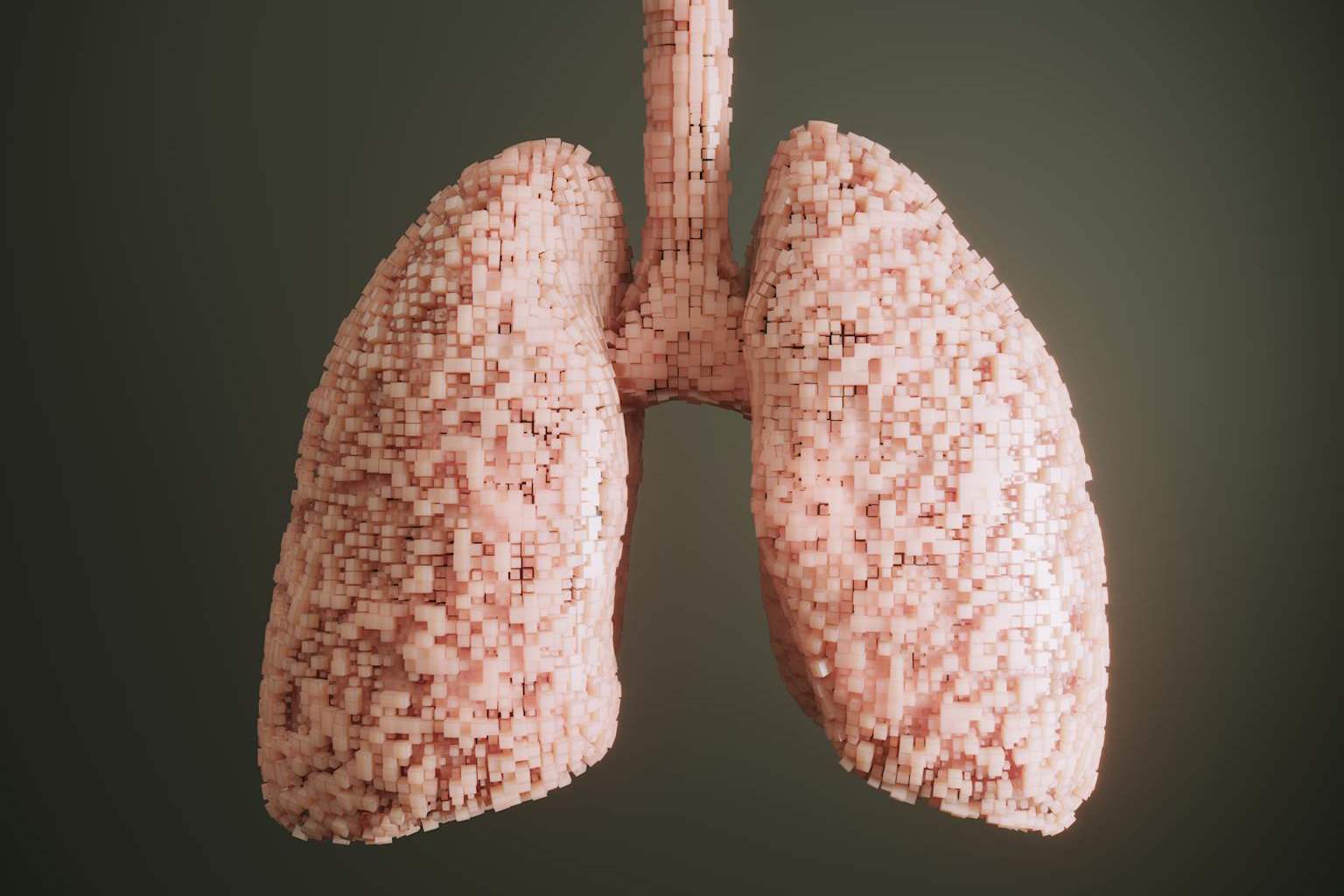
genomeweb+1gsk+1nature+1Researchers at Stanford University have built an artificial intelligence system that mimics an entire drug development company — complete with a chief scientific officer, specialized departments, and tens of thousands of AI employees — and published their findings Thursday in the journal Science.genomeweb+1
The framework, called the Virtual Biotech, deploys up to 37,000 AI agents that work autonomously to tackle the core challenges of drug discovery, from identifying molecular targets to designing clinical trials. The system was developed by James Zou, an associate professor of biomedical data science, and graduate student Harrison Zhang.miragenews
In one demonstration, the team tasked the Virtual Biotech with analyzing more than 55,000 clinical trials. The AI agents found that drugs targeting proteins active in specific cell types were nearly 50% more likely to reach the market compared with other drugs. The agents also identified that drugs targeting genes with switch-like on-off behavior were 40% more likely to advance from phase 1 to phase 2 trials and had 32% fewer adverse events.nature+1
The system, which uses Anthropic's Claude model as its foundation, completed the analysis of those trials in less than a week — a task that would have taken human researchers years, according to Zou.miragenews
To test whether the system could design a viable therapy, the researchers directed the agents to investigate a protein called B7-H3, also known as CD276, as a target for lung cancer. The agents designed an antibody-drug conjugate strategy to target the protein. The agents proposed this design using information available before January 2025. Months later, GSK independently arrived at the same antibody-drug conjugate approach targeting B7-H3, and that therapy received FDA breakthrough therapy designation.gsk+2
"This was really exciting as an independent, third-party validation that's consistent with the effects and the design proposed by the virtual biotech," Zou told Stanford Medicine.med.stanford
Other scientists have cautioned that the Virtual Biotech has not been tested under real-world drug discovery conditions, and its predictions have not been validated through laboratory experiments or clinical trials. Zou acknowledged that humans, physical experimentation, and validation remain essential. "Our next step is to bring the new findings from the virtual biotech into real labs and test how many hold up in the real world," he said.bgnes+2