Newsletter Subscribe
Enter your email address below and subscribe to our newsletter
[forminator_form id="25163"]

All voices matter
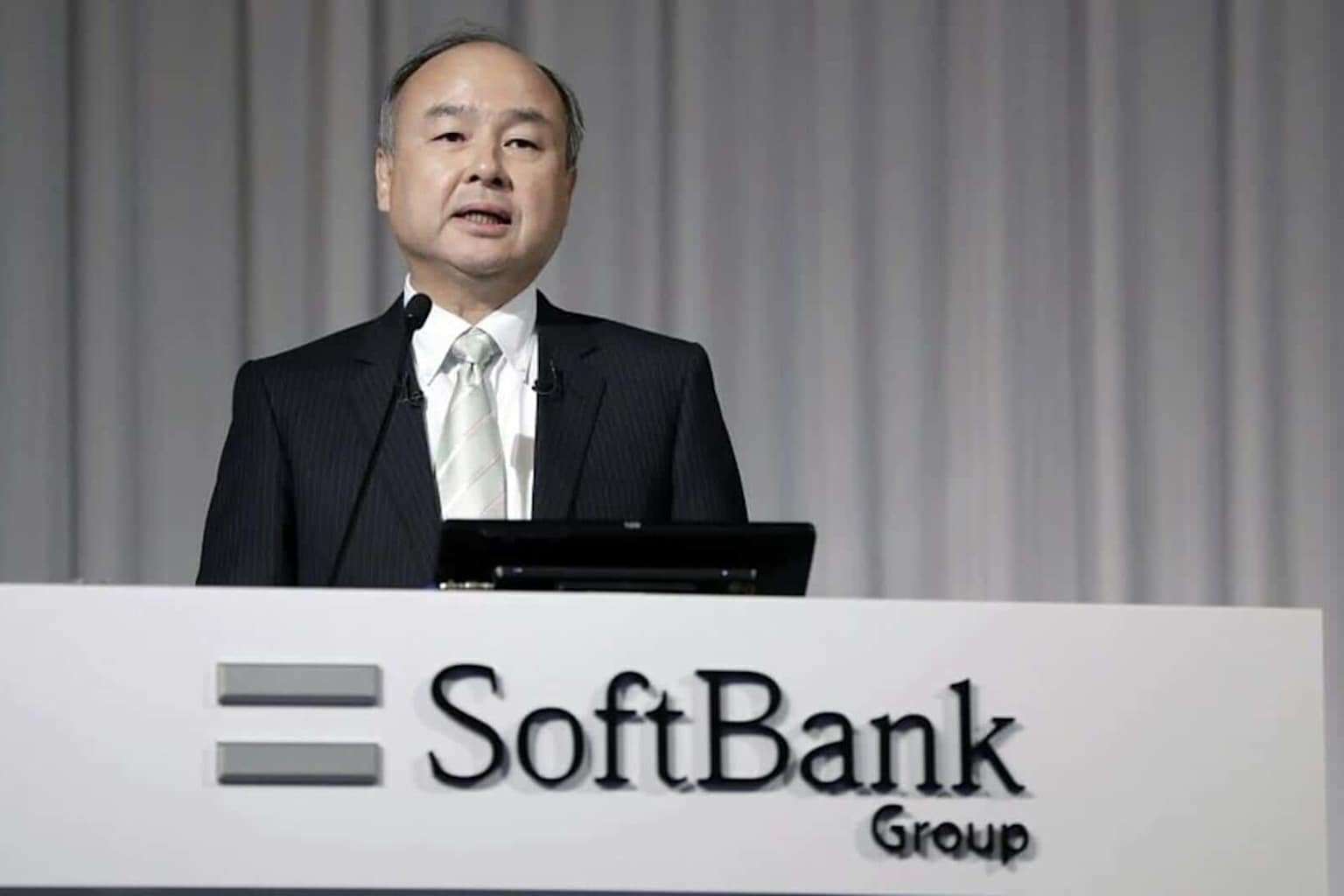
reutersbloomberg+1thenextweb+1Masayoshi Son, the founder of SoftBank Group, has declared nuclear fusion the most realistic long-term energy solution for powering AI data centers, outlining a sweeping vision in which artificial intelligence will require infrastructure investments of $5 trillion per year by 2040.
Speaking on July 13-14, Son predicted that AI data centers will need power generation capacity of 3 terawatts by 2040 — equal to 1.8 times total current global power generation capacity, according to Reuters. While acknowledging that natural gas will provide the bulk of data centers' power needs for the time being, Son said nuclear fusion will ultimately offer the most realistic path forward for meeting AI's enormous electricity demands.bloomberg+3
Son dismissed talk of an AI bubble, arguing instead that AI revenue could reach 20 percent of global GDP by 2040. SoftBank's cumulative investment in OpenAI is set to exceed $60 billion before the end of 2026.reuters+1
Son's fusion comments come amid an unprecedented spending spree on AI infrastructure. In March, SoftBank announced plans to build a 9.2-gigawatt gas-fired power plant in Ohio at a cost of $33.3 billion, explicitly designed to fuel AI data centers. That project is part of a broader $550 billion Japanese investment commitment in the United States.arabnews
In June, Son pledged up to €75 billion to build 3.1 gigawatts of AI data center capacity in France, the company's largest AI infrastructure commitment in Europe. French President Emmanuel Macron has emphasized France's existing nuclear energy base as a draw for such investments.w+1
Nuclear fusion — the process that powers the sun — has long been pursued as a source of virtually limitless clean energy. Unlike nuclear fission, fusion produces no long-lived radioactive waste and carries no risk of meltdown. Yet no fusion reactor has achieved sustained net energy production commercially, and most projections place viable fusion power plants at least a decade away.
Son's endorsement nonetheless reflects growing momentum in the sector, with startups attracting billions in private capital and companies like General Fusion signing commercial deployment agreements in Europe. The scale of AI's energy appetite — which Son framed as exceeding the world's entire current generating capacity — adds urgency to the search for new power sources beyond fossil fuels and conventional nuclear fission.linkedin